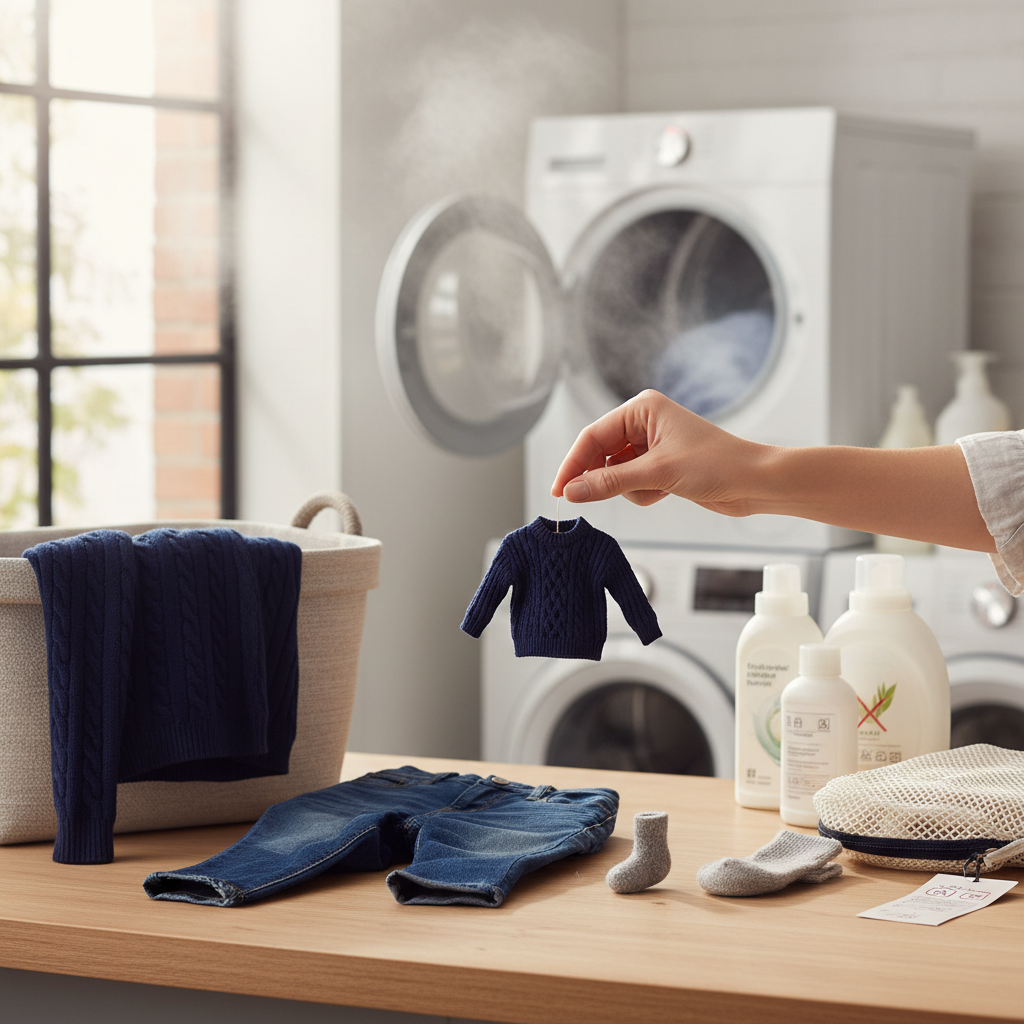
Have you ever pulled your favorite sweater from the dryer, only to find it’s now suitable for a doll? It’s a frustrating, all-too-common laundry mishap that can turn beloved garments into unwearable miniatures. Understanding the common mistakes that shrink your clothes is the first step toward preserving your wardrobe and ensuring your garments maintain their perfect fit and longevity. From incorrect washing temperatures to overly aggressive drying, many culprits contribute to this shrinking phenomenon. This comprehensive guide will unveil these laundry pitfalls and equip you with practical strategies to keep your clothes looking their best, wash after wash.
Understanding Why Clothes Shrink
The science behind shrinking clothes primarily revolves around how fabric fibers react to heat, moisture, and agitation. Natural fibers like cotton, wool, linen, and denim are particularly susceptible because their fibers are naturally stretched and woven during manufacturing. When exposed to heat and water, these fibers relax, contract, and pull closer together, resulting in a reduction in the garment’s size.
Wool, for instance, has scales on its fibers that can lock together when agitated in hot water, leading to severe shrinkage, known as felting. While synthetic fabrics such as polyester or nylon are generally more resistant to shrinkage, they are not entirely immune. Extremely high temperatures can still cause their synthetic polymers to tighten and distort, especially over time. Moisture facilitates this process by allowing fibers to swell and then contract more intensely when heat is applied. The mechanical action of washing and drying further encourages these fibers to tighten, making a shrunken garment often an irreversible outcome without careful intervention.
Common Laundry Mistakes That Lead to Shrinkage
Accidentally shrinking clothes often stems from seemingly minor oversights in our laundry routines. Recognizing these common mistakes is crucial to avoiding them in the future.
Ignoring Fabric Care Labels
|
Our Picks for the Best Clothes dryer in 2026
As an Amazon Associate I earn from qualifying purchases.
|
||
| Num | Product | Action |
|---|---|---|
| 1 | Portable Clothes Dryer, 900W Fast Drying & Large Load Capacity for Laundry and Shoes - Compact Mini Dryer Machine for Travel, Apartments, RV, Dorm Blue |

|
| 2 | Drying Rack Clothing, 3-Tier Clothes Drying Rack Foldable, Antirust Laundry Drying Rack Collapsible Use for Indoor & Outdoor, 11.8" D x 34.6" W x 35.4" H, White |
|
| 3 | Sakugi Clothes Drying Rack, Foldable 2-Level Laundry Drying Rack with Height-Adjustable Wings, for Clothing & Bedding, Free-Standing Space-Saving Rack, Indoor & Outdoor, 55.5" L × 22.8" W, Gray |
|
| 4 | Euhomy Dryer, 3.5 Cu. Ft. 1500W Clothes Dryer, Stainless Steel Tumble Dryer with Exhaust Hose for Home, Apartment, Dorm, White |
|
| 5 | Amazon Basics Foldable Portable Clothes Drying Rack for Indoor Air Drying, Collapsible Design, 14.5" D x 29.5" W x 41.8" H, White |
|
| 6 | GE PROFILE 7.2 cu. ft. Vented Electric Dryer in White with Auto Dry and Extended Tumble |
|
| 7 | MOJOCO Portable Clothes Dryer - Mini/Compact Dryer for Apartment, RV, Travel - Small Quiet Fast-Drying Machine with Adjustable Timer & Hassle-Free Setup |
|
| 8 | BLACK+DECKER BCED37 Compact Dryer for Standard Wall Outlet, Small, 4 Modes, Load Volume 13.2 lbs., White |
|
| 9 | Kenmore 7.0 cu. ft. Front Load Electric Dryer - with Guard to Reduce Wrinkles & Static - Smart Sensor Drying - LED - White |
|
| 10 | HOMIDEC Clothes Drying Rack, Oversized 4-Tier(67.7" High) Foldable Stainless Steel Drying Rack Clothing, Movable Drying Rack with 4 castors, 24 Drying Poles and 14 Hooks for Bed Linen, Clothing, Grey |
|
The care label sewn into every garment is your garment’s instruction manual. It provides vital information on recommended washing temperatures, drying methods, and any specific precautions needed for the fabric. Overlooking these symbols and instructions is arguably the most frequent mistake, as it leads to inappropriate treatment that can easily cause shrinkage. A “hand wash only” item accidentally put into a hot wash and tumble dryer is a classic example of this oversight resulting in immediate and significant shrinkage.
Washing with Hot Water
Many believe hot water is essential for a thorough clean, but for most garments, it’s a direct route to shrinkage. Hot water causes natural fibers, particularly cotton, to contract significantly. While effective for sterilizing certain items like towels or bedding, using high temperatures for everyday wear can be detrimental. Even some synthetic blends can be affected by excessive heat in the wash, causing them to lose their shape and original size. Cold water, conversely, is far gentler on fibers and dramatically reduces the risk of contraction.
Using Aggressive Wash Cycles
The washing machine’s agitation during a harsh cycle, combined with water temperature, can significantly contribute to shrinkage, especially for delicate fabrics. Vigorous spinning and tumbling can cause fibers to tighten and distort, altering the garment’s structure. For fabrics like wool or delicate knits, a robust wash cycle can lead to irreparable damage and noticeable shrinkage, even if the water temperature isn’t excessively hot. Opting for gentle or delicate cycles minimizes this physical stress on the fabric.
Overloading the Washer or Dryer
Stuffing too many clothes into your washer or dryer can seem like an efficient use of time, but it’s a common mistake that encourages shrinkage. In a crowded washer, clothes don’t get thoroughly cleaned, and agitation can become uneven and more aggressive. In a dryer, overloading prevents even heat distribution, leading to some items being over-dried while others remain damp. This prolonged and uneven exposure to heat, coupled with restricted tumbling, increases the likelihood of fibers contracting and garments shrinking.
Drying on High Heat Settings
The dryer is often the primary culprit for permanent shrinkage. High heat settings are incredibly effective at causing fibers to contract and tighten. This is particularly true for natural fibers like cotton, which can shrink by a noticeable percentage after just one hot dryer cycle. While convenient, the intense heat can “set” the shrunken state of the fibers, making it challenging, if not impossible, to restore the garment to its original size. Choosing lower heat settings or alternatives is critical here.
Over-drying Clothes
Even if you use a moderate heat setting, leaving clothes in the dryer for too long can still lead to shrinkage. Over-drying exposes fabrics to prolonged heat, stressing the fibers and increasing their tendency to contract. It also makes clothes more brittle and reduces their lifespan. Removing garments when they are just dry, or even slightly damp, and then air-drying them can prevent this unnecessary exposure and help preserve their size and fabric integrity.
Not Sorting Laundry Correctly
Mixing different fabric types with varying care requirements is another common error. Delicates that need low heat and gentle cycles might end up in a hot wash and high-heat dry alongside sturdy cottons, leading to shrinkage or damage. Sorting clothes not only by color but also by fabric type and recommended care instructions ensures each garment receives the appropriate treatment, minimizing risks like accidental shrinkage.
Neglecting Your Dryer’s Lint Filter
A clogged lint filter impedes airflow in your dryer, causing the machine to work harder and generate excessive heat. This buildup of heat can contribute to over-drying and, consequently, shrinkage. Regularly cleaning your dryer’s lint filter is a simple yet crucial maintenance step that ensures efficient drying and helps protect your clothes from heat-induced shrinkage, while also being an important fire safety measure.
Proactive Steps to Keep Your Garments Their True Size
Preventing your clothes from shrinking is largely about adopting mindful laundry habits. By incorporating these proactive measures, you can significantly extend the life and maintain the original fit of your favorite garments.
Always Consult Care Labels
This cannot be stressed enough: read the care labels. Before washing any new garment, take a moment to understand its specific needs. The symbols might seem like hieroglyphs at first, but a quick online search can decipher them. Following these instructions is the most reliable way to prevent unintentional shrinkage and other forms of damage.
Embrace Cold Water Washing
For most of your everyday laundry, cold water is your best friend. It effectively cleans clothes while being gentle on fibers, drastically reducing the risk of shrinkage. Cold water also has the added benefits of preventing color fading and saving energy. Reserve hot water washes only for items explicitly requiring it for sanitation, like heavily soiled towels or certain bed linens.
Opt for Gentle Cycles
Pairing cold water with a gentle or delicate wash cycle provides the safest environment for most of your wardrobe. These cycles minimize agitation, protecting sensitive fibers from the mechanical stress that can lead to contraction. For very delicate items, consider using mesh laundry bags for an extra layer of protection, or even hand-washing if the label recommends it.
Master Your Dryer Settings
When using a tumble dryer, always opt for the lowest heat setting available, or ideally, the “air fluff” or “no heat” option. Many modern dryers also feature specific cycles for different fabric types (e.g., “delicates,” “activewear”) that automatically adjust heat and tumbling to prevent damage and shrinkage. Removing clothes while they are still slightly damp allows them to finish air-drying, further minimizing heat exposure.
Air Drying: The Ultimate Protector
For items most prone to shrinking—think wool sweaters, delicate blouses, or even just your favorite pair of jeans—air drying is the safest method. Hanging clothes on a rack or laying them flat on a clean surface avoids all heat and harsh agitation. This method not only prevents shrinkage but also extends the lifespan of your garments by reducing wear and tear.
Sort Your Laundry Meticulously
Before doing laundry, take the time to sort. Separate darks from lights, but also consider fabric types. Grouping similar fabrics together (e.g., all cottons, all synthetics, all delicates) allows you to choose appropriate wash and dry cycles tailored to their specific needs. This prevents, for example, a delicate silk top from being accidentally subjected to the same aggressive cycle as a sturdy pair of work pants.
Don’t Overload Machines
Ensure there’s enough space for clothes to move freely in both the washer and dryer. This allows for thorough cleaning, even heat distribution, and prevents excessive friction and agitation that can cause fibers to tighten. A good rule of thumb is to fill the machine about three-quarters full, leaving enough room for items to tumble.
What to Do If Your Clothes Have Already Shrunk (A Quick Fix)
While prevention is key, accidents happen. For some natural fibers, especially cotton and certain wools, there’s a chance you might be able to restore them. The common method involves soaking the shrunken garment in lukewarm water mixed with a small amount of hair conditioner or baby shampoo. This helps to relax the fibers. After soaking for about 30 minutes, gently remove the item, carefully squeeze out excess water (do not wring), and lay it flat on a towel. Roll the towel to absorb more moisture, then carefully and slowly stretch the garment back to its original shape. Allow it to air dry completely, ideally laid flat, to avoid further distortion.
“Many people underestimate the power of simply reading a care label. It’s the simplest, yet most effective, defense against laundry disasters like shrinkage. A little attention goes a long way in preserving your clothes.” – Sarah Jenkins, Textile Care Specialist
Conclusion
The frustration of discovering your favorite clothes have shrunk is a common experience, but it’s largely preventable. By understanding the fundamental role that heat, moisture, and agitation play in fabric shrinkage, and by diligently implementing smart laundry habits, you can safeguard your wardrobe. From meticulously reading care labels and opting for cold water washes to mastering your dryer settings and embracing air drying, each thoughtful step contributes to the longevity and perfect fit of your garments. These practices not only save your clothes from premature retirement but also contribute to a more sustainable and cost-effective approach to household care.
What small change will you make to your laundry routine today to prevent future shrinkage?
Frequently Asked Questions
Why do clothes shrink in the dryer more than the washer?
Clothes tend to shrink more significantly and permanently in the dryer primarily due to the intense, sustained heat. While hot water in a washer can initiate fiber contraction, the high temperatures and prolonged exposure in a tumble dryer cause fibers to tighten and lock into their shrunken state, making reversal much more difficult.
Can cold water shrink clothes?
No, washing clothes in cold water is highly unlikely to cause shrinkage. Cold water helps maintain the integrity of fabric fibers, preventing them from contracting. In fact, washing in cold water is one of the most effective strategies to prevent clothes from shrinking and to preserve their original size.
Which fabrics are most prone to shrinking?
Natural fibers are generally most prone to shrinking. These include cotton, wool, linen, rayon, and denim. Wool is particularly sensitive due to its unique fiber structure, which can felt. While synthetics like polyester are more resistant, they can still shrink under very high heat.
How can I tell if a garment is “pre-shrunk”?
A garment label might explicitly state “pre-shrunk” or “sanforized,” indicating that the fabric has undergone a manufacturing process to minimize future shrinkage. However, even pre-shrunk items can still shrink slightly if exposed to extremely high heat or aggressive washing conditions, so careful laundering is still recommended.
Is air drying always the best option for preventing shrinkage?
For items particularly susceptible to shrinkage or those with delicate fabrics, air drying is almost always the safest and best option. It completely eliminates heat and mechanical agitation, which are the primary causes of shrinkage. Air drying also helps to prolong the overall lifespan of your garments.