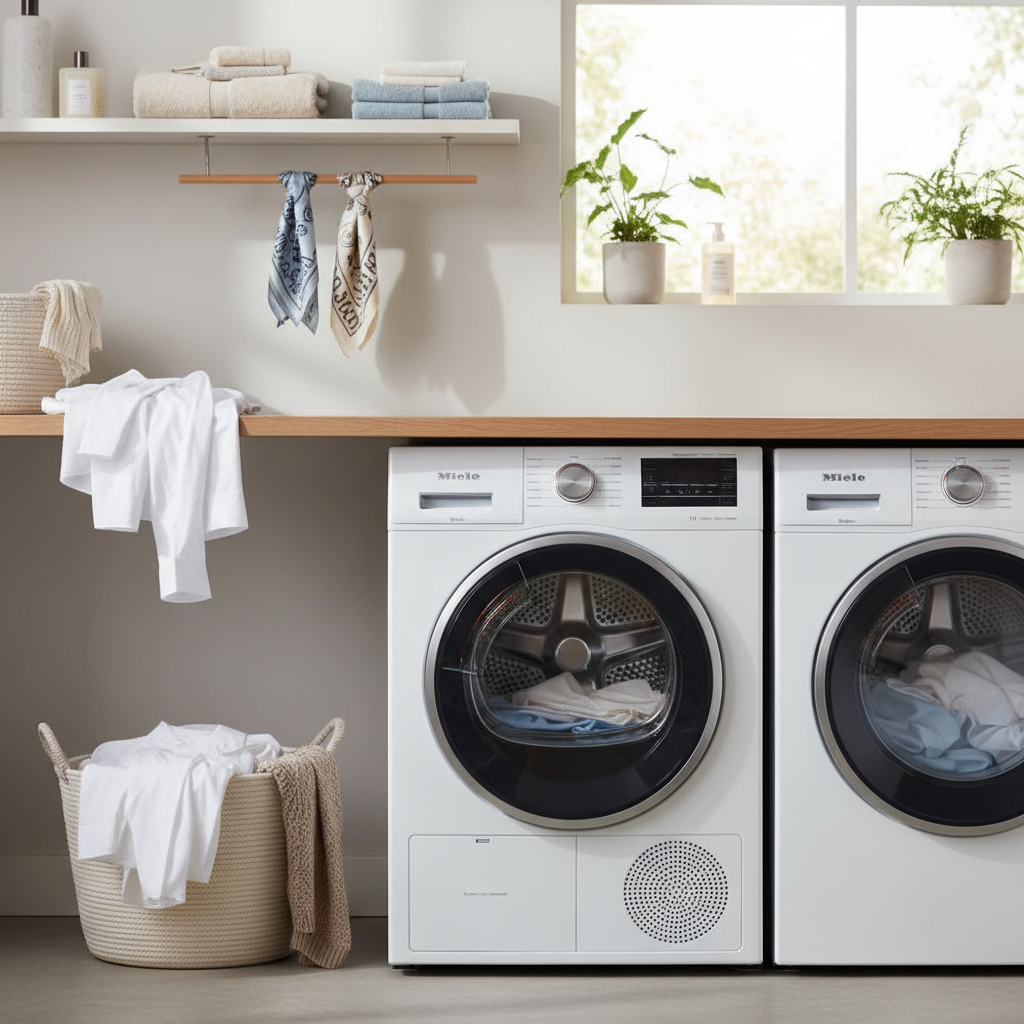
Selecting the right clothes dryer capacity is a pivotal decision for any household, directly impacting laundry efficiency, garment care, and even your utility bills. You’re likely weighing options, wondering if a standard large capacity like 7.0 cubic feet will suffice, or if a mega-capacity 9.0 cubic feet model is a worthwhile investment. This guide delves into the nuances of these popular dryer sizes, helping you determine which best fits your family’s unique demands and laundry habits.
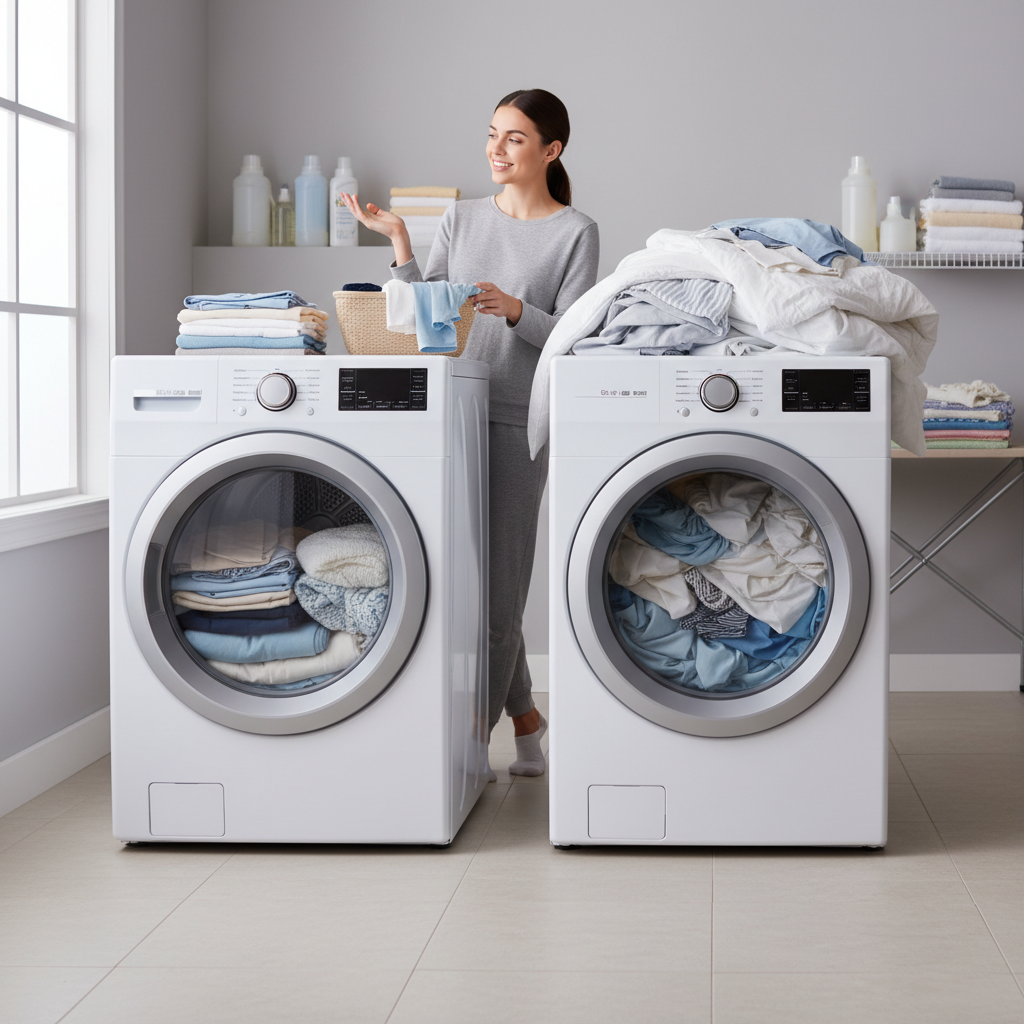
Understanding Clothes Dryer Capacity: More Than Just Numbers
Dryer capacity, measured in cubic feet, indicates the volume of the drum where your clothes tumble. This measurement isn’t just about how many items you can cram inside; it fundamentally affects how effectively your laundry dries and the longevity of both your garments and the appliance. A drum that’s too small can lead to clothes clumping together, requiring longer drying times or multiple cycles, which stresses the machine and can damage fabrics. Conversely, a dryer that’s significantly too large for typical loads might waste energy on heating an empty space or result in uneven drying. Finding the perfect balance ensures optimal efficiency, gentle care for your clothes, and a smoother laundry routine.
The 7.0 Cu Ft Clothes Dryer: The Standard for Many
The 7.0 cubic feet clothes dryer generally falls into the “standard” or “full-size” category, making it a common choice for a wide array of households. This capacity is typically ideal for families of three to four people, efficiently handling the average weekly laundry volume. You can expect a 7.0 cu ft dryer to comfortably accommodate between 9 to 15 full-sized bath towels in a single load.
The primary advantage of a 7.0 cu ft dryer lies in its efficiency for everyday laundry tasks. It provides ample space for clothes to tumble, promoting even drying without unnecessary energy consumption for smaller, more frequent loads. While it can often manage occasional bulky items like a queen-size comforter, consistently drying very large or multiple heavy items might require splitting loads or extended drying times, which could be a minor inconvenience. Its more compact footprint compared to larger models also makes it a suitable choice for laundry rooms with moderate space.
The 9.0 Cu Ft Clothes Dryer: Mega Capacity for Modern Living
Stepping up to a 9.0 cubic feet clothes dryer enters the realm of “large” or “extra-large” capacity appliances, designed to tackle substantial laundry volumes with ease. This mega-capacity is particularly well-suited for larger households of five or more people, families with young children, or individuals who frequently wash bulky items like sports uniforms, pet bedding, or large duvets. A significant benefit of a 9.0 cu ft dryer is its ability to dry a king-size comforter and a full set of bedding in a single cycle, a task smaller dryers often struggle with. For context, an 8.8 cu ft dryer can typically hold around 21 bath towels at once.
The advantages of a 9.0 cu ft dryer are compelling for busy households. By accommodating larger loads, it drastically reduces the number of cycles you need to run each week, saving considerable time and energy in the long run. The generous drum space allows clothes to tumble more freely, which can help minimize wrinkles and reduce fabric stress, thereby extending the life of your garments. Many 9.0 cu ft models also come equipped with advanced features such as sophisticated moisture sensors, multiple specialized drying cycles, and smart technology that allows for remote control and monitoring.
However, the larger capacity does come with some considerations. The initial purchase price is generally higher than that of smaller models, and a larger physical footprint may require more dedicated space in your laundry area. While more efficient for full, oversized loads, consistently drying small loads in a 9.0 cu ft dryer could lead to some energy waste if not managed properly.
“A large capacity dryer isn’t just about fitting more clothes; it’s about reclaiming your time and simplifying your laundry routine by reducing the number of loads.”
7.0 vs. 9.0 Cu Ft Clothes Dryer: A Direct Comparison
Choosing between a 7.0 cu ft and a 9.0 cu ft clothes dryer ultimately hinges on your specific laundry needs, lifestyle, and available space. Here’s a detailed comparison to help you weigh your options:
| Feature | 7.0 Cu Ft Dryer | 9.0 Cu Ft Dryer |
|---|---|---|
| Ideal Household Size | 3-4 people | 5+ people, large families, frequent launderers |
| Typical Load | Standard family laundry, 9-15 bath towels | Oversized loads, 20+ bath towels |
| Bulky Items Capability | Can handle some bulky items (e.g., queen comforter) | Easily accommodates king-size comforters, full bedding sets |
| Energy Efficiency | Efficient for average loads | Highly efficient for large, full loads; less so for small loads |
| Footprint | Standard large dryer size, generally fits most spaces | Larger footprint, often deeper and potentially wider |
| Average Cost | Moderate | Higher upfront investment |
| Key Benefits | Energy-efficient for daily use, standard size | Saves time with fewer loads, better garment care, handles all bulky items |
| Potential Drawbacks | May require splitting very large or multiple bulky loads | Higher initial cost, larger space requirement, less efficient for very small loads |
When deciding, consider your current washer’s capacity. Ideally, your dryer should have a capacity 1.5 to 2 times that of your washing machine to ensure clothes have enough room to tumble and dry thoroughly. If you have a washer with a 4.5 to 5.5 cu ft capacity, which is common for medium-sized families, a 7.0 to 9.0 cu ft dryer would be a suitable match. If your family is growing or your laundry demands are increasing, upgrading from a 7.0 cu ft to a 9.0 cu ft model can significantly streamline your laundry process and offer enhanced convenience.
Practical Considerations for Your Purchase
Before making your final decision, several practical aspects warrant careful consideration to ensure your chosen dryer integrates seamlessly into your home and lifestyle.
Space Requirements
|
Our Picks for the Best Clothes dryer in 2026
As an Amazon Associate I earn from qualifying purchases.
|
||
| Num | Product | Action |
|---|---|---|
| 1 | Drying Rack Clothing, 3-Tier Clothes Drying Rack Foldable, Antirust Laundry Drying Rack Collapsible Use for Indoor & Outdoor, 11.8" D x 34.6" W x 35.4" H, White |

|
| 2 | Kenmore 7.0 cu. ft. Front Load Electric Dryer - with Guard to Reduce Wrinkles & Static - Smart Sensor Drying - LED - White |
|
| 3 | Portable Clothes Dryer, 900W Fast Drying & Large Load Capacity for Laundry and Shoes - Compact Mini Dryer Machine for Travel, Apartments, RV, Dorm Blue |
|
| 4 | Amazon Basics Foldable Portable Clothes Drying Rack for Indoor Air Drying, Collapsible Design, 14.5" D x 29.5" W x 41.8" H, White |
|
| 5 | MOJOCO Portable Clothes Dryer - Mini/Compact Dryer for Apartment, RV, Travel - Small Quiet Fast-Drying Machine with Adjustable Timer & Hassle-Free Setup |
|
| 6 | GE PROFILE 7.2 cu. ft. Vented Electric Dryer in White with Auto Dry and Extended Tumble |
|
| 7 | Sakugi Clothes Drying Rack, Foldable 2-Level Laundry Drying Rack with Height-Adjustable Wings, for Clothing & Bedding, Free-Standing Space-Saving Rack, Indoor & Outdoor, 55.5" L × 22.8" W, Gray |
|
| 8 | Euhomy Dryer, 3.5 Cu. Ft. 1500W Clothes Dryer, Stainless Steel Tumble Dryer with Exhaust Hose for Home, Apartment, Dorm, White |
|
| 9 | BLACK+DECKER BCED37 Compact Dryer for Standard Wall Outlet, Small, 4 Modes, Load Volume 13.2 lbs., White |
|
| 10 | HOMIDEC Clothes Drying Rack, Oversized 4-Tier(67.7" High) Foldable Stainless Steel Drying Rack Clothing, Movable Drying Rack with 4 castors, 24 Drying Poles and 14 Hooks for Bed Linen, Clothing, Grey |
|
The physical dimensions of a dryer, particularly its depth, increase with capacity. While a 7.0 cu ft model generally fits within standard laundry spaces, a 9.0 cu ft dryer might be deeper and occasionally wider. You must accurately measure your laundry area, including the width, depth, and any necessary clearance for doors, vents, and utility connections. Don’t forget to account for space behind the unit for hoses and venting.
Washer Capacity Pairing
For optimal efficiency and convenience, your dryer should have a drum capacity that is at least 1.5 to 2 times larger than your washing machine. This allows wet clothes, which are heavier and more compact, to tumble freely and dry evenly without overcrowding the drum. If your washer is 5.0 cubic feet, for example, a 7.0 to 9.0 cubic feet dryer would be an ideal companion, ensuring you don’t have to split loads after washing.
Budget
Dryer prices vary significantly based on capacity, features, and brand. Larger 9.0 cu ft models typically have a higher upfront cost than their 7.0 cu ft counterparts. However, consider the long-term value. A larger dryer, if consistently used with full loads, can reduce the number of cycles you run, potentially leading to energy savings over time. Balance the initial investment with projected utility costs and the value of time saved.
Features
Modern dryers, especially those in the larger capacity range, come with an array of advanced features. Look for moisture sensors that automatically shut off the dryer when clothes are dry, preventing over-drying and saving energy. Steam cycles can refresh garments and reduce wrinkles, while smart features offer remote control via smartphone, cycle customization, and diagnostic alerts. These technological enhancements can significantly improve the drying experience and garment care.
Maximizing Efficiency with Your Large Capacity Clothes Dryer
Regardless of whether you choose a 7.0 cu ft or a 9.0 cu ft clothes dryer, maximizing its efficiency is key to saving energy and extending the life of your appliance and clothing.
Firstly, strive for optimal load sizes. While a larger dryer allows for bigger loads, avoid the temptation to overload it, as this can hinder air circulation and lead to longer drying times and uneven results. Conversely, running very small loads in a large dryer can be less energy-efficient. Utilizing sensor drying modes is crucial; these features detect moisture levels and automatically stop the cycle when clothes are dry, preventing over-drying that can damage fabrics and waste electricity.
Regular maintenance is also vital. Make it a habit to clean the lint trap before or after every load to maintain proper airflow and prevent fire hazards. Periodically check and clean your dryer vent to ensure it’s free of obstructions, which can drastically improve drying efficiency and safety. Sorting your laundry by fabric type and weight can also optimize drying times, allowing you to run more efficient cycles for similar items.
Conclusion
The choice between a 7.0 cu ft and a 9.0 cu ft clothes dryer is a significant one, influencing your laundry routine for years to come. While a 7.0 cu ft dryer serves as an excellent standard for many average-sized families, offering efficiency and convenience for everyday loads, the 9.0 cu ft mega-capacity model truly shines for larger households or those frequently dealing with oversized and bulky items, dramatically cutting down on laundry time and providing superior garment care.
Consider your household size, the types of items you regularly dry, and your available space. Evaluate not just the initial cost, but also the long-term benefits of time saved and potential energy efficiency when drying full loads. By thoughtfully assessing these factors, you can confidently select the clothes dryer that perfectly aligns with your current needs and future demands. What’s the biggest laundry challenge you face, and how might the right dryer capacity solve it for you?
Frequently Asked Questions
Can a 7.0 cu ft dryer fit a king-size comforter?
While some thinner king-size comforters might fit in a 7.0 cu ft dryer, it’s often a tight squeeze that can hinder proper tumbling and lead to longer, uneven drying. For true comfort and efficiency with king-size bedding, a 9.0 cu ft dryer is generally recommended.
Do larger dryers use more electricity?
Not necessarily. A larger dryer, when used with full, appropriately sized loads, can be more energy-efficient than running multiple smaller loads in a smaller dryer. However, using a 9.0 cu ft dryer for very small loads can consume more energy than if those loads were dried in a more suitably sized machine.
How much bigger should my dryer be than my washer?
As a general guideline, your dryer’s capacity should be about 1.5 to 2 times the capacity of your washing machine. This ensures adequate space for clothes to tumble freely, which promotes faster and more even drying, preventing wrinkles and reducing wear and tear.
What’s the best dryer capacity for a family of 5?
For a family of five or more, a 9.0 cubic feet (or even slightly larger) dryer capacity is typically ideal. This size can efficiently handle the higher volume of laundry generated by a larger household, including multiple bulky items like bedding and towels, reducing the number of loads.
Are 9.0 cu ft dryers much more expensive?
Yes, 9.0 cu ft dryers generally have a higher upfront purchase price compared to 7.0 cu ft models. This is due to their larger size, and often, the inclusion of more advanced features and technologies. However, the long-term savings in time and potential energy efficiency for large loads can offset this initial investment.