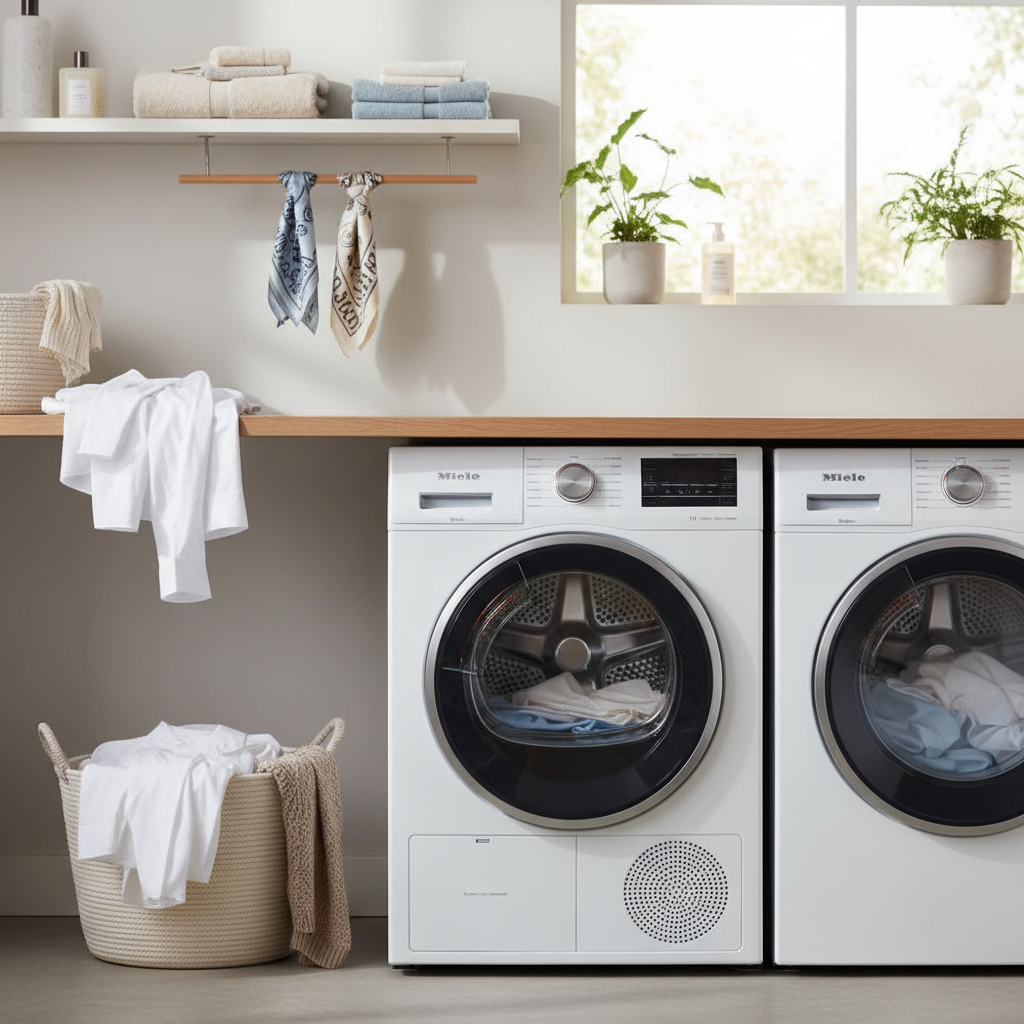
In an era defined by rising energy costs and a collective drive towards sustainability, the humble clothes dryer has undergone a remarkable transformation. Traditional vented dryers, known for expelling warm, moist air outside, are gradually giving way to a more sophisticated and environmentally conscious alternative: the heat pump dryer. These innovative appliances represent a significant leap forward in laundry technology, promising substantial energy savings, gentler fabric care, and greater flexibility in installation.
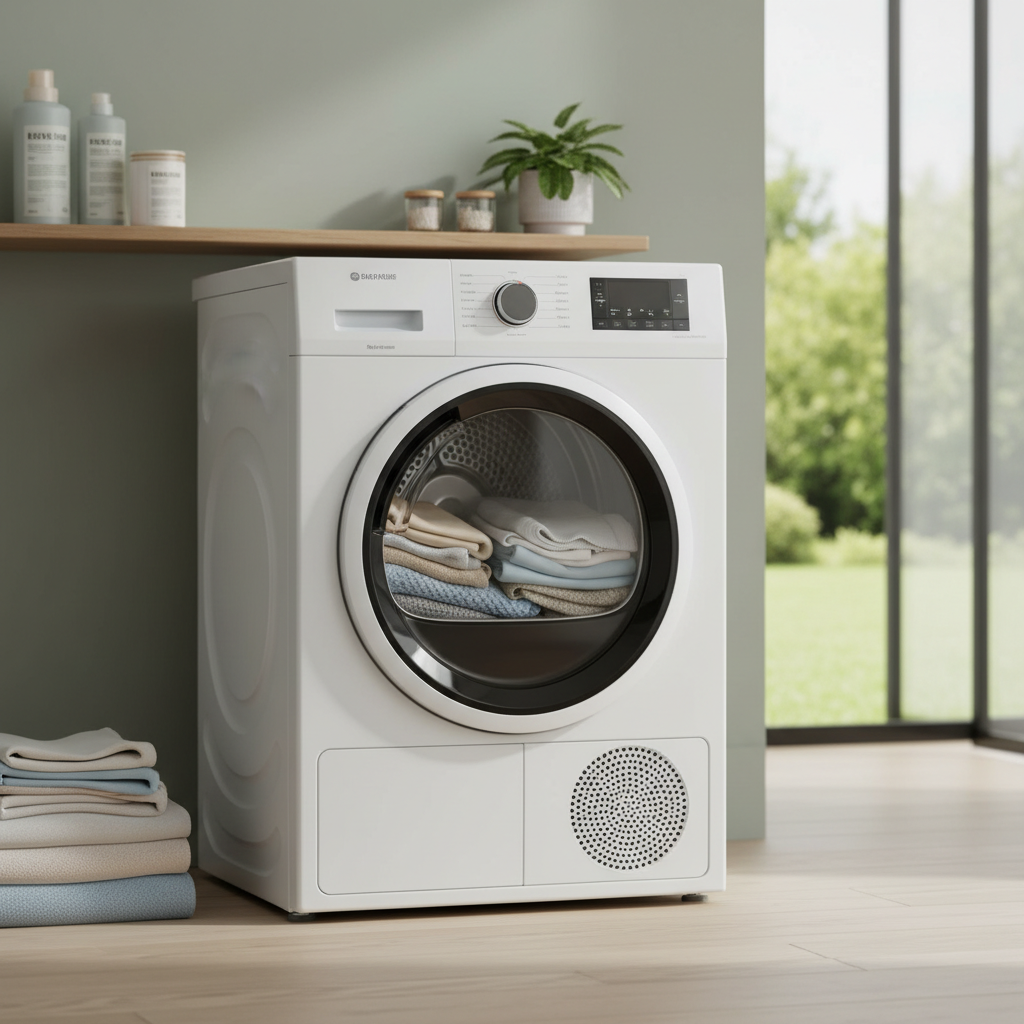
If you’re looking to upgrade your laundry room with an appliance that not only dries your clothes effectively but also drastically reduces your carbon footprint and utility bills, heat pump dryers are the answer. This comprehensive guide will delve into the world of these efficient machines, highlight their numerous benefits, provide essential buying advice, and present the top 5 heat pump dryers poised to deliver unparalleled efficiency in 2026.
Understanding Heat Pump Dryers: The Future of Laundry
Heat pump dryers utilize a revolutionary closed-loop system, fundamentally different from their conventional counterparts. Instead of expelling heated air, they continuously recycle it. A refrigerant system, similar to that found in air conditioners and refrigerators, extracts moisture from the warm air, condenses it into water, and then reheats the now-dry air before circulating it back through the drum. This ingenious process dramatically minimizes energy waste.
Advantages of Embracing Heat Pump Technology
Choosing a heat pump dryer brings a wealth of benefits, making it a compelling choice for modern households:
- Unmatched Energy Efficiency: Heat pump dryers are champions of energy conservation, typically consuming 50% to 70% less electricity than standard vented dryers. This translates directly into significant savings on your annual utility bills.
- Gentle Fabric Care: By operating at lower temperatures, heat pump dryers are much kinder to your clothes. This gentler approach helps preserve fabric integrity, reduce shrinkage, and extend the lifespan of your garments, protecting your wardrobe investment.
- Flexible Installation: Since heat pump dryers don’t require an external vent, they offer unparalleled flexibility in placement. You can install them in apartments, closets, basements, or virtually any space with an electrical outlet and a drain or an accessible water reservoir.
- Reduced Environmental Impact: Lower energy consumption means a smaller carbon footprint. By opting for a heat pump dryer, you’re making an eco-conscious choice that contributes to a healthier planet.
- Long-term Cost Savings: While the initial purchase price might be higher than traditional dryers, the substantial energy savings accrued over the appliance’s lifespan often offset this difference, leading to greater overall value.
|
Our Picks for the Best Clothes dryer in 2026
As an Amazon Associate I earn from qualifying purchases.
|
||
| Num | Product | Action |
|---|---|---|
| 1 | HOMIDEC Clothes Drying Rack, Oversized 4-Tier(67.7" High) Foldable Stainless Steel Drying Rack Clothing, Movable Drying Rack with 4 castors, 24 Drying Poles and 14 Hooks for Bed Linen, Clothing, Grey |

|
| 2 | Kenmore 7.0 cu. ft. Front Load Electric Dryer - with Guard to Reduce Wrinkles & Static - Smart Sensor Drying - LED - White |
|
| 3 | Sakugi Clothes Drying Rack, Foldable 2-Level Laundry Drying Rack with Height-Adjustable Wings, for Clothing & Bedding, Free-Standing Space-Saving Rack, Indoor & Outdoor, 55.5" L × 22.8" W, Gray |
|
| 4 | Drying Rack Clothing, 3-Tier Clothes Drying Rack Foldable, Antirust Laundry Drying Rack Collapsible Use for Indoor & Outdoor, 11.8" D x 34.6" W x 35.4" H, White |
|
| 5 | Portable Clothes Dryer, 900W Fast Drying & Large Load Capacity for Laundry and Shoes - Compact Mini Dryer Machine for Travel, Apartments, RV, Dorm Blue |
|
| 6 | GE PROFILE 7.2 cu. ft. Vented Electric Dryer in White with Auto Dry and Extended Tumble |
|
| 7 | MOJOCO Portable Clothes Dryer - Mini/Compact Dryer for Apartment, RV, Travel - Small Quiet Fast-Drying Machine with Adjustable Timer & Hassle-Free Setup |
|
| 8 | Euhomy Dryer, 3.5 Cu. Ft. 1500W Clothes Dryer, Stainless Steel Tumble Dryer with Exhaust Hose for Home, Apartment, Dorm, White |
|
| 9 | BLACK+DECKER BCED37 Compact Dryer for Standard Wall Outlet, Small, 4 Modes, Load Volume 13.2 lbs., White |
|
| 10 | Amazon Basics Foldable Portable Clothes Drying Rack for Indoor Air Drying, Collapsible Design, 14.5" D x 29.5" W x 41.8" H, White |
|
Key Considerations
While the benefits are compelling, it’s also important to acknowledge some considerations:
- Higher Upfront Cost: Heat pump dryers typically have a higher initial price tag than conventional models. However, this is often mitigated by long-term energy savings and potential rebates.
- Potentially Longer Cycle Times: Due to the lower drying temperatures, some heat pump dryer cycles can take longer than those of traditional vented dryers. However, advancements in technology are continually improving drying speeds.
- Specialized Maintenance: Beyond routine lint filter cleaning, heat pump dryers require occasional cleaning of their condenser coils to maintain optimal efficiency.
How to Choose the Most Efficient Heat Pump Dryer
Selecting the right heat pump dryer for your home involves considering several factors beyond just energy efficiency. Here’s what to look for:
Capacity
Matching the dryer’s drum capacity to your household’s laundry needs is crucial. Compact models (around 4 cu. ft.) are ideal for individuals or small families, while larger capacities (7-8 cu. ft.) suit bigger households or those who frequently dry bulky items.
Energy Efficiency Rating (CEF & ENERGY STAR)
Always prioritize models with high energy-efficiency ratings. Look for the ENERGY STAR certification, which indicates the appliance meets strict energy performance standards. The Combined Energy Factor (CEF) is a key metric, measuring pounds of clothes dried per kilowatt-hour. Most ENERGY STAR certified heat pump dryers boast a CEF of 8.0 or higher, with some leading models reaching 11.0, signifying exceptional efficiency.
Key Features
Modern heat pump dryers come equipped with a range of features designed for convenience and enhanced performance:
- Smart Technology & Connectivity: Wi-Fi enabled dryers allow for remote control, cycle notifications, and even communicate with matching washers to optimize drying settings.
- Moisture Sensors: These intelligent sensors detect when clothes are dry and automatically shut off the cycle, preventing over-drying, saving energy, and protecting fabrics.
- Specialized Cycles: Look for options like “delicate,” “sanitize,” “wrinkle guard,” and dedicated “eco modes” that prioritize energy savings over speed.
- Noise Level: If your laundry area is close to living spaces, consider models with lower decibel ratings for quieter operation.
Brand Reputation & Warranty
Invest in a reputable brand known for reliability and customer service. A strong warranty provides peace of mind and indicates the manufacturer’s confidence in their product’s durability.
Budget
While heat pump dryers are an investment, compare the upfront cost with the potential long-term energy savings. Federal incentives, such as tax credits from the Inflation Reduction Act, and local utility rebates can significantly offset the purchase price, making these efficient appliances more accessible.
Top 5 Heat Pump Dryers for Efficiency in 2026
As we look towards 2026, several heat pump dryers stand out for their exceptional energy efficiency, innovative features, and reliable performance. These models represent the pinnacle of current heat pump drying technology, catering to various household needs and preferences.
| Model | Capacity | Notable Features | CEF* (approx.) | Pros | Cons | Best For |
|---|---|---|---|---|---|---|
| *1. LG WKHC252HA (Laundry Tower)** | 7.8 cu. ft. | ThinQ app, AI DD, Steam+, Sensor Dry | 9.0 | Highest efficiency, integrated design | Higher upfront cost, full laundry tower | Space-saving, ultimate efficiency, tech-savvy |
| 2. Beko HPD24414W | 2.5 cu. ft. | OptiSense, Digital Display, Child Lock | 11.0 | Ultra-efficient, compact, great for bulky | Smaller capacity, longer cycles | Small spaces, energy savers, frequent bulky loads |
| 3. Samsung DV25B69H*** | 4.0 cu. ft. | SmartThings App, Sensor Dry, Reversible Door | 6.8 | Compact, smart features, quiet | Slightly lower CEF than Beko/LG | Compact living, smart home integration |
| 4. Miele TXR860WP Eco & Steam | 4.0 cu. ft. | SteamFinish, FragranceDos, EcoDry, Miele@home | N/A | Premium build, gentle drying, reliable | High price point, specialized servicing | Luxury, delicate fabrics, long-term durability |
| 5. Blomberg DHP24404W | 4.1 cu. ft. | OptiSense, Stainless Steel Drum, Delay Start | 11.0 | High CEF, compact, good value | Limited availability in some regions | Efficiency-focused, compact, reliable performance |
*Combined Energy Factor (CEF) is a measure of efficiency; higher numbers indicate better efficiency. Values are indicative and may vary.
**Asterisks in model numbers usually denote color or regional variations.
Maximizing Your Heat Pump Dryer’s Efficiency
Even with the most efficient heat pump dryer, your usage habits play a significant role in actual energy consumption. Follow these tips to ensure you get the most out of your appliance:
- Optimal Loading: Avoid overloading the dryer, as this restricts airflow and prolongs drying times. Conversely, don’t run it for tiny loads; combine them for better efficiency. For best results, fill the drum about two-thirds full.
- Utilize Sensor Dry Settings: Always opt for the “sensor dry” or “auto dry” cycles. These settings use moisture sensors to detect when clothes are dry and automatically stop, preventing wasted energy from over-drying.
- Regular Lint Filter Cleaning: Clean the lint filter before or after every single load. A clogged filter drastically reduces airflow and efficiency, increasing drying times and energy usage.
- Empty Water Reservoir: If your dryer collects condensed water in a reservoir, empty it after each cycle. This ensures the system can efficiently remove moisture from subsequent loads.
- Clean Condenser Coil: Periodically, as per your dryer’s manual, clean the condenser coil. Dust and lint can accumulate here, impeding heat exchange and reducing efficiency.
- Select Appropriate Cycles: Use lower heat settings for delicate items and “eco modes” when time is not a constraint. Separate heavy items from lighter ones, as they require different drying times.
Where to Purchase Your Next Heat Pump Dryer
When you’re ready to invest in a heat pump dryer, consider purchasing from reputable appliance retailers, both online and brick-and-mortar stores. Major chains often have knowledgeable staff who can guide you through the options and provide competitive pricing. Keep an eye out for seasonal sales and remember to inquire about any available energy rebates from your local utility company or government programs. Reading customer reviews and comparing warranties across different vendors can also help you make an informed decision and secure the best deal.
Conclusion
Heat pump dryers have firmly established themselves as the leading choice for energy-efficient and sustainable laundry care. With their ability to significantly cut electricity consumption, provide gentle treatment for your clothes, and offer flexible installation, they are an intelligent investment for any modern home. The models highlighted for 2026 showcase the ongoing innovation in this space, offering features and performance that cater to a wide range of needs. By understanding the technology, choosing wisely based on your specific requirements, and practicing good maintenance habits, you can enjoy years of efficient, eco-friendly drying.
Are you ready to embrace the energy-saving revolution in your laundry room?
Frequently Asked Questions
How much energy do heat pump dryers save compared to traditional models?
Heat pump dryers can save anywhere from 50% to 70% on electricity consumption compared to conventional vented dryers. This significant reduction in energy use translates to substantial savings on your utility bills over time, making them a wise long-term investment.
Are heat pump dryers slower than traditional dryers?
While heat pump dryers traditionally had longer cycle times due to their lower drying temperatures, advancements in technology have largely minimized this difference. Many modern heat pump dryers now offer comparable drying speeds, especially when utilizing sensor dry functions that prevent over-drying.
Do heat pump dryers require special installation?
One of the key advantages of heat pump dryers is their flexible installation. Unlike vented dryers, they do not require an external exhaust vent. They only need access to an electrical outlet (often a standard 120-volt connection for many compact models) and either a drain for condensed water or regular emptying of an internal water reservoir.
How often should I clean my heat pump dryer’s condenser?
The frequency of condenser cleaning varies by model, but it’s generally recommended to clean it periodically, such as every few months or as indicated in your owner’s manual. Regular cleaning of the lint filter after every load is also crucial for maintaining optimal efficiency and performance.
What is a Combined Energy Factor (CEF)?
The Combined Energy Factor (CEF) is a metric used by ENERGY STAR to measure a dryer’s energy efficiency. It quantifies how many pounds of clothes a dryer can dry per kilowatt-hour (kWh) of electricity consumed, taking into account both active drying and standby power modes. A higher CEF indicates greater efficiency.