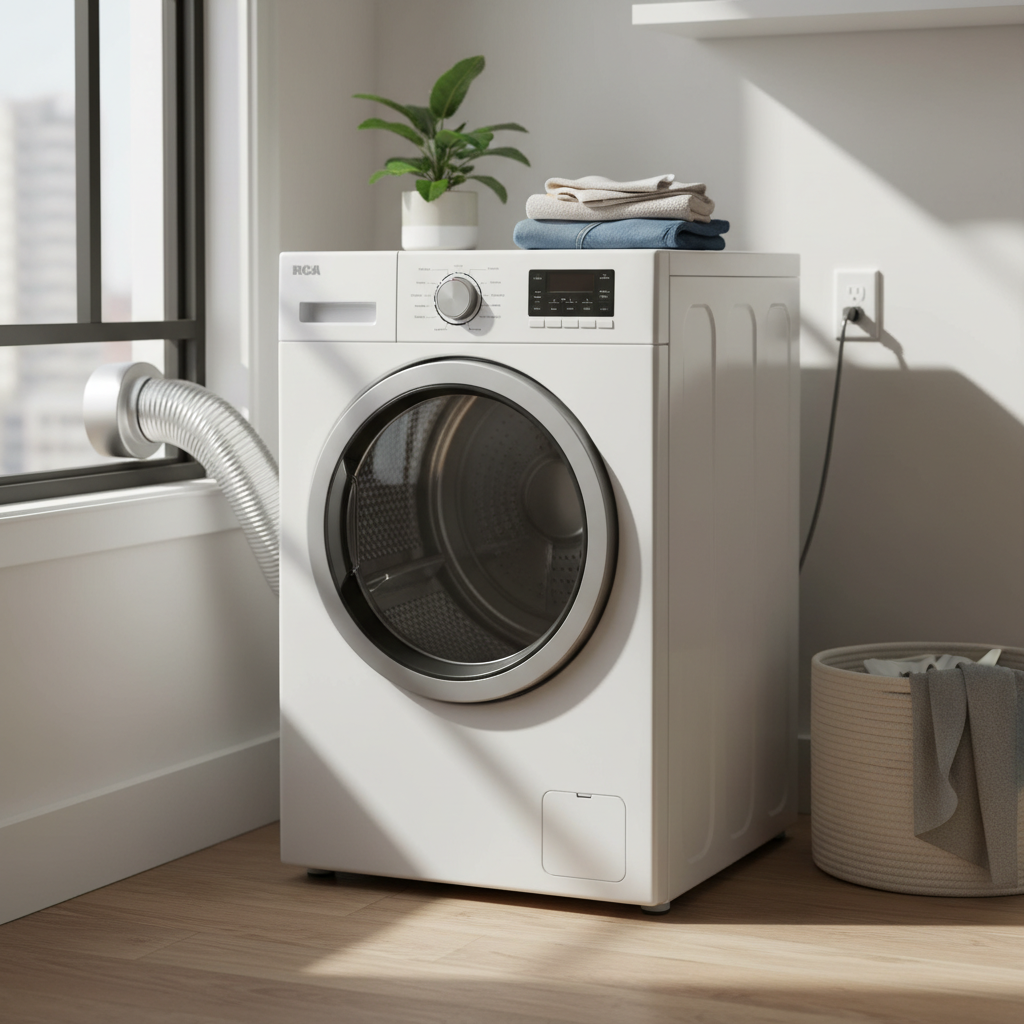
The persistent hum of a conventional clothes dryer, while a familiar sound in many homes, also represents one of the most energy-intensive appliances in modern households. For decades, we’ve relied on brute force heat to evaporate water from our clothes, a process that is both slow and costly. But what if there was a fundamentally different way to dry fabrics, one that was dramatically faster, gentler, and consumed a mere fraction of the energy? The answer lies in the exciting promise of ultrasonic drying technology, a revolutionary approach poised to redefine how we think about drying. This innovative method harnesses the power of high-frequency sound waves, marking a significant leap toward more sustainable and efficient living.
Understanding the Current Drying Landscape
Traditional clothes dryers primarily operate on one principle: applying heat to evaporate water from fabrics. This includes vented dryers, which expel hot, moist air, and condenser dryers, which cool the moist air to condense water into a reservoir. Heat pump dryers offer a more energy-efficient alternative by reusing hot air, but still rely on thermal evaporation. While these technologies have evolved, their core reliance on heat makes them inherently energy-hungry. The energy required to convert liquid water into vapor (the latent heat of evaporation) is substantial, making clothes drying a significant contributor to household energy consumption. The search for a more sustainable method has driven researchers to explore entirely new paradigms, leading to the emergence of ultrasonic technology.
How Ultrasonic Drying Works
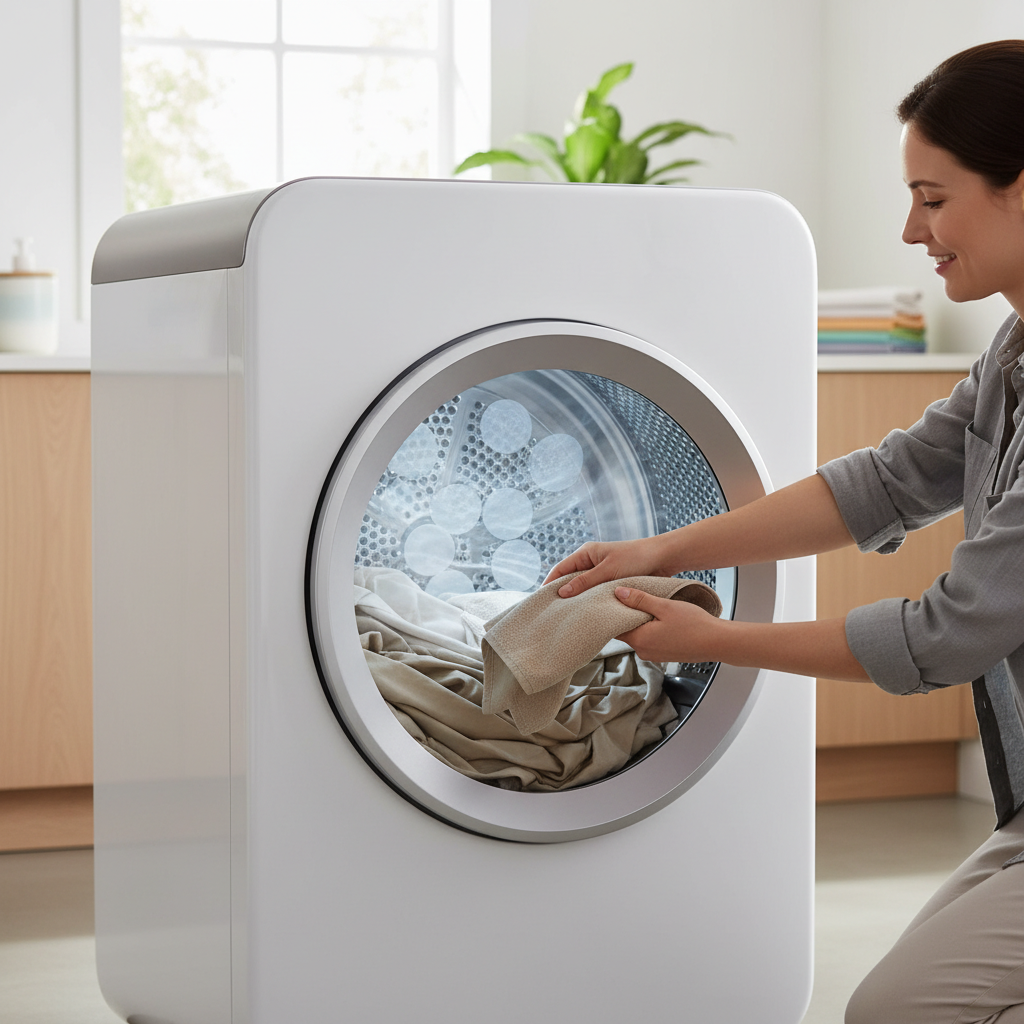
At its heart, ultrasonic drying is a marvel of mechanical engineering, eschewing heat for the power of sound. The process utilizes specialized components known as piezoelectric transducers. These remarkable devices convert electrical energy into mechanical vibrations. When activated, these transducers vibrate at incredibly high frequencies—far beyond the range of human hearing—causing the water trapped within fabric fibers to atomize into a cool mist. This mist is then gently removed, leaving the fabric dry.
Unlike conventional dryers that boil water away, ultrasonic technology physically shakes the water droplets free. “This innovation fundamentally replaces the traditional, energy-intensive process of heat-based evaporation, offering a pathway to fully electrify laundry systems without the high utility demand of conventional electric dryers,” states a briefing on the technology. The water removal is a mechanical action rather than a phase change, which is the key to its exceptional efficiency. This novel approach ensures that fabrics are not exposed to high temperatures, preserving their integrity and extending their lifespan.
The Transformative Benefits of Ultrasonic Drying
The implications of ultrasonic drying technology are profound, offering a suite of advantages that could revolutionize both domestic and industrial applications.
Unprecedented Energy Efficiency
|
Our Picks for the Best Clothes dryer in 2026
As an Amazon Associate I earn from qualifying purchases.
|
||
| Num | Product | Action |
|---|---|---|
| 1 | Sakugi Clothes Drying Rack, Foldable 2-Level Laundry Drying Rack with Height-Adjustable Wings, for Clothing & Bedding, Free-Standing Space-Saving Rack, Indoor & Outdoor, 55.5" L × 22.8" W, Gray |

|
| 2 | Euhomy Dryer, 3.5 Cu. Ft. 1500W Clothes Dryer, Stainless Steel Tumble Dryer with Exhaust Hose for Home, Apartment, Dorm, White |
|
| 3 | Amazon Basics Foldable Portable Clothes Drying Rack for Indoor Air Drying, Collapsible Design, 14.5" D x 29.5" W x 41.8" H, White |
|
| 4 | HOMIDEC Clothes Drying Rack, Oversized 4-Tier(67.7" High) Foldable Stainless Steel Drying Rack Clothing, Movable Drying Rack with 4 castors, 24 Drying Poles and 14 Hooks for Bed Linen, Clothing, Grey |
|
| 5 | BLACK+DECKER BCED37 Compact Dryer for Standard Wall Outlet, Small, 4 Modes, Load Volume 13.2 lbs., White |
|
| 6 | Drying Rack Clothing, 3-Tier Clothes Drying Rack Foldable, Antirust Laundry Drying Rack Collapsible Use for Indoor & Outdoor, 11.8" D x 34.6" W x 35.4" H, White |
|
| 7 | GE PROFILE 7.2 cu. ft. Vented Electric Dryer in White with Auto Dry and Extended Tumble |
|
| 8 | Kenmore 7.0 cu. ft. Front Load Electric Dryer - with Guard to Reduce Wrinkles & Static - Smart Sensor Drying - LED - White |
|
| 9 | Portable Clothes Dryer, 900W Fast Drying & Large Load Capacity for Laundry and Shoes - Compact Mini Dryer Machine for Travel, Apartments, RV, Dorm Blue |
|
| 10 | MOJOCO Portable Clothes Dryer - Mini/Compact Dryer for Apartment, RV, Travel - Small Quiet Fast-Drying Machine with Adjustable Timer & Hassle-Free Setup |
|
Perhaps the most compelling benefit of ultrasonic drying is its dramatic reduction in energy consumption. By mechanically atomizing water instead of evaporating it, the technology sidesteps the massive energy demand associated with the latent heat of vaporization. Early research indicates that ultrasonic dryers can cut energy use by up to 80% compared to standard thermal models. This represents a substantial decrease in household utility costs and a significant stride towards greater energy independence. For the same amount of kilowatt-hours, ultrasonic dryers are projected to be three to five times more efficient than their conventional counterparts. This efficiency aligns perfectly with global goals for improving energy efficiency, contributing to a greener future.
Speed and Gentleness
Beyond energy savings, ultrasonic drying boasts impressive speed. Laboratory tests have demonstrated the ability to dry small pieces of fabric in as little as 14 seconds, a process that would take several minutes in a traditional oven. While scaling this to a full load of laundry presents engineering challenges, estimates suggest a complete cycle could take less than 20 minutes. This speed would offer unparalleled convenience, streamlining laundry routines.
Crucially, because ultrasonic drying operates without heat, it is inherently gentler on fabrics. High temperatures can degrade fibers, fade colors, and contribute to shrinkage over time. By eliminating heat, ultrasonic dryers promise to extend the life of clothing, preserve fabric quality, and significantly reduce lint generation, a common byproduct of thermal friction. This gentler process is a boon for delicate garments and high-quality textiles.
Environmental Impact
The environmental advantages of ultrasonic drying extend beyond just energy conservation. By enabling the complete electrification of laundry systems and drastically reducing energy demand, it helps lower the carbon footprint associated with household appliances. This technology contributes to a broader movement towards sustainable living, making it easier for homes and businesses to reduce their environmental impact without sacrificing convenience or performance. The reduced lint generation also implies less microplastic release into water systems, further enhancing its ecological credentials.
Overcoming the Hurdles: Challenges in Commercialization
While the potential of ultrasonic drying is undeniable, its journey from laboratory breakthrough to widespread consumer adoption faces several significant challenges.
Scaling and Design
One of the primary hurdles involves scaling the technology from drying small fabric swatches to efficiently handling an entire load of laundry. Early research, notably by Oak Ridge National Laboratory (ORNL) in collaboration with GE Appliances, focused on small, direct-contact applications. Integrating piezoelectric transducers into a full-sized drum dryer and ensuring uniform drying for varying fabric types and load sizes is a complex engineering feat. Furthermore, controlling the cool mist generated by the atomization process to prevent it from re-depositing on partially dried clothes is crucial for effective operation. Researchers are actively working on optimizing transducer design, placement, and power delivery to ensure consistent and thorough drying performance.
Cost and Manufacturing
As with many cutting-edge technologies, the initial manufacturing cost of ultrasonic drying units could be higher than conventional dryers. The specialized piezoelectric transducers and sophisticated control systems required may lead to a premium price point for early models. However, as production scales and technology matures, these costs are expected to decrease. Investment from the private sector is vital to push this technology forward, transitioning from research prototypes to mass-produced, affordable consumer appliances.
Widespread Adoption
Educating consumers about a fundamentally new drying method will also be critical. Overcoming ingrained perceptions and building trust in a “no-heat” drying process will require clear communication about its benefits and safety. Standardizing performance metrics and integrating ultrasonic capabilities into smart home ecosystems will be key to its successful market penetration.
Beyond Laundry: Diverse Applications of Ultrasonic Drying
The principles of ultrasonic drying extend far beyond the laundry room, promising efficiency gains in a multitude of industrial and specialized applications.
In industrial processes, ultrasonic technology holds immense potential for drying materials like paper, pulp, biomass, and chemical powders. These industries often rely on energy-intensive thermal drying methods, and a shift to ultrasonic techniques could lead to substantial operational cost savings and reduced environmental impact. “Emerging technologies such as multi-frequency ultrasonic drying are becoming greener and energy efficient,” highlighting its role in eco-friendly manufacturing.
For food preservation, ultrasonic pretreatment and ultrasound-assisted drying methods have shown promise in accelerating the drying of fruits and other produce while maintaining nutritional quality. Studies have demonstrated reductions in drying time by more than 40% for various fruits, contributing to significant energy savings.
Perhaps one of the most intriguing applications is in space exploration. NASA is exploring ultrasonic drying for spacecraft solid waste management, aiming to recover more than 80% of water from human waste. This ultra-efficient, no-heat drying method could significantly reduce the operational cost and payload weight for long-duration missions to the Moon and Mars, while also improving crew hygiene and resource sustainability.
The Road Ahead: What to Expect from Ultrasonic Drying
The journey of ultrasonic drying from a scientific curiosity to a household staple is still ongoing, but the trajectory is clear. Continuous research and development, particularly by institutions like Oak Ridge National Laboratory and companies such as GE Appliances, are refining the technology, optimizing transducer designs, and improving control systems. We can anticipate the emergence of commercial prototypes and, eventually, consumer-ready products that will fundamentally alter our daily routines. The next signals to watch for will be major commercial partnerships and large-scale pilot deployments, which will validate the technology’s durability and scalability outside of laboratory settings. The future of drying is poised to be quiet, cool, and incredibly efficient.
The adoption of ultrasonic technology will not only transform how we dry our clothes but will also push the boundaries of energy efficiency across various industries. It represents a critical component of a more electrified and sustainable future. Are you ready to embrace the quiet revolution in drying?
Frequently Asked Questions
How much energy do ultrasonic clothes dryers save compared to traditional models?
Ultrasonic clothes dryers are projected to save a significant amount of energy, potentially reducing consumption by up to 80% compared to conventional heat-based dryers. This is due to their mechanical water removal process, which is far more efficient than evaporation.
Do ultrasonic clothes dryers use heat?
No, ultrasonic clothes dryers do not use heat. Instead, they employ high-frequency sound waves generated by piezoelectric transducers to atomize water into a cool mist, removing moisture from fabrics without thermal energy.
Are ultrasonic dryers faster than conventional dryers?
Yes, initial laboratory tests suggest ultrasonic dryers are significantly faster. While a small fabric piece can dry in seconds, a full load of laundry could potentially dry in less than 20 minutes, offering a considerable speed advantage over traditional methods.
Is ultrasonic drying safe for all types of fabrics?
Due to the absence of heat, ultrasonic drying is expected to be gentler on fabrics, minimizing wear, shrinkage, and color fading. This makes it potentially safer for a wider range of delicate materials that are often damaged by high-temperature drying.
When can consumers expect to buy ultrasonic clothes dryers?
While prototypes have been developed, ultrasonic clothes dryers are currently still in the research and development and scaling-up phases. Widespread consumer availability will depend on further engineering refinement, manufacturing scalability, and private sector investment.