Drying a king-size comforter at home can often feel like an impossible task, transforming laundry day into a frustrating wrestling match with a damp, oversized lump. Many standard dryers simply lack the necessary drum space to properly tumble and dry such bulky items, leading to uneven drying, longer cycles, and even potential damage to your bedding and appliance. This comprehensive guide is designed to cut through the confusion, offering expert insights to help you select the ideal clothes dryer that can effortlessly handle your largest comforters, ensuring they emerge fluffy, fresh, and perfectly dry every time.
Why Capacity Matters: The Key to Drying King Size Comforters
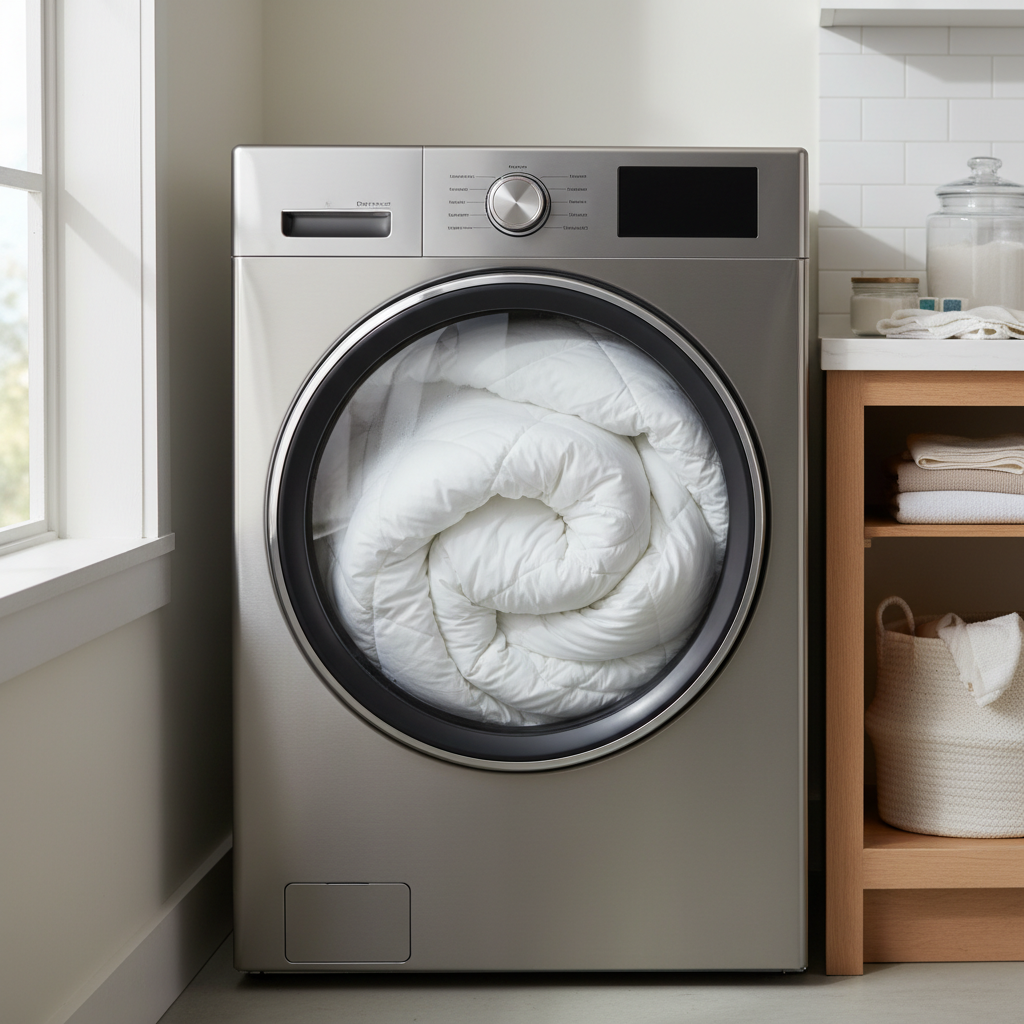
The single most critical factor when choosing a dryer for a king-size comforter is its capacity, measured in cubic feet. A king-size comforter alone typically occupies around 4 cubic feet of space, but it also requires ample room to tumble freely and allow hot air to circulate evenly. Without sufficient space, comforters can clump up, trapping moisture and resulting in damp spots, extended drying times, and increased energy consumption. Overloading also puts unnecessary strain on the dryer’s motor and components, potentially shortening its lifespan.
For effectively drying king-size comforters, most experts recommend a dryer with a capacity of at least 7.0 cubic feet. While some “large capacity” dryers start around 4.6 cubic feet, those categorized as “extra-large” with capacities greater than 5.2 cubic feet, ideally 7.0 to 9.0 cubic feet, provide the best performance for king-sized bedding. This generous drum size ensures your comforter can unroll and tumble without restriction, facilitating thorough and efficient drying.
Types of Clothes Dryers: Vented vs. Ventless, Gas vs. Electric
Understanding the different types of dryers available is essential, as each has distinct benefits and considerations, especially when it comes to drying bulky items.
Vented Dryers
Vented dryers are the traditional choice, utilizing a heating element to warm air and then expelling the humid air outside through a duct.
- Advantages:
- Generally have lower upfront costs compared to ventless models.
- Tend to dry clothes faster due to direct heat expulsion.
- Often feature larger capacity drums, making them well-suited for big loads and comforters.
- Disadvantages:
- Require an external vent, limiting placement options.
- The vent system needs periodic cleaning to prevent blockages and fire hazards.
- Can add more heat to your laundry room during operation.
|
Our Picks for the Best Clothes dryer in 2026
As an Amazon Associate I earn from qualifying purchases.
|
||
| Num | Product | Action |
|---|---|---|
| 1 | HOMIDEC Clothes Drying Rack, Oversized 4-Tier(67.7" High) Foldable Stainless Steel Drying Rack Clothing, Movable Drying Rack with 4 castors, 24 Drying Poles and 14 Hooks for Bed Linen, Clothing, Grey |

|
| 2 | GE PROFILE 7.2 cu. ft. Vented Electric Dryer in White with Auto Dry and Extended Tumble |
|
| 3 | BLACK+DECKER BCED37 Compact Dryer for Standard Wall Outlet, Small, 4 Modes, Load Volume 13.2 lbs., White |
|
| 4 | Sakugi Clothes Drying Rack, Foldable 2-Level Laundry Drying Rack with Height-Adjustable Wings, for Clothing & Bedding, Free-Standing Space-Saving Rack, Indoor & Outdoor, 55.5" L × 22.8" W, Gray |
|
| 5 | Euhomy Dryer, 3.5 Cu. Ft. 1500W Clothes Dryer, Stainless Steel Tumble Dryer with Exhaust Hose for Home, Apartment, Dorm, White |
|
| 6 | Amazon Basics Foldable Portable Clothes Drying Rack for Indoor Air Drying, Collapsible Design, 14.5" D x 29.5" W x 41.8" H, White |
|
| 7 | Kenmore 7.0 cu. ft. Front Load Electric Dryer - with Guard to Reduce Wrinkles & Static - Smart Sensor Drying - LED - White |
|
| 8 | Portable Clothes Dryer, 900W Fast Drying & Large Load Capacity for Laundry and Shoes - Compact Mini Dryer Machine for Travel, Apartments, RV, Dorm Blue |
|
| 9 | MOJOCO Portable Clothes Dryer - Mini/Compact Dryer for Apartment, RV, Travel - Small Quiet Fast-Drying Machine with Adjustable Timer & Hassle-Free Setup |
|
| 10 | Drying Rack Clothing, 3-Tier Clothes Drying Rack Foldable, Antirust Laundry Drying Rack Collapsible Use for Indoor & Outdoor, 11.8" D x 34.6" W x 35.4" H, White |
|
Ventless Dryers (Heat Pump & Condenser)
Ventless dryers do not require an external exhaust vent, offering greater installation flexibility. They come in two main types: condenser and heat pump. Heat pump dryers are particularly notable for their energy efficiency.
- How They Work: Instead of expelling air, ventless dryers use a closed-loop system. Heat pump dryers continuously recycle heated air, removing moisture, while condenser dryers use a heat exchanger to cool the air and condense moisture, which is then drained away.
- Advantages:
- Highly energy-efficient, especially heat pump models, leading to lower operating costs over time.
- Easier to install since no external venting is needed, ideal for apartments, condos, or homes without existing vent hookups.
- Gentler on clothes due to lower drying temperatures.
- Less lint and dust circulated into the ambient air of the home.
- Disadvantages:
- Typically have a higher upfront purchase cost.
- Generally take longer to dry clothes compared to vented models.
- May sometimes leave clothes feeling slightly damp, though not wet, due to the different drying process.
- Can add humidity to the laundry room if not properly managed.
Gas vs. Electric Dryers
The choice between a gas and electric dryer depends largely on your home’s existing utility connections.
- Gas Dryers:
- Use natural gas or propane for heating and a standard 110/115-volt outlet for controls.
- Heat up more quickly, often resulting in faster drying times.
- Generally less expensive to operate due to lower natural gas costs.
- Higher purchase price and installation costs if a gas line isn’t already present.
- Electric Dryers:
- More common and typically require a dedicated 208- to 240-volt electrical connection.
- Lower upfront purchase price and quicker installation if the correct outlet is available.
- Operating costs can be higher depending on electricity rates.
- Many models are available in both gas and electric versions, allowing you to choose based on your specific setup and budget.
Essential Features for Drying Bulky Items
Beyond sheer capacity, several features can significantly enhance a dryer’s ability to handle large comforters and other bulky items effectively.
Drum Size and Design
Look for dryers with smooth, spacious stainless steel drums that prevent snagging and allow comforters to tumble freely without tangling. Some models feature elevated drums or integrated control panels, making loading and unloading bulky items easier on your back.
Moisture Sensors
A must-have feature, moisture sensors automatically detect the dampness level of your laundry and adjust the drying time accordingly. This prevents over-drying, which can damage fabrics and waste energy, ensuring your comforter is dried perfectly without excessive heat exposure. Many models offer varying dryness levels, from slightly damp to completely dry.
Specialized Cycles
Many high-capacity dryers offer dedicated cycles designed for bulky items and bedding.
- Bedding/Bulky/Jumbo Dry: These cycles use specific temperature and tumble patterns to ensure large items like comforters dry thoroughly and evenly.
- Steam Cycles (Steam Fresh, Steam Sanitize, Wrinkle Prevent): Ideal for refreshing comforters, relaxing wrinkles, and removing odors without a full wash. Steam sanitize cycles can also eliminate allergens and bacteria, a great benefit for bedding. These typically require a cold water hookup.
Temperature Settings
Variable temperature control is vital for protecting different fabric types. Being able to select ultra-low heat for delicate fillings in your comforter, or higher heat for more durable materials, helps extend the life of your bedding.
Smart Features & Connectivity
Modern dryers often come with Wi-Fi connectivity, allowing you to monitor cycles, receive completion notifications, and even schedule delayed drying times directly from your smartphone. This is particularly useful for managing long drying cycles for comforters when you’re not in the laundry room.
Lint Filter Accessibility
An easily accessible and cleanable lint filter is crucial, especially when drying items that produce a lot of lint, like comforters. A vent-blocking indicator is a valuable safety feature for vented models, alerting you when the duct needs attention.
Top Dryers Recommended for King Size Comforters
Several brands consistently produce dryers with the capacity and features necessary for king-size comforters.
- LG: Frequently lauded for its large capacity models, LG offers dryers like the DLEX8900B (9.0 cubic feet) and DLEX6500B (7.4 cubic feet) which are explicitly noted for handling king-size bedding. Their DLHC5502W (7.8 cubic feet) is a highly-rated ventless heat pump option suitable for large items. Many LG models include smart features, steam functions, and multiple cycles for comprehensive fabric care.
- Electrolux: The Electrolux Stackable Steam Cycle Electric Dryer (8.0 cubic feet) is recognized for its large capacity and ability to dry comforters effectively, often featuring quick-dry cycles.
- Maytag: Maytag offers reliable large-capacity dryers, such as the Vented Pet Pro Electric Dryer (7.0 cubic feet), which can easily accommodate large blankets and sheets without tangling, thanks to its spacious drum.
- Speed Queen: Known for their durability and robust performance, Speed Queen models like the DR7 Dryer (7.0 cubic feet) provide ample space and powerful drying for large loads.
- Whirlpool: Whirlpool also offers competitive large-capacity dryers, including models around 7.0 to 7.4 cubic feet, capable of drying bedding and multiple blankets in a single cycle.
- GE Profile: Dryers like the GE Profile PTD60EBSRWS (7.4 cubic feet) also provide a large drum suitable for bulky items.
When considering a purchase, prioritize models within the 7.0-9.0 cubic feet range, and check for features like moisture sensors and specialized bedding cycles to ensure optimal performance for your king-size comforter.
Installation and Space Considerations
Before purchasing any dryer, especially a large-capacity model, it is crucial to meticulously measure your available space.
- Measure Width, Depth, and Height: A standard full-size dryer is typically 27 inches wide. Allow at least a 1-inch gap on either side and between appliances for proper air circulation. For depth, factor in an additional 6 inches for door clearance, dryer vents, and utility hookups. If considering a stackable unit, ensure your ceiling height can accommodate the combined height of the washer and dryer.
- Doorway Clearance: Don’t forget to measure all doorways, hallways, and stairwells the dryer will need to pass through during delivery and installation.
- Door Reversibility: Check if the dryer door is reversible. This feature offers flexibility in placement and can be highly convenient, especially in compact laundry rooms.
- Stackable Options: If space is at a premium, many front-loading washers and dryers can be stacked. You will need to purchase a compatible stacking kit, and it’s often easiest to stack a dryer with its matching washer for optimal fit and performance.
Tips for Efficiently Drying Your King Size Comforter
Even with the best dryer, proper technique ensures your king-size comforter dries thoroughly and efficiently, maintaining its quality and loft.
- Don’t Overload: While your large-capacity dryer is built for big items, avoid stuffing it too tightly. Give the comforter room to tumble and expand.
- Use Dryer Balls: Adding wool dryer balls helps to separate the comforter, fluff it, and improve air circulation, significantly reducing drying time and preventing clumping.
- Check and Reposition: For extra-large or particularly thick comforters, pause the dryer cycle halfway through to remove, fluff, and reposition the comforter. This helps expose any still-damp areas to the heat.
- Clean the Lint Filter: Always clean the lint filter before every load. A clean filter ensures maximum airflow and efficiency, which is especially important for thick items like comforters that can produce a lot of lint.
- Select Appropriate Cycles: Utilize specific “Bedding,” “Bulky,” or “Comforter” cycles if your dryer has them. If not, use a “Timed Dry” setting with a medium to low heat to prevent heat damage and ensure thorough drying, monitoring progress with a moisture sensor if available.
Investing in a large-capacity dryer is a game-changer for anyone regularly washing king-size comforters. By prioritizing drum size, leveraging smart features like moisture sensors and steam cycles, and choosing between vented or ventless options based on your home’s setup, you can transform the daunting task of drying bulky bedding into a simple, efficient process. Carefully consider your specific needs, measure your space accurately, and invest in a dryer that promises both convenience and excellent care for your biggest laundry items. What features are you looking for to simplify your laundry routine?
Frequently Asked Questions
What size dryer do I need for a king-size comforter?
For a king-size comforter, you generally need a dryer with a drum capacity of at least 7.0 cubic feet. While some smaller models might technically fit a comforter, a larger capacity (ideally 7.0-9.0 cubic feet) ensures proper tumbling and even air circulation for thorough drying and to prevent damp spots.
Can I dry a king-size comforter in a 7 cubic foot dryer?
Yes, a 7 cubic foot dryer is typically sufficient for drying a king-size comforter, provided the comforter is not excessively thick or heavy. This capacity allows enough room for the comforter to tumble and for air to circulate, promoting more even drying. Using dryer balls can further enhance efficiency.
Are heat pump dryers good for large comforters?
Heat pump dryers can be excellent for large comforters, offering gentle yet effective drying. While they may take longer than traditional vented dryers, their energy efficiency and lower drying temperatures are beneficial for preserving the comforter’s fabric and filling. Look for models with capacities above 7.0 cubic feet for best results.
How often should I clean my dryer’s lint filter?
You should clean your dryer’s lint filter before every load. This is especially critical when drying bulky items like comforters, which can produce a significant amount of lint. A clean lint filter ensures optimal airflow, prevents fire hazards, and maintains drying efficiency.
What is a good cubic foot capacity for a family?
For an average family, a dryer capacity between 7.0 and 8.0 cubic feet is generally considered good. This size can comfortably handle daily laundry loads, including towels and bedding, and is capable of drying king-size comforters and other bulky items without needing multiple cycles.