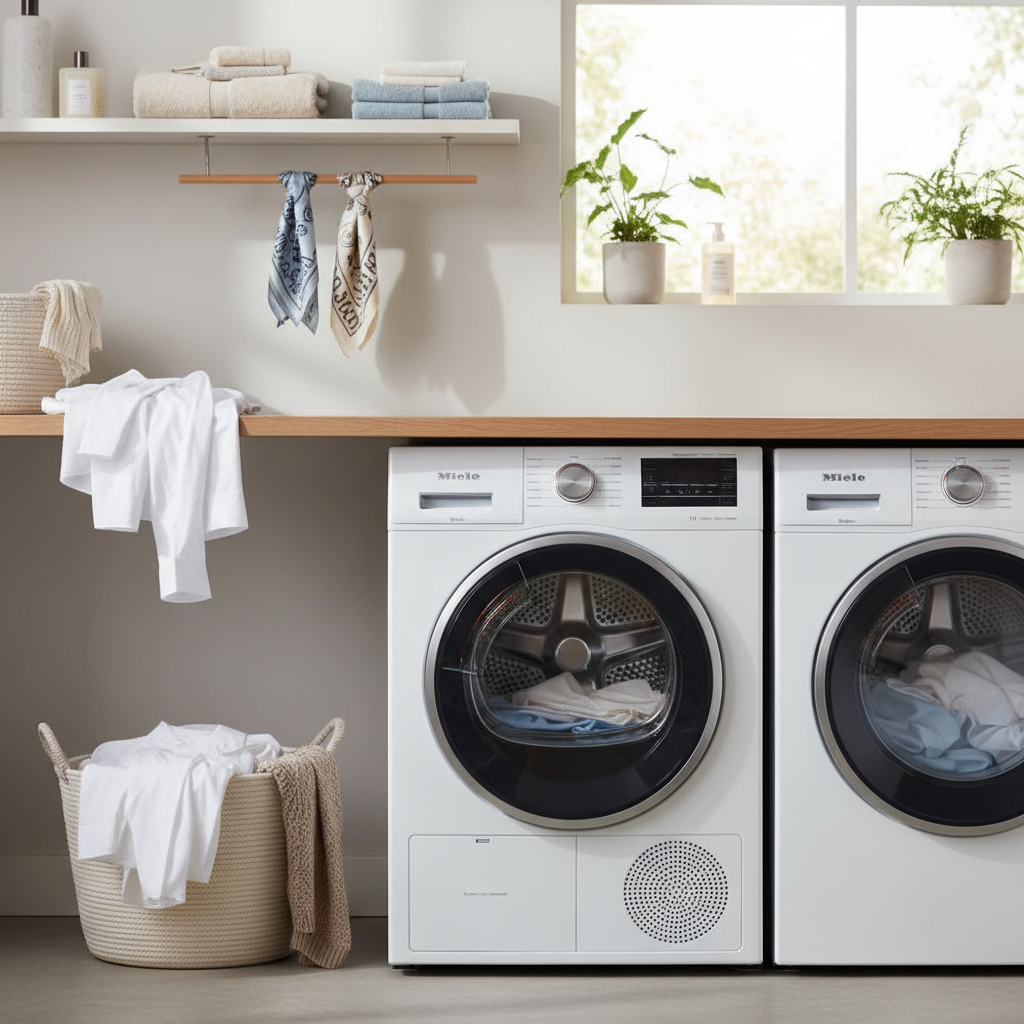
In today’s fast-paced world, where every minute counts, the mundane task of laundry often gets pushed to the bottom of the to-do list. However, modern innovation has transformed even this chore, ushering in the era of smart dryers with WiFi app control. These advanced appliances aren’t just about drying clothes; they’re about seamless integration into your smart home, offering unparalleled convenience, efficiency, and superior fabric care. Imagine starting a load from your office, receiving a notification when your clothes are perfectly dry, or even diagnosing an issue remotely. This comprehensive guide will walk you through everything you need to know to choose the best smart dryer to simplify your life and optimize your laundry routine.
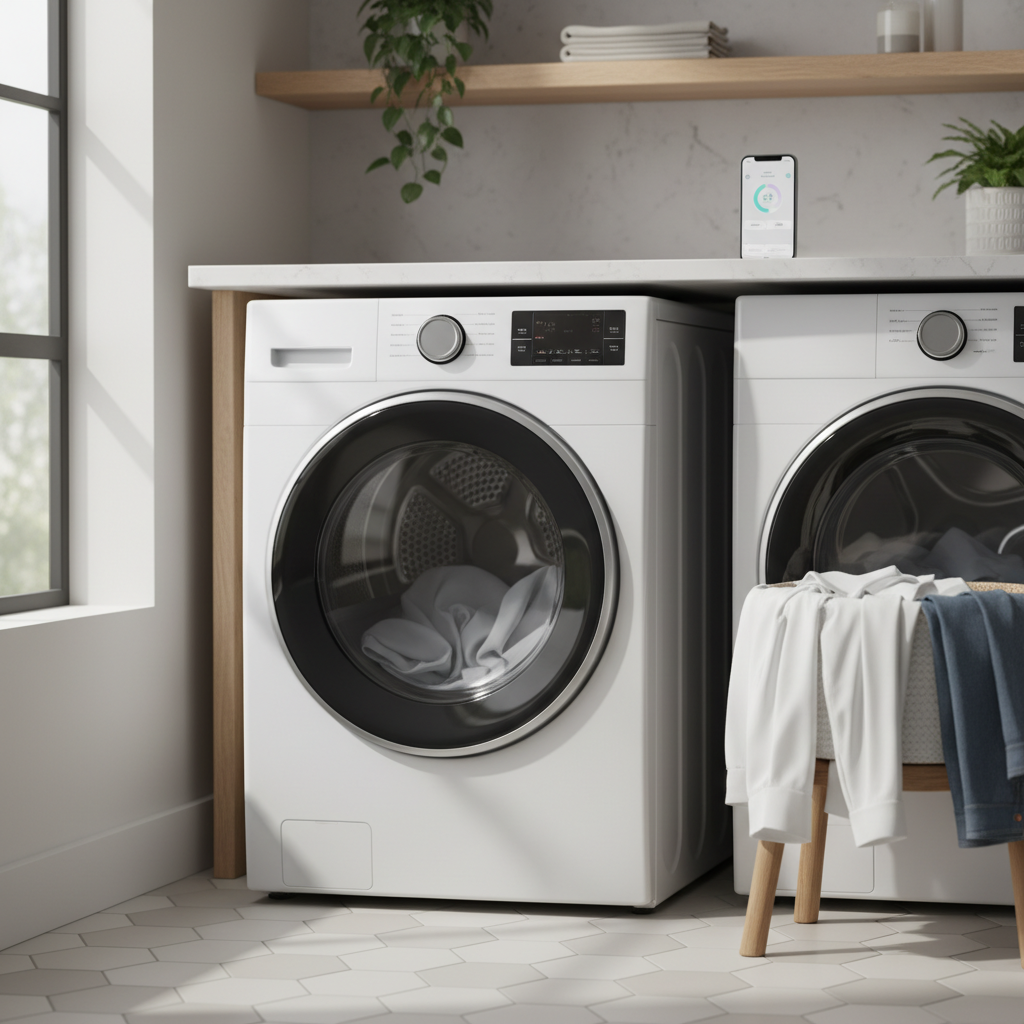
Types of Clothes Dryers
Before diving into the smart features, it’s essential to understand the fundamental types of clothes dryers available, as smart technology can be integrated into any of these models. Each type boasts different operational principles, energy consumption, and installation requirements.
- Vented Dryers: These are the most common and traditionally affordable dryers. They operate by heating air and tumbling clothes, then expelling the hot, moist air outside through an exhaust vent. While cost-effective upfront, they require external venting, which can limit installation locations, and are generally less energy-efficient than closed-loop systems.
- Condenser Dryers: Ideal for homes without external venting capabilities, condenser dryers cool the moist air from the drum, converting the water vapor back into liquid. This collected water is then either stored in a removable reservoir that needs to be emptied or drained automatically. They offer installation flexibility but can take longer to dry and consume more energy than their heat pump counterparts.
- Heat Pump Dryers: Representing the pinnacle of energy efficiency, heat pump dryers use a closed-loop system to heat and dehumidify air, recirculating it through the drum. This gentle, low-temperature drying is kinder to fabrics and dramatically reduces energy consumption compared to vented or condenser models. Although they typically have a higher initial purchase price, the long-term energy savings are substantial, and they require no external venting.
Regardless of the drying mechanism, WiFi connectivity and app control are available across these types, allowing you to enjoy smart functionalities adapted to your chosen dryer’s core technology.
How to Choose the Best Smart Dryer with WiFi App Control
Selecting the perfect smart dryer involves a thoughtful consideration of your household’s unique laundry habits, available space, and desired technological enhancements. Here’s a breakdown of the key factors:
- Determine Your Usage Needs: Your household size and laundry frequency should dictate the capacity you need. A dryer with a capacity of 7.0 cubic feet or more is often recommended for large families or those who wash bulky items frequently, ensuring ample space for efficient tumbling. Smaller households might find a 4.0 to 6.0 cubic feet model perfectly adequate.
- Capacity: Ensure the dryer’s capacity aligns with your washing machine to avoid unbalanced loads or needing to split wet laundry. A slightly larger dryer than your washer is often ideal, allowing clothes to tumble freely for faster and more even drying.
- Essential Smart Features: While WiFi connectivity is central, explore the specific app functionalities that will genuinely enhance your life:
- Remote Start/Stop and Cycle Selection: The ability to control your dryer from anywhere via your smartphone.
- Cycle Status Notifications: Get alerts when a load is finished, preventing clothes from sitting too long and wrinkling.
- Energy Monitoring: Track your energy consumption patterns to identify savings opportunities.
- Downloadable Cycles: Some apps offer specialized cycles not available on the dryer’s physical panel, providing greater versatility.
- Smart Moisture Sensing: Advanced sensors detect fabric moisture and automatically adjust drying time, preventing over-drying and conserving energy.
- Remote Diagnostics: Receive alerts and even self-troubleshooting advice through the app if an issue arises.
- Reputable Brands: Focus on brands known for reliability and smart home integration. LG, Samsung, Whirlpool, GE, and Electrolux consistently deliver high-quality smart dryers with robust app ecosystems.
- Budget: Smart dryers typically range from $800 to over $2,000. While the initial investment for a smart model might be higher, consider the long-term value provided by energy efficiency (especially with heat pump models) and the sheer convenience.
|
Our Picks for the Best Clothes dryer in 2026
As an Amazon Associate I earn from qualifying purchases.
|
||
| Num | Product | Action |
|---|---|---|
| 1 | MOJOCO Portable Clothes Dryer - Mini/Compact Dryer for Apartment, RV, Travel - Small Quiet Fast-Drying Machine with Adjustable Timer & Hassle-Free Setup |

|
| 2 | HOMIDEC Clothes Drying Rack, Oversized 4-Tier(67.7" High) Foldable Stainless Steel Drying Rack Clothing, Movable Drying Rack with 4 castors, 24 Drying Poles and 14 Hooks for Bed Linen, Clothing, Grey |
|
| 3 | Amazon Basics Foldable Portable Clothes Drying Rack for Indoor Air Drying, Collapsible Design, 14.5" D x 29.5" W x 41.8" H, White |
|
| 4 | Sakugi Clothes Drying Rack, Foldable 2-Level Laundry Drying Rack with Height-Adjustable Wings, for Clothing & Bedding, Free-Standing Space-Saving Rack, Indoor & Outdoor, 55.5" L × 22.8" W, Gray |
|
| 5 | BLACK+DECKER BCED37 Compact Dryer for Standard Wall Outlet, Small, 4 Modes, Load Volume 13.2 lbs., White |
|
| 6 | Kenmore 7.0 cu. ft. Front Load Electric Dryer - with Guard to Reduce Wrinkles & Static - Smart Sensor Drying - LED - White |
|
| 7 | GE PROFILE 7.2 cu. ft. Vented Electric Dryer in White with Auto Dry and Extended Tumble |
|
| 8 | Portable Clothes Dryer, 900W Fast Drying & Large Load Capacity for Laundry and Shoes - Compact Mini Dryer Machine for Travel, Apartments, RV, Dorm Blue |
|
| 9 | Euhomy Dryer, 3.5 Cu. Ft. 1500W Clothes Dryer, Stainless Steel Tumble Dryer with Exhaust Hose for Home, Apartment, Dorm, White |
|
| 10 | Drying Rack Clothing, 3-Tier Clothes Drying Rack Foldable, Antirust Laundry Drying Rack Collapsible Use for Indoor & Outdoor, 11.8" D x 34.6" W x 35.4" H, White |
|
“A smart dryer revolutionizes laundry day by offering unparalleled control and efficiency. It’s not just about drying clothes; it’s about smart fabric care, energy optimization, and giving you back precious time.” – Dr. Elena Petrova, Home Appliance Innovation Lead.
Table Comparing Top Smart Dryers with WiFi App Control
To assist you in making an informed decision, here’s a detailed comparison of popular smart dryer models known for their Wi-Fi capabilities and advanced features.
| Feature | LG DLEX9000V Smart Electric Dryer | Samsung DVE50BG8300EA3 Smart Electric Dryer | Whirlpool WED96HEAW Smart Electric Dryer | GE Profile PTD90ETRSN Smart Electric Dryer |
|---|---|---|---|---|
| Capacity | 9.0 cu. ft. | 7.4 cu. ft. | 7.4 cu. ft. | 7.8 cu. ft. |
| Drying Type | Vented | Vented | Vented | Vented |
| Smart Features | ThinQ App, SmartDiagnosis, FlowSense | SmartThings App, AI Optimal Dry, Energy Monitoring | Whirlpool App, Wrinkle Shield™, FanFresh® | SmartHQ App, Adaptive My Cycles, Quick Dry |
| Key Highlights | Large Capacity, SteamFresh, TurboSteam | Multi-Steam, Sensor Dry, Reversible Door | Advanced Moisture Sensing, Intuitive Controls | Microban® Antimicrobial Technology, Sanitize Cycle |
| Approx. Price | $1,300 – $1,600 | $1,000 – $1,300 | $900 – $1,200 | $1,100 – $1,400 |
Note: Prices are illustrative and subject to change based on retailers, promotions, and regional availability. Features can vary by specific model iteration.
Using and Maintaining Your Smart Clothes Dryer
To ensure your smart dryer operates at peak performance and longevity, proper usage and consistent maintenance are crucial. These practices also help maintain the efficiency of its smart functionalities.
- Consult Your Manual: Always begin by thoroughly reading the user manual specific to your dryer model. It contains essential guidance on optimal load sizes, cycle settings, and specific maintenance routines tailored to your appliance’s smart features and Wi-Fi connectivity.
- Avoid Overloading: Resist the temptation to stuff the dryer. Overloading restricts airflow, reduces drying efficiency, strains the motor, and can prevent moisture sensors from working accurately, leading to longer drying times and increased energy use.
- Clean the Lint Filter with Every Load: This is perhaps the most critical maintenance task. A clogged lint filter drastically reduces airflow, extending drying times, wasting energy, and posing a significant fire hazard. For smart dryers, a clean filter ensures accurate sensor readings.
- Inspect and Clean Exhaust Vents (Vented Dryers): For vented models, periodically check and clean the exhaust vent. Lint can accumulate in the ductwork over time, impairing efficiency and creating a fire risk. Professional vent cleaning every 1-2 years is highly recommended.
- Empty Water Reservoirs (Condenser/Heat Pump Dryers): If your dryer collects water in a reservoir, ensure it is emptied after each load or regularly if connected to a drain. Blockages can interrupt the drying cycle.
- Clean Moisture Sensors: The metal strips or bars inside your dryer drum that detect moisture levels can get coated with fabric softener or dryer sheet residue. Gently clean them periodically with a soft cloth and rubbing alcohol for accurate readings.
- Keep Software Updated: Regularly check for and install software updates for your dryer’s app and firmware. These updates often bring performance improvements, new features, and crucial security enhancements, ensuring your smart functionalities remain seamless.
Adhering to these maintenance steps will significantly extend the life of your smart dryer and ensure it continues to deliver convenient, efficient performance.
Tips for Saving Energy with a Smart Clothes Dryer
Smart dryers offer more than just convenience; they provide intelligent ways to minimize your energy footprint and reduce utility costs. Leverage these tips to maximize your savings:
- Maximize Sensor Dry Settings: Always opt for the “Sensor Dry” or similar automatic cycle settings. These utilize smart moisture sensors to detect when clothes are dry and automatically stop the cycle, preventing wasteful over-drying. Avoid relying solely on timed drying unless necessary.
- Optimize Load Sizes: While it’s important not to overload, running very small loads is also inefficient. Aim for full, but not overly packed, loads that are appropriately sized for your dryer’s capacity.
- Prioritize a High Spin Cycle in Your Washer: The more water your washing machine can extract from clothes, the less work your dryer needs to do. Select the highest spin speed suitable for your fabrics in the wash cycle to reduce drying time and energy consumption.
- Utilize Off-Peak Energy Hours: If your utility provider offers variable electricity rates, use your smart dryer’s app to schedule cycles during off-peak hours when electricity is cheaper. This feature can lead to significant cost savings over time.
- Clean the Lint Filter Religiously: A clean lint filter is paramount for efficient drying. A clogged filter restricts airflow, forcing the dryer to work harder and longer, which dramatically increases energy use.
- Sort Laundry Thoughtfully: Dry similar fabric weights and types together. Heavy items like jeans and towels take longer to dry than lighter garments. Mixing them leads to over-drying the lighter items or under-drying the heavier ones, both wasting energy.
- Consider Lower Heat Settings: While it extends the drying time slightly, using lower heat settings consumes less energy and is gentler on your clothes, helping them last longer. Your smart dryer app often provides precise control over heat levels.
By integrating these practices with your smart dryer’s capabilities, you can achieve remarkable energy savings without compromising on dry clothes.
Where to Buy a Smart Clothes Dryer
When you are ready to purchase a smart clothes dryer, selecting a reliable retailer is just as important as choosing the right model. Knowing where to look ensures a smooth buying experience, from selection to installation.
- Major Appliance Retailers: Big-box stores such as Best Buy, Lowe’s, and The Home Depot are primary destinations. They offer extensive showrooms to view models, knowledgeable sales staff, and comprehensive services including delivery, installation, and removal of old appliances. These retailers frequently have competitive sales events and financing options.
- Online Marketplaces: Websites like Amazon, Wayfair, and the official brand websites (e.g., LG.com, Samsung.com) provide vast selections, detailed product specifications, and customer reviews. Online shopping allows for convenient comparison shopping and often includes free delivery, though it’s crucial to verify installation services and return policies for large appliances.
- Local Appliance Stores: Smaller, independent appliance dealers can offer a more personalized shopping experience. They often have dedicated customer service, unique local promotions, and expertise specific to the community.
- Warehouse Clubs: Retailers such as Costco and Sam’s Club occasionally feature appliance bundles or individual units at attractive prices, often including extended warranty benefits.
Before finalizing your purchase, compare prices across different retailers, check delivery and installation charges, understand warranty details, and review customer feedback to ensure you’re making the best decision for your home.
Conclusion
Integrating a smart dryer with WiFi app control into your home is more than an appliance upgrade; it’s an investment in modern living. These intelligent machines deliver unparalleled convenience, allowing you to manage laundry cycles from virtually anywhere, receive timely notifications, and harness advanced sensors for optimal energy efficiency and fabric care. From the eco-conscious appeal of heat pump technology to the sheer ease of remote diagnostics, smart dryers redefine what’s possible in your laundry room.
By carefully considering your needs, exploring the innovative features offered by leading brands, and embracing smart maintenance practices, you can choose a smart dryer that not only simplifies your chores but also elevates your daily life. Are you ready to embrace the future of laundry and transform your home?
Frequently Asked Questions
Are smart dryers with WiFi worth the investment?
Absolutely. For many, the value extends beyond the initial cost. Smart dryers offer significant convenience through remote control and notifications, helping to prevent wrinkles and save time. Their advanced moisture sensing and energy monitoring features can also lead to substantial savings on utility bills over the appliance’s lifespan, making them a worthwhile investment for a more efficient and connected home.
How do smart dryers help conserve energy?
Smart dryers excel at energy conservation by employing sophisticated moisture sensors that accurately detect when clothes are dry and automatically shut off the machine. This prevents wasteful over-drying. Additionally, their accompanying apps often provide energy consumption data and allow users to schedule cycles during off-peak electricity hours, further optimizing energy usage and reducing environmental impact.
What are the primary functions of a smart dryer’s mobile app?
The mobile app for a smart dryer typically offers a suite of powerful functionalities designed to enhance user control and convenience. Key features include remote starting and stopping of cycles, real-time notifications for cycle completion or lint filter status, comprehensive energy usage tracking, access to specialized downloadable drying cycles, and integrated diagnostic tools for self-troubleshooting and maintenance alerts.