Choosing the right dryer vent hose is far more important than many homeowners realize. It’s not just about getting hot, moist air out of your laundry room; it’s a critical safety decision that impacts your home’s fire prevention, energy efficiency, and even indoor air quality. With an overwhelming number of options on the market, understanding the differences between popular types like rigid metal and flexible foil can be confusing. This article will cut through the noise, providing a comprehensive guide to help you select the safest and most efficient dryer vent hose for your home.
Understanding Dryer Vent Hoses: More Than Just a Tube
Your dryer vent acts as the exhaust system for your appliance, expelling hot air, moisture, and highly flammable lint generated during the drying cycle. When this system operates correctly, it ensures your clothes dry efficiently and your home remains safe from hazards. However, a compromised or incorrectly installed vent can lead to serious issues, including decreased dryer performance, higher energy bills, moisture damage, and, most critically, an increased risk of house fires. The National Fire Protection Agency (NFPA) reported thousands of dryer-related fires annually, causing injuries, fatalities, and millions in property damage, highlighting the crucial role of proper venting.
The Contenders: Rigid Metal vs. Flexible Foil
When you’re looking to install or replace your dryer vent hose, you’ll primarily encounter two main categories: rigid metal and flexible foil. While both serve the same basic function, their construction, performance, and safety profiles vary significantly. A third option, semi-rigid metal, offers a middle ground, often used for transitions. Understanding the distinct characteristics of each is essential for making an informed decision.
Deep Dive: Rigid Metal Dryer Vent Hoses
Rigid metal ducts, typically made from galvanized steel or aluminum, are widely considered the gold standard for dryer venting systems. Their robust construction and smooth interior surfaces make them the preferred choice for safety and long-term performance.
What They Are
|
Our Picks for the Best Clothes dryer in 2026
As an Amazon Associate I earn from qualifying purchases.
|
||
| Num | Product | Action |
|---|---|---|
| 1 | Drying Rack Clothing, 3-Tier Clothes Drying Rack Foldable, Antirust Laundry Drying Rack Collapsible Use for Indoor & Outdoor, 11.8" D x 34.6" W x 35.4" H, White |

|
| 2 | Kenmore 7.0 cu. ft. Front Load Electric Dryer - with Guard to Reduce Wrinkles & Static - Smart Sensor Drying - LED - White |
|
| 3 | GE PROFILE 7.2 cu. ft. Vented Electric Dryer in White with Auto Dry and Extended Tumble |
|
| 4 | Euhomy Dryer, 3.5 Cu. Ft. 1500W Clothes Dryer, Stainless Steel Tumble Dryer with Exhaust Hose for Home, Apartment, Dorm, White |
|
| 5 | BLACK+DECKER BCED37 Compact Dryer for Standard Wall Outlet, Small, 4 Modes, Load Volume 13.2 lbs., White |
|
| 6 | Portable Clothes Dryer, 900W Fast Drying & Large Load Capacity for Laundry and Shoes - Compact Mini Dryer Machine for Travel, Apartments, RV, Dorm Blue |
|
| 7 | Sakugi Clothes Drying Rack, Foldable 2-Level Laundry Drying Rack with Height-Adjustable Wings, for Clothing & Bedding, Free-Standing Space-Saving Rack, Indoor & Outdoor, 55.5" L × 22.8" W, Gray |
|
| 8 | MOJOCO Portable Clothes Dryer - Mini/Compact Dryer for Apartment, RV, Travel - Small Quiet Fast-Drying Machine with Adjustable Timer & Hassle-Free Setup |
|
| 9 | HOMIDEC Clothes Drying Rack, Oversized 4-Tier(67.7" High) Foldable Stainless Steel Drying Rack Clothing, Movable Drying Rack with 4 castors, 24 Drying Poles and 14 Hooks for Bed Linen, Clothing, Grey |
|
| 10 | Amazon Basics Foldable Portable Clothes Drying Rack for Indoor Air Drying, Collapsible Design, 14.5" D x 29.5" W x 41.8" H, White |
|
These ducts are solid, unyielding pipes with smooth inner walls, designed for straight runs or gentle bends achieved with rigid elbows. They are a permanent fixture in your home’s ventilation system, often concealed within walls, floors, or ceilings.
Pros
- Superior Safety: Rigid metal ducts are non-combustible and can withstand high temperatures, significantly reducing fire risks. Their smooth interiors prevent lint from accumulating, which is the primary cause of dryer fires.
- Optimal Airflow: The smooth interior surfaces create minimal friction, allowing air, moisture, and lint to pass through freely and efficiently. This reduces the strain on your dryer, improves drying times, and lowers energy consumption.
- Exceptional Durability: Made from sturdy metals, these ducts are highly resistant to crushing, kinking, and tearing, ensuring a long lifespan and consistent performance.
- Code Compliance: Rigid metal ducts meet or exceed most building code requirements, including UL 2158A certification for clothes dryer venting. They are the only suitable material for concealed installations.
Cons
- Installation Complexity: Due to their lack of flexibility, rigid ducts can be more challenging to install, especially in tight spaces or around multiple obstacles. They often require precise measurements and specialized tools, sometimes necessitating professional assistance.
- Higher Cost: The materials and installation of rigid metal ducts are typically more expensive than flexible options, though this upfront cost is offset by increased safety and efficiency over time.
- Less Adaptable: Once installed, rigid ductwork is not easily reconfigured, making it less suitable for homes where the dryer might be frequently moved or relocated.
Deep Dive: Flexible Foil Dryer Vent Hoses
Flexible foil ducts, usually made from thin aluminum foil reinforced with a spiral wire, are a common sight in many laundry rooms due to their low cost and ease of installation. However, their perceived convenience comes with significant safety and efficiency drawbacks.
What They Are
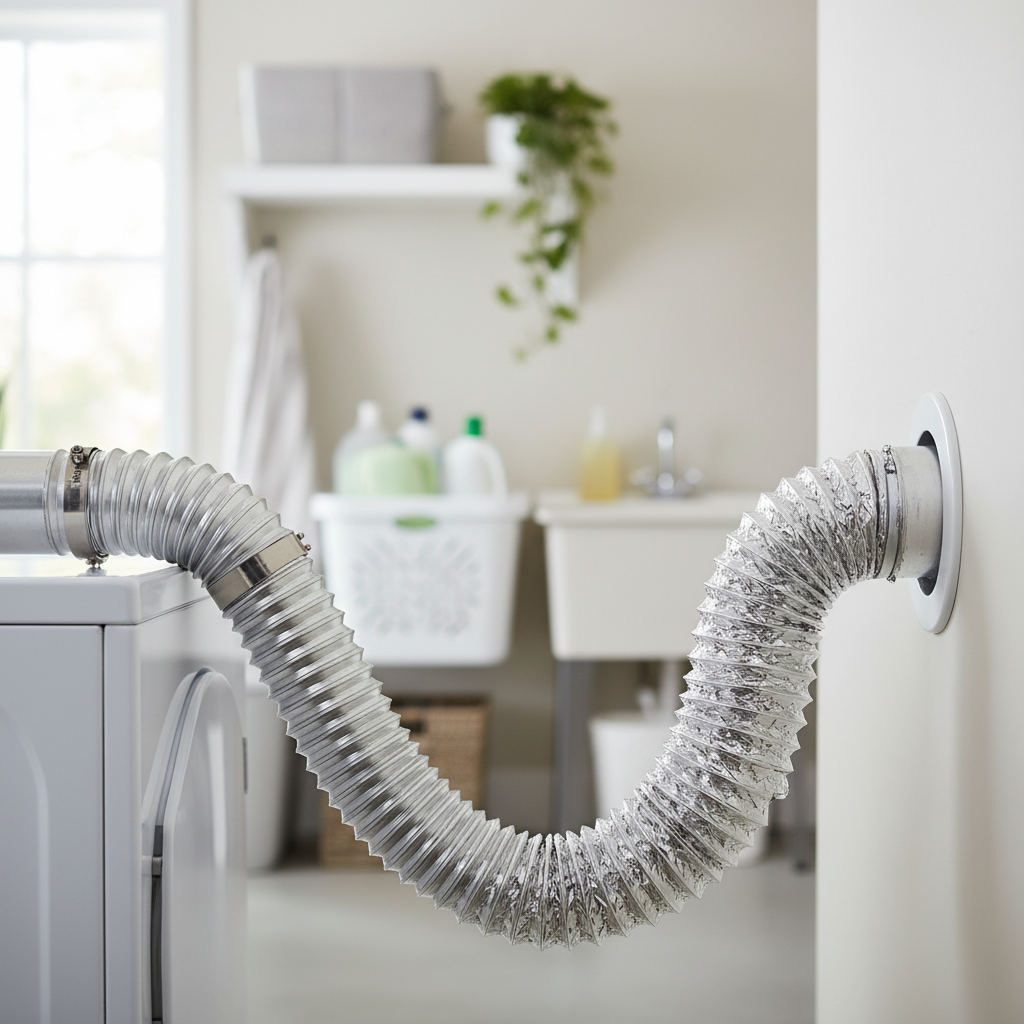
These hoses are characterized by their accordion-like, ribbed structure, allowing them to bend and compress. While convenient for connecting the dryer to the main vent, they are typically not designed for the entire duct run.
Pros
- Cost-Effective: Flexible foil hoses are generally the cheapest option available, making them an attractive choice for budget-conscious homeowners.
- Easy Installation: Their flexibility makes them simple to maneuver and connect, especially in situations where the dryer and wall vent are not perfectly aligned. They are often considered DIY-friendly for short transitions.
- Temporary/Short Transitions: When used in very short, exposed lengths (typically 8 feet or less), they can serve as a transition duct from the dryer outlet to a rigid main duct, provided they are UL-listed and allowed by local codes.
Cons
- Significant Fire Hazard: The ribbed interior of flexible foil ducts acts as a trap for lint, allowing it to accumulate quickly and create blockages. Lint is highly flammable, and the foil material itself can easily ignite or melt under heat, exacerbating fire risks.
- Poor Airflow and Efficiency: The uneven, corrugated surface creates substantial air resistance, restricting airflow. This forces your dryer to work harder, increasing drying times and energy consumption.
- Less Durable: Thin foil is prone to puncturing, tearing, and crushing, which further impedes airflow and can lead to dangerous lint buildup.
- Not Code Compliant for Main Runs: Most modern building codes prohibit the use of flexible foil ducts for the entire dryer vent system or for runs concealed within walls, floors, or ceilings due to their safety hazards. They are generally only permitted as short, exposed transition ducts.
The Hybrid Solution: Semi-Rigid Metal Hoses
Semi-rigid metal ducts, also primarily made of aluminum, represent a middle ground between the full flexibility of foil and the stiffness of rigid pipes. They offer a balance of features that can be beneficial in specific installation scenarios.
What They Are
These ducts are more flexible than rigid pipes but more substantial and smoother than foil hoses. They retain some corrugation internally but are less prone to crushing than flexible foil.
Pros
- Balance of Flexibility and Durability: Semi-rigid hoses are easier to bend and shape than rigid pipes, making installation simpler in moderately challenging spaces. They are also more resistant to crushing and tearing than flexible foil.
- Improved Airflow over Foil: While not as smooth as rigid ducts, their interiors are smoother than those of foil hoses, leading to better airflow and less lint accumulation.
- Good for Transitions: They are a suitable choice for the transition ducting that connects the dryer to the main rigid vent, particularly when some bending is necessary.
Cons
- Still Has Corrugation: Despite being smoother than foil, semi-rigid ducts still have internal corrugation that can trap lint over time, requiring regular cleaning.
- Not Ideal for Long Runs or Concealed Spaces: Like flexible foil, semi-rigid ducts are generally not recommended or permitted by code for long, main vent runs or concealed installations, due to potential crushing and lint trapping. They should primarily be used for short, exposed lengths (typically under 8 feet) if allowed by local code.
Building Codes and Safety Standards: What You Need to Know
Dryer vent code requirements are not arbitrary rules; they are critical safeguards designed to prevent house fires and carbon monoxide poisoning. Adhering to these regulations is paramount for home safety.
“Dryer vent code requirements aren’t just bureaucratic red tape; they are strict rules put in place to prevent house fires and even carbon monoxide poisoning. These regulations get specific about the materials, length, and termination points for your dryer’s exhaust system to keep it running safely.”
Here are the key aspects of dryer vent code compliance:
- Proper Materials: The International Residential Code (IRC) and International Mechanical Code (IMC) typically mandate that dryer ducts be constructed of smooth-walled, rigid metal (galvanized steel or aluminum) at least 0.016 inches thick, with a minimum interior diameter of 4 inches. Flexible plastic or foil ducts are generally prohibited for main runs and cannot be concealed within walls or floors.
- Maximum Length: The maximum developed length of a 4-inch diameter exhaust vent should not exceed 35 feet from the dryer to the termination point. This length is reduced by 2.5 feet for each 45-degree bend and 5 feet for each 90-degree bend. Exceeding these lengths can necessitate a booster fan, installed according to manufacturer specifications and local codes.
- Secure Connections: All duct sections must be connected mechanically, ideally with metal foil tape to create an airtight seal. Crucially, screws should never be used, as they protrude into the duct, snag lint, and create fire hazards.
- Correct Termination: The vent must terminate to the exterior of the building (not into attics, crawl spaces, or interior walls) with a proper exhaust hood. The termination cap must be equipped with a back-draft damper and must not have a screen, which can easily clog with lint and create a blockage. It should also be at least 3 feet away from windows, doors, and air intakes.
- Prohibited Materials: Flexible plastic (vinyl) ducts are particularly dangerous and banned by most building codes due to their flammability and tendency to trap lint. You will not find UL-listed products made of plastic for dryer venting.
Choosing the Best Vent Hose for Your Home
Selecting the ideal dryer vent hose involves weighing several factors, with safety and efficiency as top priorities.
- Length of Run: For long, straight runs or any portion concealed within walls, rigid metal ducts are the safest and most code-compliant option.
- Accessibility: If your dryer is in a tight space or requires complex routing, a short section of UL-listed semi-rigid metal duct can be used for the immediate transition from the dryer to the main rigid duct, provided it remains exposed and meets length requirements. Flexible foil should only be considered for very short, exposed transitions if permitted by local codes and if replaced frequently.
- Budget: While flexible foil is the cheapest upfront, the potential costs of increased energy bills, dryer repairs, or fire damage far outweigh the savings. Investing in rigid or semi-rigid metal offers long-term value and peace of mind.
- Safety Priorities: If safety is your primary concern (and it should be), rigid metal ducts are the clear winner. They offer the best fire prevention and airflow.
- Local Codes: Always check your local building codes. They can have specific requirements or amendments that override general recommendations. When in doubt, consult a licensed HVAC contractor or a certified dryer exhaust technician.
Recommendations:
- For the main exhaust duct run (especially if concealed): Always opt for rigid metal ducts made of galvanized steel or aluminum.
- For the transition from the dryer to the main duct: Use a short, exposed section of semi-rigid metal duct or a UL-listed flexible aluminum foil duct (maximum 8 feet), ensuring it is not crushed or kinked.
- Avoid: Plastic or vinyl ducts should never be used under any circumstances.
Maintenance Tips for Your Dryer Vent System
Regardless of the type of vent hose you choose, regular maintenance is essential to ensure safety and efficiency.
- Clean Regularly: Lint buildup is the leading cause of dryer fires. Clean your dryer’s lint screen after every load and clean the entire vent system at least once a year, or more frequently if you notice longer drying times. Consider a professional cleaning for longer or more complex runs.
- Inspect for Damage: Periodically check your vent hose for kinks, crushes, tears, or disconnections, particularly for flexible and semi-rigid options. Replace damaged hoses immediately.
- Ensure Proper Connections: Verify that all connections are secure with metal clamps and foil tape, and that no screws are protruding into the ductwork.
- Check the Exterior Vent Cap: Make sure the exterior vent cap is free of lint, debris, and any screens, allowing for unobstructed airflow.
Conclusion
The choice between rigid metal and flexible foil dryer vent hoses boils down to a fundamental trade-off between initial convenience and long-term safety and efficiency. While flexible foil hoses may seem like an easy and affordable solution, their propensity for lint buildup and higher flammability risks make them a significant fire hazard, and they are largely prohibited by modern building codes for permanent installations. Rigid metal ducts, with their smooth interiors, durability, and superior airflow, stand out as the safest and most efficient choice for your home, particularly for the main exhaust system.
Prioritizing rigid metal for your dryer vent ensures optimal performance, reduces energy waste, and, most importantly, protects your family from the serious risks associated with improper dryer venting. Don’t compromise on safety for a few dollars or a slightly easier installation.
What steps will you take today to ensure your dryer vent system is safe and compliant?
Frequently Asked Questions
Can I use flexible foil duct for my entire dryer vent run?
No, it is generally not recommended or permitted by most building codes. Flexible foil ducts easily trap lint, restrict airflow, and are highly flammable, creating a significant fire hazard. They should only be used as short, exposed transition ducts, typically less than 8 feet, if explicitly allowed by local codes and your dryer’s manufacturer.
What are the signs of a clogged dryer vent?
Common signs of a clogged dryer vent include clothes taking longer to dry, clothes feeling unusually hot to the touch after a cycle, the dryer itself becoming excessively hot, a burning smell, and visible lint accumulation around the dryer or outside vent. These are critical indicators that your vent needs immediate cleaning.
How often should I clean my dryer vent?
It is recommended to clean your dryer vent system at least once a year. However, if you use your dryer frequently, have pets, or notice any signs of a clog, you should clean it more often. Regular maintenance helps prevent lint buildup and ensures safe operation.
Why are plastic dryer vents prohibited?
Plastic (vinyl) dryer vents are prohibited by most modern building codes because they are highly flammable and prone to melting under the high heat generated by a dryer, especially if lint begins to accumulate. Their ribbed interiors also trap lint easily, further increasing fire risk.
What is the maximum length for a dryer vent hose?
For rigid metal ducts, the maximum developed length typically allowed by code is 35 feet. This length is reduced by 2.5 feet for each 45-degree bend and 5 feet for each 90-degree bend in the system. Flexible transition ducts have a much shorter maximum length, often 8 feet or less.