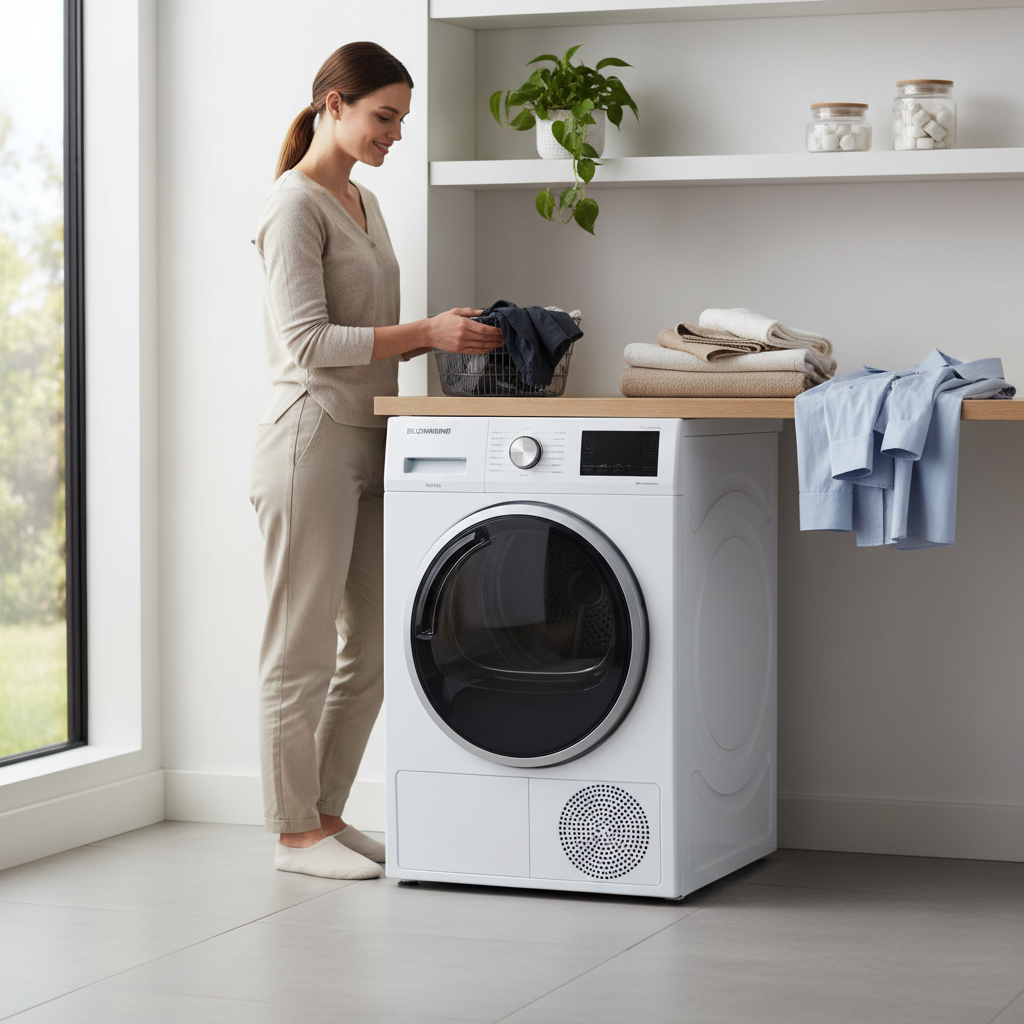
The modern laundry room is a symphony of innovation, where appliances do more than just clean and dry. As clothes dryers evolve, so do their interfaces, presenting a choice between the reassuring familiarity of mechanical knob controls and the sleek sophistication of touch screens. Each offers a distinct user experience, influencing everything from daily operation to long-term reliability. Understanding these differences is key to selecting a clothes dryer that perfectly aligns with your lifestyle, budget, and technological comfort.
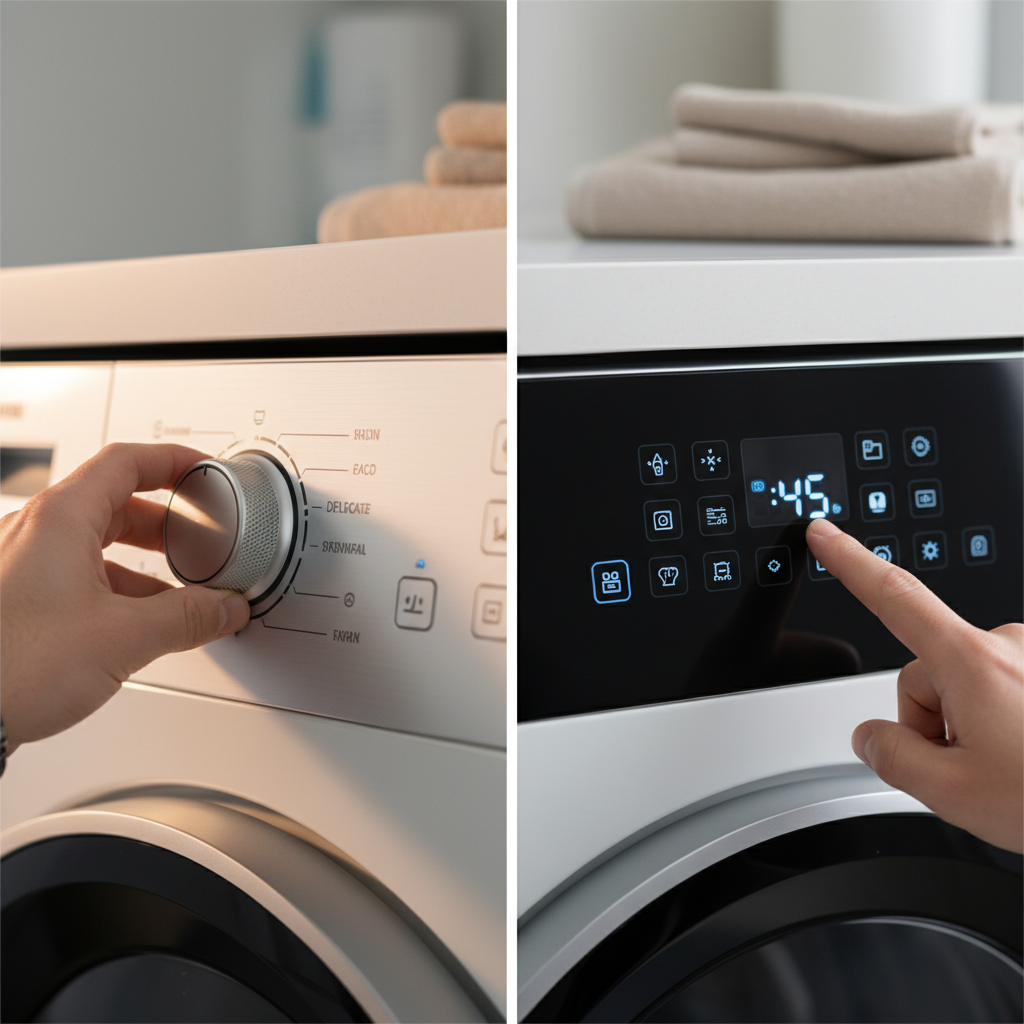
The Evolution of Dryer Interfaces
For decades, the standard clothes dryer featured mechanical knobs and push buttons, offering a straightforward and tactile way to select cycles and settings. These robust controls were simple, reliable, and instantly recognizable to generations of users. However, with the advent of smart technology and contemporary design trends, touch screen interfaces began to emerge, transforming the aesthetic and functionality of many home appliances, including clothes dryers. This shift brings with it a host of new considerations for consumers, from precision and advanced features to durability and user experience.
Knob Control Dryers: Simplicity, Durability, and Familiarity
Knob control dryers represent a traditional approach to appliance operation, emphasizing ease of use and steadfast reliability. Many users appreciate the physical feedback a knob provides, allowing for adjustments by feel without needing to constantly look at the display.
Advantages of Knob Controls
- Tactile Feedback: The satisfying click or turn of a knob provides immediate physical confirmation of a setting change, a feature often missed in touch-based systems. This can be especially useful for quick adjustments or for individuals with limited vision.
- Durability: With a simpler mechanical structure, knobs are generally considered more durable and less prone to electronic failure than complex touch screens. They can often withstand more physical wear and tear, making them a long-lasting choice.
- Ease of Use: Most people are inherently familiar with turning a knob, making these dryers straightforward and intuitive for users of all ages, minimizing any learning curve.
- Cost-Effectiveness: Due to lower manufacturing costs associated with simpler mechanical components, knob-controlled dryers typically come with a more budget-friendly price tag.
- Reliability: In environments where exposure to spills or heavy use is common, rotary switches tend to be more dependable.
|
Our Picks for the Best Clothes dryer in 2026
As an Amazon Associate I earn from qualifying purchases.
|
||
| Num | Product | Action |
|---|---|---|
| 1 | BLACK+DECKER BCED37 Compact Dryer for Standard Wall Outlet, Small, 4 Modes, Load Volume 13.2 lbs., White |

|
| 2 | Amazon Basics Foldable Portable Clothes Drying Rack for Indoor Air Drying, Collapsible Design, 14.5" D x 29.5" W x 41.8" H, White |
|
| 3 | Drying Rack Clothing, 3-Tier Clothes Drying Rack Foldable, Antirust Laundry Drying Rack Collapsible Use for Indoor & Outdoor, 11.8" D x 34.6" W x 35.4" H, White |
|
| 4 | MOJOCO Portable Clothes Dryer - Mini/Compact Dryer for Apartment, RV, Travel - Small Quiet Fast-Drying Machine with Adjustable Timer & Hassle-Free Setup |
|
| 5 | Euhomy Dryer, 3.5 Cu. Ft. 1500W Clothes Dryer, Stainless Steel Tumble Dryer with Exhaust Hose for Home, Apartment, Dorm, White |
|
| 6 | Sakugi Clothes Drying Rack, Foldable 2-Level Laundry Drying Rack with Height-Adjustable Wings, for Clothing & Bedding, Free-Standing Space-Saving Rack, Indoor & Outdoor, 55.5" L × 22.8" W, Gray |
|
| 7 | GE PROFILE 7.2 cu. ft. Vented Electric Dryer in White with Auto Dry and Extended Tumble |
|
| 8 | Kenmore 7.0 cu. ft. Front Load Electric Dryer - with Guard to Reduce Wrinkles & Static - Smart Sensor Drying - LED - White |
|
| 9 | Portable Clothes Dryer, 900W Fast Drying & Large Load Capacity for Laundry and Shoes - Compact Mini Dryer Machine for Travel, Apartments, RV, Dorm Blue |
|
| 10 | HOMIDEC Clothes Drying Rack, Oversized 4-Tier(67.7" High) Foldable Stainless Steel Drying Rack Clothing, Movable Drying Rack with 4 castors, 24 Drying Poles and 14 Hooks for Bed Linen, Clothing, Grey |
|
Disadvantages of Knob Controls
- Limited Features: Knob-based systems often have fewer advanced features and preset programs compared to their digital counterparts. Users are usually limited to manual adjustments of temperature and time.
- Less Precise Settings: While functional, mechanical knobs might offer less granular control over settings. For instance, achieving an exact temperature or minute-by-minute drying time can be challenging, potentially leading to slight margins of error.
- Maintenance for Cleanliness: The gaps around mechanical knobs can accumulate dust, lint, and grime, requiring more diligent cleaning efforts with small brushes or compressed air to maintain flexibility and hygiene.
- Aesthetic: While functional, the traditional design of knob controls might not always align with a modern, minimalist home aesthetic.
Touch Screen Dryers: Modernity, Precision, and Advanced Features
Touch screen dryers embody modern appliance design, offering a sleek look and a wealth of advanced functionalities. They transform the dryer interface into an interactive display, opening up new possibilities for customization and convenience.
Advantages of Touch Screens
- Sleek Design: Touch screens provide a smooth, flat surface that contributes to a contemporary and streamlined appliance aesthetic, often enhancing the overall look of a laundry room.
- Precise Control: Touch screens excel in offering highly precise control over drying settings. Users can input exact temperatures and times, accurate to the degree or minute, ensuring consistent and optimal results for various fabric types.
- Advanced Features: This is where touch screens truly shine. They can support complex programming, numerous preset cycles, and often smart functions like Wi-Fi connectivity, remote control via smartphone apps, and integration with smart home ecosystems.
- Intuitive Interface: Many touch screens feature a graphical interface with clear icons and visual feedback, making operations intuitive for those comfortable with modern smart devices.
- Easy Surface Cleaning: The smooth glass surface of a touch screen is generally easier to wipe clean of smudges and fingerprints compared to cleaning around physical knobs and their crevices.
Disadvantages of Touch Screens
- Higher Cost: The sophisticated electronic components and advanced displays required for touch screens typically result in higher manufacturing costs and a greater market price for these dryers.
- Sensitivity Issues: Touch screens can be sensitive to water splashes, accidental bumps, or even certain gloves, which might lead to unintended commands or temporary unresponsiveness. Some users report issues with screens not recognizing touches.
- Repair Complexity and Cost: Should a touch screen malfunction, repairs can be more complex and expensive than replacing a simple mechanical knob, sometimes requiring a full control board replacement.
- Learning Curve: While intuitive for tech-savvy individuals, those less accustomed to digital interfaces might experience a slight learning curve.
- Lack of Tactile Feedback: Without physical buttons or knobs, users might miss the immediate haptic feedback that traditional controls provide, sometimes requiring more visual attention during operation.
“The choice between knob and touch screen dryer controls isn’t just about aesthetics; it’s about matching technology to your daily routine and what feels most natural and efficient for you.” – Maria Gomez, Appliance Innovation Analyst
A Head-to-Head Comparison: Finding Your Ideal Dryer Control
| Feature | Knob Control Dryers | Touch Screen Dryers |
|---|---|---|
| Durability | Generally more durable, less prone to electronic failure, easier to repair. | Can be fragile, prone to sudden electronic issues, sensitive to spills. |
| Ease of Use | Intuitive, familiar, excellent tactile feedback, good for all ages. | Sleek graphical interface, precise input, can have a learning curve. |
| Precision | Good for general settings, but less precise for specific degrees/minutes. | High precision for temperature and time settings, accurate to the minute. |
| Features | Basic cycles, fewer advanced options. | Numerous preset programs, smart connectivity, remote control. |
| Cost | More budget-friendly due to simpler design. | Higher manufacturing and market price. |
| Aesthetics | Traditional, functional appearance. | Modern, minimalist, sleek design. |
| Maintenance | Gaps can accumulate dust, requiring detailed cleaning. | Smooth surface, easy to wipe clean, but avoid harsh chemicals. |
Choosing Your Dryer: Factors Beyond the Interface
When making your decision, consider more than just the control type itself:
- Budget: Touch screen models are typically more expensive. If budget is a primary concern, knob controls often offer excellent functionality at a lower price point.
- Household Members: For households with elderly members or small children, the straightforward operation and physical feedback of knobs might be safer and easier to manage. Touch screens often include child lock features, however, to prevent accidental activation.
- Tech-Savviness: Your comfort level with technology plays a significant role. If you embrace smart devices, a touch screen dryer will likely feel more natural. If you prefer simplicity, knobs are ideal.
- Desired Features: Do you crave smart home integration, custom cycles, and remote monitoring? A touch screen is necessary for these advanced functionalities. For basic drying needs, a knob control dryer suffices.
- Aesthetic Preferences: Do you prefer a classic, robust look or a minimalist, high-tech aesthetic for your laundry space?
Care and Longevity: Maximizing Your Dryer’s Lifespan
Regardless of the control type you choose, proper care and maintenance are crucial for extending your dryer’s lifespan.
- For Knob Controls: Regularly clean around the knobs and their bases to prevent lint and dust buildup. A small brush or compressed air can help keep the mechanical parts free from debris. Avoid harsh impacts that could damage internal components.
- For Touch Screens: Wipe the screen gently with a soft, damp cloth. Avoid abrasive cleaners or harsh chemicals, which can damage the display. Be mindful of moisture; while modern screens are robust, excessive water can still interfere with functionality.
- General Maintenance: Always clean the lint trap after every load to maintain efficiency and prevent fire hazards. Ensure proper ventilation and periodically check hoses and connections.
Where to Purchase Your Next Clothes Dryer
Reputable appliance retailers, both physical stores and trusted online platforms, are excellent places to begin your search. In physical showrooms, you can often interact directly with both knob and touch screen models, getting a feel for their operation before making a commitment. Online stores offer a wider selection and often competitive pricing, but be sure to read detailed product descriptions and customer reviews. Always verify warranty information and return policies before purchasing.
Conclusion: Your Dryer, Your Choice
The choice between a clothes dryer with knob controls and one with a touch screen ultimately comes down to personal preference, priorities, and budget. Knob controls offer tried-and-true simplicity, durability, and a familiar user experience, often at a more accessible price point. Touch screens, on the other hand, bring a modern aesthetic, precise control, and a gateway to advanced smart features that can revolutionize your laundry routine. By weighing these factors carefully, you can confidently select the clothes dryer that will best serve your household for years to come. What features are most important for your ideal laundry experience?
Frequently Asked Questions
Are touch screens on dryers reliable?
Touch screens on dryers can be highly reliable under ideal conditions, but they are more susceptible to damage from impacts, scratches, or moisture compared to physical knobs. Some users report issues with responsiveness over time.
Are knob controls more energy-efficient?
The energy efficiency of a clothes dryer is primarily determined by its drying technology (e.g., heat pump, condenser, vented) and its energy star rating, not by the type of control panel. Both knob and touch screen models can be energy-efficient.
Can touch screen dryers be integrated with smart homes?
Yes, many touch screen dryers are designed with smart home capabilities, allowing them to connect to Wi-Fi networks and integrate with smart home ecosystems for remote control, cycle notifications, and diagnostic features.
Which is better for busy households?
For busy households, the “better” option depends on priorities. Knob controls offer quick, intuitive operation without a learning curve, which can be ideal for multiple users. Touch screens with smart features can offer convenience through remote monitoring and customized cycles.
How do I clean my dryer’s control panel?
For knob controls, use a small brush or compressed air to clean around the knobs, followed by a damp cloth for the surface. For touch screens, wipe gently with a soft, damp cloth and avoid abrasive or chemical cleaners to prevent damage.