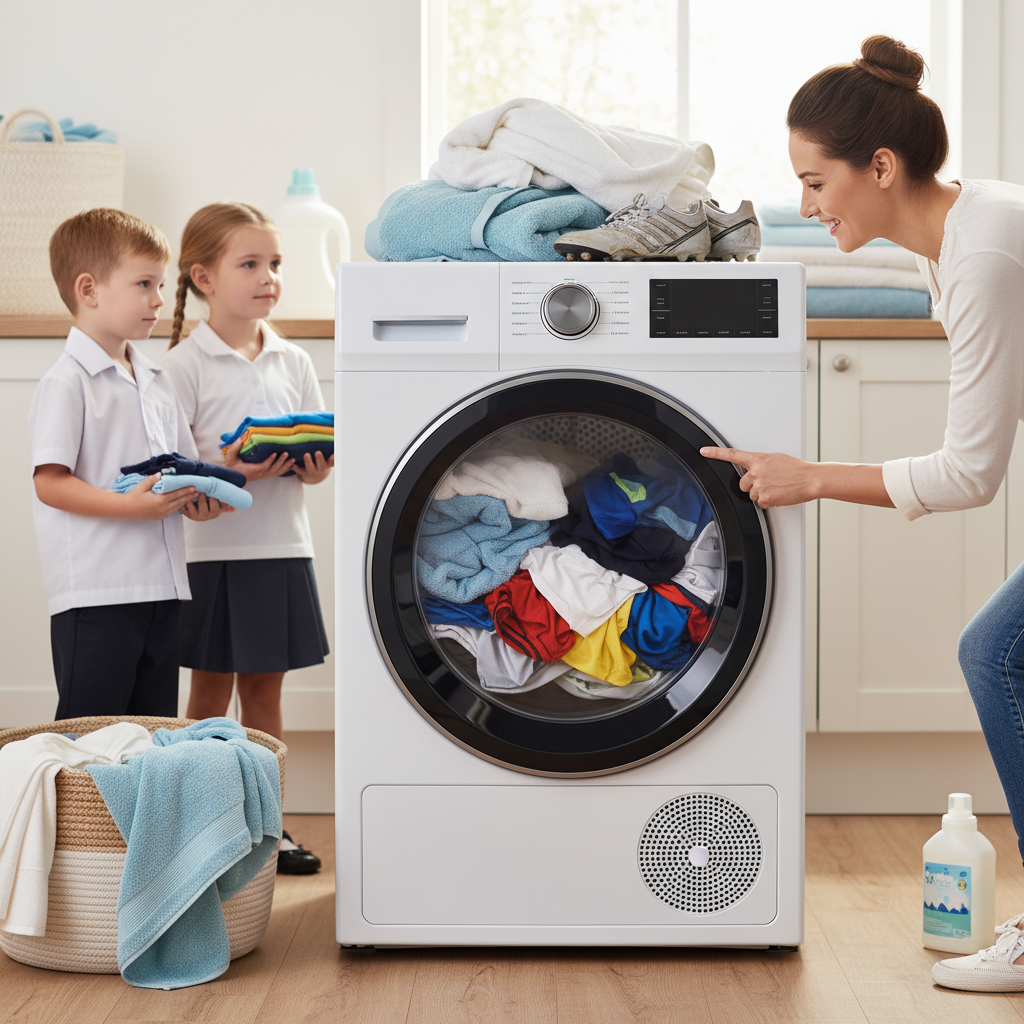
Modern clothes dryers offer an array of settings designed to make laundry day easier and more efficient. Yet, navigating these options, particularly the fundamental choice between Sensor Dry and Timed Dry, can often feel confusing. Understanding the distinct mechanisms and ideal applications of each can significantly impact not only the longevity of your garments but also your household energy consumption. This article will delve into the core differences between Sensor Dry and Timed Dry, offering insights to help you choose the optimal setting for every load and unlock your dryer’s full potential.
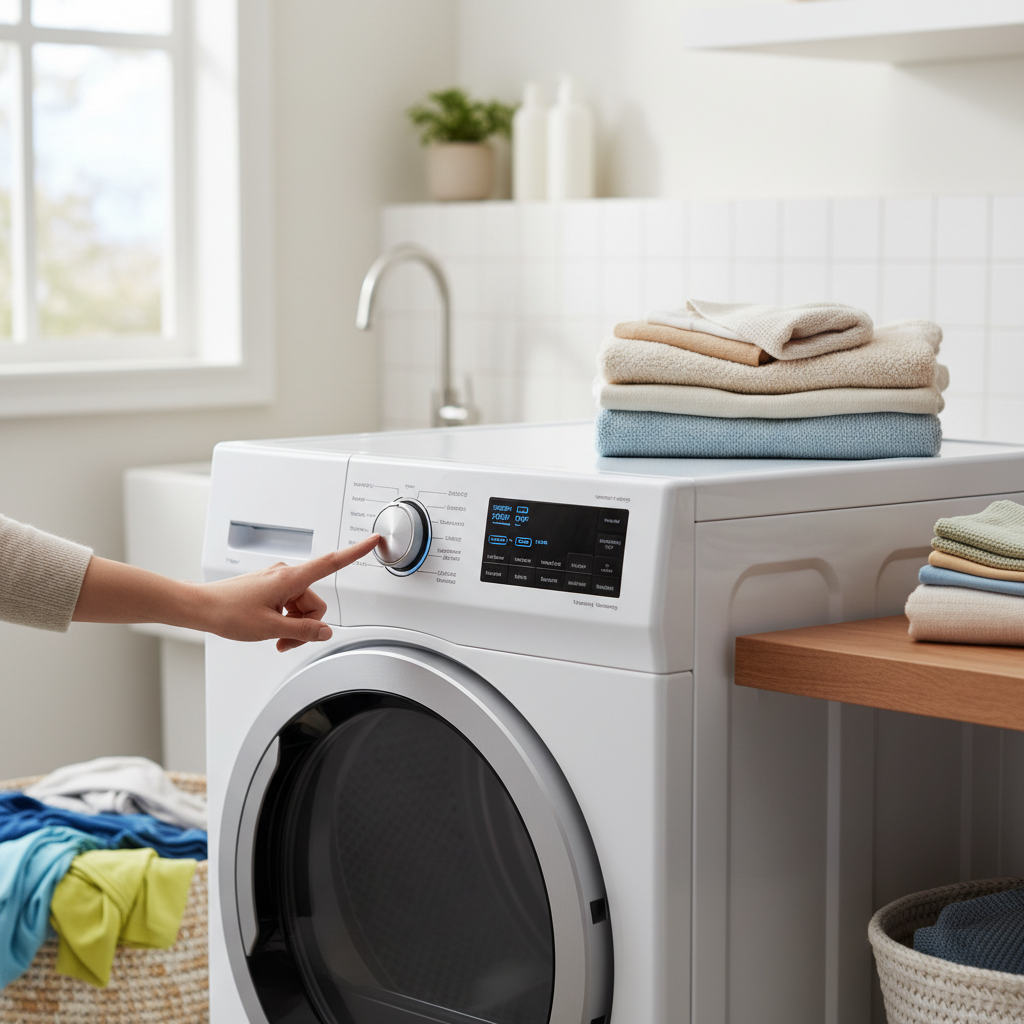
Understanding Your Dryer Settings: The Basics
At its core, a dryer’s job is to remove moisture from clothes. How it achieves this, and how it determines when the job is done, varies significantly between different settings. Choosing the right one goes beyond simply drying your clothes; it’s about protecting your fabrics from damage, minimizing wrinkles, and keeping your energy bills in check. Ignoring these settings can lead to over-drying, which can degrade fabric quality, cause shrinking, and waste electricity.
Sensor Dry: The Smart Choice
Sensor Dry is a feature found in most modern dryers that utilizes built-in moisture sensors within the drum. These sensors continuously monitor the dampness of your clothes throughout the cycle. Once the clothes reach a predetermined level of dryness, the dryer automatically shuts off, preventing unnecessary tumbling and heat exposure.
The primary benefit of Sensor Dry is its energy efficiency. By stopping precisely when clothes are dry, it avoids running longer than necessary, which can lead to significant energy savings over time. Studies indicate that moisture sensors can deliver approximately 15% energy savings in real-world use compared to traditional temperature-only sensors. This intelligent operation also protects your fabrics from the damaging effects of over-drying, such as shrinking, fading, and excessive wear and tear. For most average-sized, well-balanced loads, Sensor Dry offers an ideal blend of convenience and efficiency, making it the best everyday setting.
However, Sensor Dry isn’t without its limitations. For very small loads, the items may not consistently contact the sensors, potentially leading to the dryer stopping prematurely and leaving clothes damp. Similarly, when drying mixed loads containing items of varying weights and fabric types (e.g., heavy towels mixed with light shirts), lighter garments may dry faster and trigger the sensor to end the cycle before heavier items are fully dry. In such cases, a subsequent short drying cycle might be needed.
Timed Dry: Manual Control for Specific Needs
In contrast to Sensor Dry, Timed Dry offers a manual approach, allowing you to set a specific duration for the drying cycle, ranging from a few minutes to an hour or more. The dryer will then run for the entire pre-set time, regardless of the clothes’ actual moisture content.
The main advantage of Timed Dry is the complete control it provides. This setting is particularly useful for loads that might confuse moisture sensors or benefit from a consistent, uninterrupted drying period. It is the preferred option for heavy or bulky items such as blankets, quilts, and large towels, which retain a significant amount of moisture and require extended heat exposure to dry thoroughly. Timed Dry is also better suited for very small or lightweight loads, which might not effectively trigger the moisture sensors in a Sensor Dry cycle. Additionally, if you have clothes that are only slightly damp or need a quick refresh, a short Timed Dry cycle can be ideal.
The drawback of Timed Dry lies in its potential for energy waste and fabric damage. If you set the timer for too long, your clothes will continue to tumble in dry heat, leading to over-drying, which can accelerate wear and tear, cause shrinking, and increase your electricity bill. Conversely, setting the timer too short will leave clothes damp, requiring another cycle. For best results with Timed Dry, it’s often recommended to start with a moderate setting—around 30 minutes for a medium load—and check the clothes periodically, adjusting as needed. This setting often uses the highest heat, which can be harsh on everyday garments.
Sensor Dry vs. Timed Dry: A Comparative Overview
To help you decide, here’s a quick comparison of the two settings:
| Feature | Sensor Dry | Timed Dry |
|---|---|---|
| Mechanism | Uses moisture sensors to detect dryness. | Runs for a user-specified duration. |
| Energy Usage | More energy-efficient (stops automatically). | Less efficient (risks over-drying and waste). |
| Fabric Care | Protects clothes from over-drying, shrinking. | Risks over-drying, potential damage. |
| Convenience | “Set it and forget it” for most loads. | Requires manual estimation and periodic checking. |
| Ideal Loads | Average-sized, well-balanced, everyday laundry. | Heavy, bulky, very small, or mixed fabric loads. |
| Common Issues | May under-dry small or uneven mixed loads. | Risks over-drying or under-drying if time is off. |
Maximizing Your Dryer’s Efficiency: Tips for Both Settings
Regardless of whether you choose Sensor Dry or Timed Dry, several practices can enhance your dryer’s performance and efficiency:
- Sort Your Laundry: Separate clothes by fabric type and weight. Drying heavy towels with delicate blouses will inevitably lead to uneven drying and potential damage to lighter items, or over-drying of the entire load.
- Don’t Overload: While it might seem efficient, an overloaded dryer restricts airflow and prevents clothes from tumbling properly, leading to longer drying times and damp spots.
- Clean the Lint Filter: A clogged lint filter drastically reduces airflow, making your dryer work harder, increasing drying time, and posing a fire hazard. Clean it before or after every load.
- Check Dryer Vents: Periodically inspect and clean the dryer vent duct. Blocked vents impede exhaust, leading to inefficient drying and potential overheating, which can damage the appliance and create a fire risk.
- Match Temperature to Fabric: Use appropriate heat settings. High heat is generally for robust cottons, while medium or low heat is better for permanent press, synthetics, and delicates to prevent damage and preserve elasticity.
“A clothes dryer is an incredibly convenient household appliance, saving homemakers significant time and effort in managing their household chores.”
Conclusion
The choice between Sensor Dry and Timed Dry ultimately depends on the specific characteristics of your laundry load. For most regular laundry, Sensor Dry emerges as the more energy-efficient and fabric-friendly option, offering the convenience of automatic shut-off. However, Timed Dry remains an indispensable setting for challenging loads like bulky bedding, very small quantities of clothing, or when you need precise control over the drying duration. By understanding how each setting operates and applying these best practices, you can make informed decisions that extend the life of your garments, reduce your energy bills, and ensure your clothes come out perfectly dry every time. Which setting will you choose for your next load?
Frequently Asked Questions
Can I use Timed Dry for all my loads?
|
Our Picks for the Best Clothes dryer in 2026
As an Amazon Associate I earn from qualifying purchases.
|
||
| Num | Product | Action |
|---|---|---|
| 1 | Amazon Basics Foldable Portable Clothes Drying Rack for Indoor Air Drying, Collapsible Design, 14.5" D x 29.5" W x 41.8" H, White |

|
| 2 | Drying Rack Clothing, 3-Tier Clothes Drying Rack Foldable, Antirust Laundry Drying Rack Collapsible Use for Indoor & Outdoor, 11.8" D x 34.6" W x 35.4" H, White |
|
| 3 | Portable Clothes Dryer, 900W Fast Drying & Large Load Capacity for Laundry and Shoes - Compact Mini Dryer Machine for Travel, Apartments, RV, Dorm Blue |
|
| 4 | BLACK+DECKER BCED37 Compact Dryer for Standard Wall Outlet, Small, 4 Modes, Load Volume 13.2 lbs., White |
|
| 5 | HOMIDEC Clothes Drying Rack, Oversized 4-Tier(67.7" High) Foldable Stainless Steel Drying Rack Clothing, Movable Drying Rack with 4 castors, 24 Drying Poles and 14 Hooks for Bed Linen, Clothing, Grey |
|
| 6 | Kenmore 7.0 cu. ft. Front Load Electric Dryer - with Guard to Reduce Wrinkles & Static - Smart Sensor Drying - LED - White |
|
| 7 | GE PROFILE 7.2 cu. ft. Vented Electric Dryer in White with Auto Dry and Extended Tumble |
|
| 8 | Sakugi Clothes Drying Rack, Foldable 2-Level Laundry Drying Rack with Height-Adjustable Wings, for Clothing & Bedding, Free-Standing Space-Saving Rack, Indoor & Outdoor, 55.5" L × 22.8" W, Gray |
|
| 9 | Euhomy Dryer, 3.5 Cu. Ft. 1500W Clothes Dryer, Stainless Steel Tumble Dryer with Exhaust Hose for Home, Apartment, Dorm, White |
|
| 10 | MOJOCO Portable Clothes Dryer - Mini/Compact Dryer for Apartment, RV, Travel - Small Quiet Fast-Drying Machine with Adjustable Timer & Hassle-Free Setup |
|
While you technically can, it’s generally not recommended for everyday laundry. Timed Dry can easily lead to over-drying if the time is set too long, wasting energy and potentially damaging your clothes. Sensor Dry is usually more efficient and gentler for most loads.
Why are my clothes still damp after Sensor Dry?
This can happen with very small loads if items don’t consistently contact the moisture sensors, or with mixed loads where lighter items dry and trigger the sensor before heavier ones are fully dry. Try a short Timed Dry cycle for remaining damp items or sort your laundry better.
Does Sensor Dry really save energy?
Yes, absolutely. By automatically stopping the drying cycle the moment clothes are dry, Sensor Dry prevents the dryer from running longer than necessary, which can significantly reduce energy consumption compared to manual Timed Dry settings that often over-dry.
When should I never use Timed Dry?
You should generally avoid using Timed Dry for delicate fabrics or everyday garments if you are unsure of the correct duration, as prolonged high heat can cause shrinking, fading, and fabric degradation. Sensor Dry with a lower heat setting is often a safer choice.
How do I know if my dryer has Sensor Dry?
Most modern dryers will have “Sensor Dry,” “Auto Dry,” or similar labels among their cycle options. If you’re unsure, consult your dryer’s user manual or look for metal strips (the sensors) inside the dryer drum.