Imagine a small, often overlooked step in your laundry routine that could dramatically enhance your home’s safety, slash energy bills, and extend the life of one of your hardest-working appliances. Sounds too good to be true? It’s not. The simple act of cleaning your dryer lint trap after every load is precisely that powerful. This seemingly minor chore is a cornerstone of responsible appliance ownership, transforming your laundry experience from a potential hazard into a model of efficiency and safety. Let’s delve into why this habit is non-negotiable for every household.
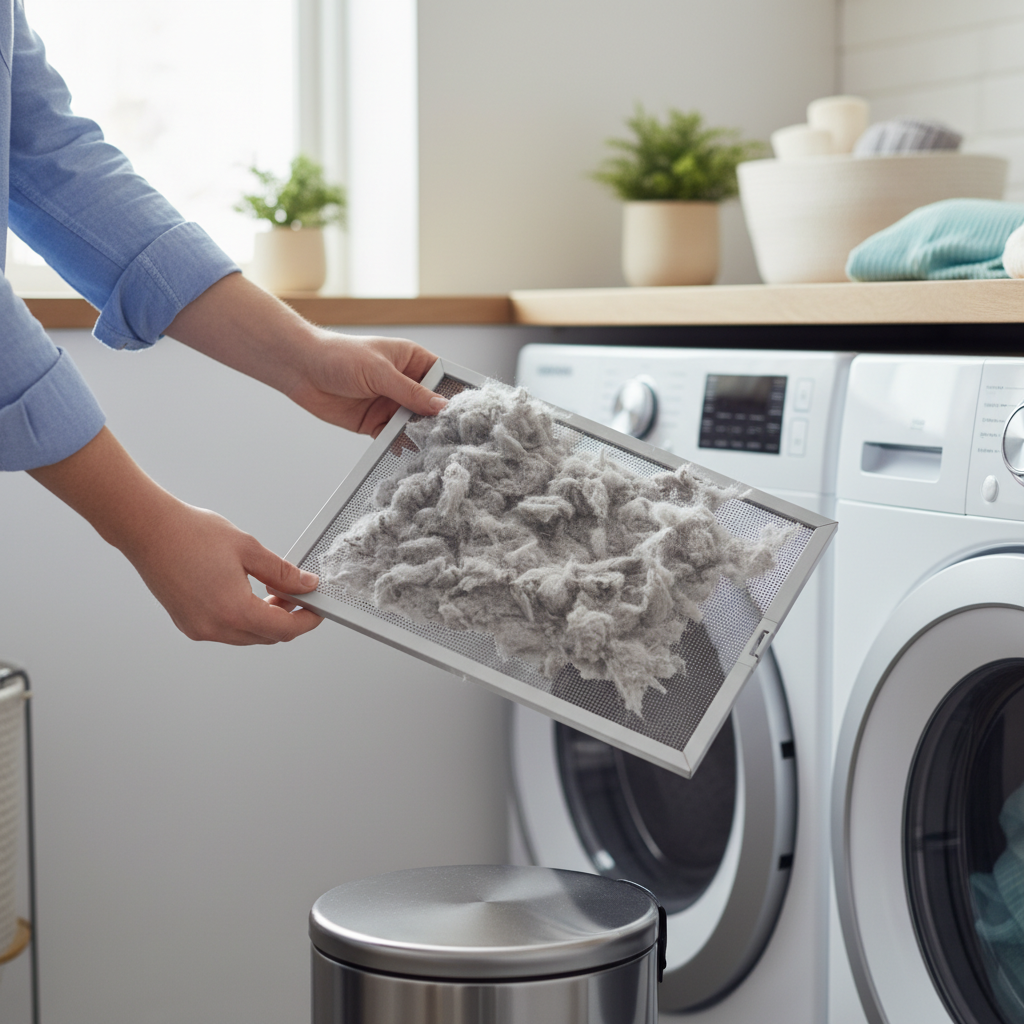
The Critical Habit: Cleaning Your Dryer Lint Trap Every Load
At the heart of every clothes dryer lies a crucial component: the lint trap. This removable screen acts as the first line of defense, capturing the myriad fibers and debris shed by your clothes during the drying cycle. While it’s designed to collect these tiny particles, its effectiveness hinges entirely on being kept clear. A clean lint trap ensures that hot, moist air can flow freely through your dryer, allowing it to operate as intended. Neglecting this simple step, however, turns this essential filter into an obstruction, setting off a chain reaction of negative consequences for your appliance, your wallet, and most importantly, your home’s safety.
Preventing Fire Hazards: Your Home’s Safety Net
Perhaps the most compelling reason to clean your dryer lint trap religiously is fire prevention. Lint is highly flammable, akin to tinder. As it accumulates in the trap, and inevitably, in the dryer’s vent system, it creates a dangerous fuel source. When airflow is restricted by a thick layer of lint, the dryer’s heating elements can cause temperatures to rise dramatically, increasing the risk of the lint igniting. The U.S. Fire Administration reports that thousands of house fires each year are caused by dryers, with lint buildup being the leading culprit. This stark reality underscores that a clean lint trap isn’t just about good housekeeping; it’s a vital safety measure that safeguards your home and loved ones from a potentially devastating blaze.
Boosting Energy Efficiency and Cutting Costs
Are your clothes taking longer than usual to dry, sometimes requiring multiple cycles? A clogged lint trap is a likely culprit. When lint obstructs airflow, your dryer must work significantly harder and run for extended periods to achieve the same level of dryness. This prolonged operation directly translates to increased energy consumption. Whether your dryer runs on electricity or gas, this inefficiency will invariably lead to higher utility bills each month. By making it a habit to clear the lint trap after every single load, you restore optimal airflow. This allows your dryer to operate efficiently, shortening drying times, using less energy, and putting money back into your pocket.
Extending Your Dryer’s Lifespan and Enhancing Performance
Your dryer is a significant investment, and like any appliance, its longevity is heavily influenced by how well it’s maintained. When a dryer is forced to work harder due to restricted airflow from a dirty lint trap, it puts undue strain on critical components such as the motor and heating elements. This constant overexertion accelerates wear and tear, making your appliance more prone to breakdowns and costly repairs. Consistent lint trap cleaning reduces this stress, allowing the dryer to operate smoothly and effortlessly. This simple maintenance ritual helps preserve the integrity of its internal mechanisms, ensuring your dryer runs efficiently for years to come and delaying the need for an expensive replacement.
Protecting Your Clothes and Laundry Quality
While efficiency and safety are paramount, cleaning your lint trap also offers benefits for your garments. A lint-filled trap can sometimes contribute to excessive friction within the dryer drum, potentially causing premature wear and tear on your fabrics. Beyond that, when lint isn’t properly captured, it can redeposit onto your freshly cleaned clothes, leaving them less than pristine. Ensuring a clean lint trap helps maintain the quality of your laundry, allowing clothes to tumble freely in a clear environment, preserving their fibers, and ensuring they emerge from the dryer looking and feeling their best.
Beyond the Everyday: Deep Cleaning and Vent Maintenance
While cleaning the lint trap after every load is crucial, it’s also important to recognize that not all lint is caught by the screen. Over time, residue from dryer sheets and fabric softeners can create a film on the lint screen itself, reducing its effectiveness even when visually clear. For this reason, it’s beneficial to periodically deep clean your lint screen by washing it with warm, soapy water and a soft brush, then allowing it to air dry completely.
Furthermore, some lint will inevitably bypass the trap and accumulate in the dryer’s exhaust vent system, the ductwork leading outside your home. This internal buildup poses a significant fire risk and can severely impede dryer performance, similar to a clogged lint trap but often more severe. Therefore, in addition to your daily lint trap routine, scheduling professional dryer vent cleaning at least once a year is a critical maintenance step for comprehensive safety and efficiency.
Conclusion
The evidence is clear: cleaning your dryer lint trap after every load is a small habit with immense payoffs. It’s a powerful defense against preventable house fires, a straightforward method to save on energy costs, and an effective way to prolong the life of your appliance and protect your clothing. This simple, few-second task transforms your laundry routine from a potential risk into a bastion of safety and efficiency. So, the next time you finish a load, pause for a moment, clear that lint, and enjoy the peace of mind that comes with a well-maintained home. What small habit in your daily routine has had the most significant impact on your household?
Frequently Asked Questions
What happens if I forget to clean my dryer’s lint trap?
|
Our Picks for the Best Clothes dryer in 2026
As an Amazon Associate I earn from qualifying purchases.
|
||
| Num | Product | Action |
|---|---|---|
| 1 | Amazon Basics Foldable Portable Clothes Drying Rack for Indoor Air Drying, Collapsible Design, 14.5" D x 29.5" W x 41.8" H, White |

|
| 2 | Euhomy Dryer, 3.5 Cu. Ft. 1500W Clothes Dryer, Stainless Steel Tumble Dryer with Exhaust Hose for Home, Apartment, Dorm, White |
|
| 3 | GE PROFILE 7.2 cu. ft. Vented Electric Dryer in White with Auto Dry and Extended Tumble |
|
| 4 | Kenmore 7.0 cu. ft. Front Load Electric Dryer - with Guard to Reduce Wrinkles & Static - Smart Sensor Drying - LED - White |
|
| 5 | Portable Clothes Dryer, 900W Fast Drying & Large Load Capacity for Laundry and Shoes - Compact Mini Dryer Machine for Travel, Apartments, RV, Dorm Blue |
|
| 6 | HOMIDEC Clothes Drying Rack, Oversized 4-Tier(67.7" High) Foldable Stainless Steel Drying Rack Clothing, Movable Drying Rack with 4 castors, 24 Drying Poles and 14 Hooks for Bed Linen, Clothing, Grey |
|
| 7 | MOJOCO Portable Clothes Dryer - Mini/Compact Dryer for Apartment, RV, Travel - Small Quiet Fast-Drying Machine with Adjustable Timer & Hassle-Free Setup |
|
| 8 | Drying Rack Clothing, 3-Tier Clothes Drying Rack Foldable, Antirust Laundry Drying Rack Collapsible Use for Indoor & Outdoor, 11.8" D x 34.6" W x 35.4" H, White |
|
| 9 | BLACK+DECKER BCED37 Compact Dryer for Standard Wall Outlet, Small, 4 Modes, Load Volume 13.2 lbs., White |
|
| 10 | Sakugi Clothes Drying Rack, Foldable 2-Level Laundry Drying Rack with Height-Adjustable Wings, for Clothing & Bedding, Free-Standing Space-Saving Rack, Indoor & Outdoor, 55.5" L × 22.8" W, Gray |
|
Forgetting to clean your dryer’s lint trap can lead to several issues, including increased fire risk due to flammable lint buildup, longer drying times, higher energy bills, and accelerated wear and tear on your appliance, potentially shortening its lifespan.
How often should I deep clean my dryer lint screen?
Beyond the daily lint removal, deep cleaning your lint screen with warm, soapy water to remove fabric softener or detergent residue is recommended every few months, or at least twice a year, to maintain its optimal airflow.
Is lint trap cleaning the same as dryer vent cleaning?
No, they are different. Lint trap cleaning is an every-load habit to remove visible lint from the screen. Dryer vent cleaning involves removing lint that accumulates in the exhaust ductwork leading outside, a task typically recommended annually and often requires professional service.
Can a dirty lint trap damage my clothes?
Yes, a heavily soiled or blocked lint trap can contribute to less efficient drying, increased friction within the drum, and even redeposit lint onto your garments, potentially causing premature wear or leaving clothes less clean.