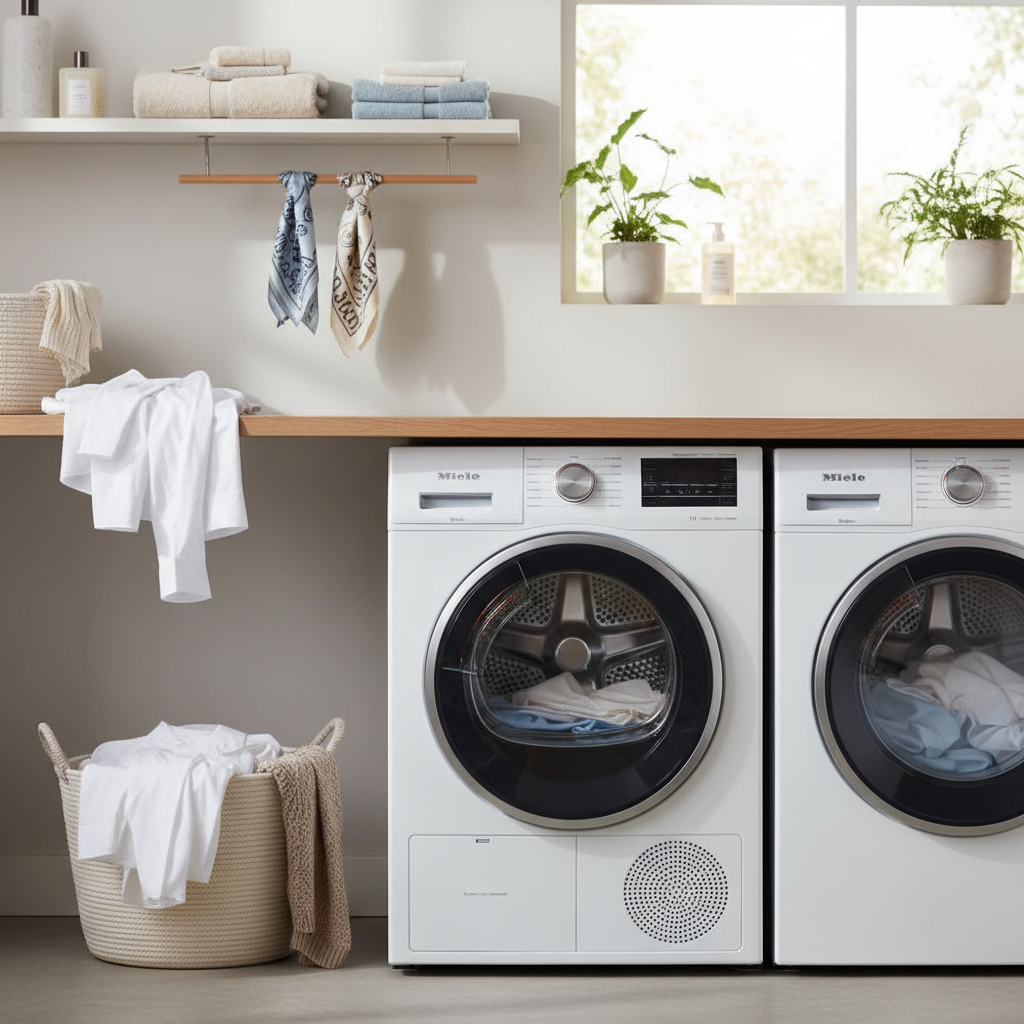
Tired of stiff, scratchy clothes, or wondering if your laundry routine could be gentler on your fabrics and the planet? For years, fabric softeners have been the go-to solution for achieving that coveted soft feel and fresh scent. However, a natural alternative, wool dryer balls, has gained immense popularity, promising similar benefits without the chemical drawbacks. But which option truly delivers the best results for your clothes, your health, and the environment? Let’s dive deep into a comprehensive comparison to help you make an informed decision for your laundry room.
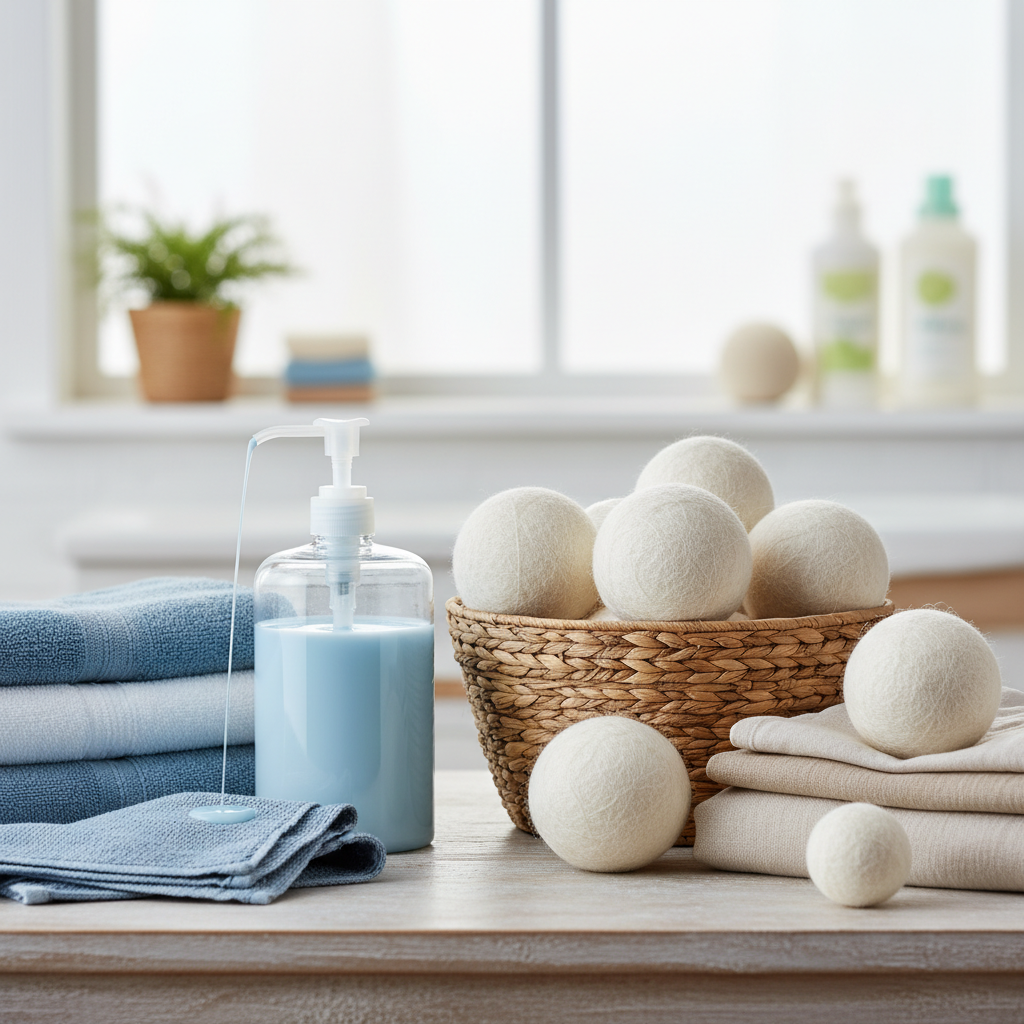
Understanding Wool Dryer Balls
Wool dryer balls are small, tightly felted spheres made from 100% natural wool. They work by tumbling with your wet laundry in the dryer, physically separating items and creating space for hot air to circulate more efficiently. This mechanical action not only speeds up the drying process but also gently fluffs and softens fabrics.
The Benefits of Going Natural
Opting for wool dryer balls offers a multitude of advantages that extend beyond just soft clothes:
- Eco-Friendly and Sustainable: Made from a renewable resource, wool dryer balls are a sustainable choice. Unlike single-use dryer sheets that contribute to landfill waste and often contain non-biodegradable synthetic materials, wool dryer balls are reusable for hundreds, even thousands, of loads and are completely biodegradable at the end of their lifespan.
- Chemical-Free and Hypoallergenic: One of the most significant benefits is their natural composition. Wool dryer balls contain no synthetic fragrances, dyes, or harsh chemicals often found in traditional fabric softeners, making them an excellent option for individuals with sensitive skin, allergies, or respiratory sensitivities, including babies and the elderly.
- Reduced Drying Time and Energy Savings: By separating clothes, wool dryer balls enhance airflow within the dryer, which can significantly reduce drying time—by as much as 25-30%. This efficiency translates directly into lower energy consumption and reduced electricity bills over time.
- Natural Fabric Softening and Wrinkle Reduction: Instead of coating fabrics with chemicals, wool dryer balls soften clothes by gently agitating the fibers, restoring their natural loft and flexibility. This mechanical action also helps to minimize wrinkles, reducing the need for ironing.
- Effective Static Reduction: While some believe they don’t tackle static as well as chemical softeners, wool dryer balls effectively reduce static cling by absorbing moisture and maintaining a balanced humidity level in the dryer. For extra static control, lightly dampen a ball before adding it to the load.
- Longevity and Cost-Effectiveness: Although they may have a slightly higher upfront cost than a box of dryer sheets or a bottle of liquid softener, wool dryer balls are a long-term investment. A single set can last for over 1,000 loads, making them far more cost-effective over their lifespan compared to constantly repurchasing disposable products.
|
Our Picks for the Best Clothes dryer in 2026
As an Amazon Associate I earn from qualifying purchases.
|
||
| Num | Product | Action |
|---|---|---|
| 1 | Euhomy Dryer, 3.5 Cu. Ft. 1500W Clothes Dryer, Stainless Steel Tumble Dryer with Exhaust Hose for Home, Apartment, Dorm, White |

|
| 2 | Amazon Basics Foldable Portable Clothes Drying Rack for Indoor Air Drying, Collapsible Design, 14.5" D x 29.5" W x 41.8" H, White |
|
| 3 | Kenmore 7.0 cu. ft. Front Load Electric Dryer - with Guard to Reduce Wrinkles & Static - Smart Sensor Drying - LED - White |
|
| 4 | GE PROFILE 7.2 cu. ft. Vented Electric Dryer in White with Auto Dry and Extended Tumble |
|
| 5 | MOJOCO Portable Clothes Dryer - Mini/Compact Dryer for Apartment, RV, Travel - Small Quiet Fast-Drying Machine with Adjustable Timer & Hassle-Free Setup |
|
| 6 | HOMIDEC Clothes Drying Rack, Oversized 4-Tier(67.7" High) Foldable Stainless Steel Drying Rack Clothing, Movable Drying Rack with 4 castors, 24 Drying Poles and 14 Hooks for Bed Linen, Clothing, Grey |
|
| 7 | Drying Rack Clothing, 3-Tier Clothes Drying Rack Foldable, Antirust Laundry Drying Rack Collapsible Use for Indoor & Outdoor, 11.8" D x 34.6" W x 35.4" H, White |
|
| 8 | BLACK+DECKER BCED37 Compact Dryer for Standard Wall Outlet, Small, 4 Modes, Load Volume 13.2 lbs., White |
|
| 9 | Sakugi Clothes Drying Rack, Foldable 2-Level Laundry Drying Rack with Height-Adjustable Wings, for Clothing & Bedding, Free-Standing Space-Saving Rack, Indoor & Outdoor, 55.5" L × 22.8" W, Gray |
|
| 10 | Portable Clothes Dryer, 900W Fast Drying & Large Load Capacity for Laundry and Shoes - Compact Mini Dryer Machine for Travel, Apartments, RV, Dorm Blue |
|
Potential Drawbacks of Wool Dryer Balls
While beneficial, wool dryer balls do come with a few considerations:
- Upfront Cost: The initial purchase price can be higher than traditional softeners, though this is offset by their durability and reusability.
- Noise: As they tumble, the balls can create a slight thumping sound in the dryer, which some users might find noticeable.
- No Inherent Fragrance: Wool dryer balls are naturally odorless. If you prefer scented laundry, you’ll need to add a few drops of essential oils directly to the balls before drying.
- Wool Allergies: For individuals with severe wool allergies, this option may not be suitable, though topical exposure in a dryer is generally less impactful than wearing wool directly.
Delving into Fabric Softeners (Liquid & Sheets)
Traditional fabric softeners, whether liquid or dryer sheets, have been a laundry staple for decades. They typically work by depositing a thin, waxy, or chemical coating onto fabric fibers during the rinse cycle or in the dryer. This coating reduces friction between fibers, leading to a softer feel and neutralizing static charges.
The Allure of Traditional Softeners
Fabric softeners offer several immediate and noticeable benefits that have cemented their place in many laundry routines:
- Immediate Softness and Pleasant Scent: They are highly effective at making clothes feel soft and smooth right out of the dryer. Most softeners also come with a wide array of synthetic fragrances, leaving laundry with a distinct, often strong, scent.
- Effective Static Reduction: Fabric softeners excel at eliminating static cling by imparting a positive charge to neutralize the negative charges on clothes.
- Wrinkle Reduction and Pilling Prevention: The chemical coating can help to relax fabric fibers, reducing wrinkles, and may also protect against pilling or the formation of small fuzz balls on garments.
The Hidden Costs: Downsides of Fabric Softeners
Despite their immediate appeal, traditional fabric softeners come with significant drawbacks, impacting health, the environment, and even your appliances and fabrics:
- Harmful Chemicals and Health Risks: Many conventional fabric softeners contain a “cocktail” of synthetic chemicals, including volatile organic compounds (VOCs), quaternary ammonium compounds (Quats), phthalates, and synthetic fragrances. Research suggests these can trigger respiratory issues, skin irritation, allergies, and even hormonal imbalances. The term “fragrance” can legally hide hundreds of undisclosed chemicals, some flagged as potential carcinogens.
- Environmental Impact: The environmental footprint of fabric softeners is considerable. Liquid softeners often come in plastic bottles, contributing to plastic waste. Dryer sheets are typically made from non-biodegradable polyester and are single-use items. The chemicals used can contaminate water systems and contribute to indoor air pollution as they off-gas during drying.
- Reduced Fabric Absorbency: The waxy film left by softeners clogs fabric fibers, significantly reducing their absorbency. This is particularly problematic for towels, activewear designed to wick moisture, and microfiber cloths, compromising their intended function.
- Fire Hazard: Studies have shown that the chemical residue from liquid fabric softeners can make fabrics, especially children’s sleepwear, more flammable.
- Machine Residue and Maintenance Issues: The waxy buildup can accumulate inside your washing machine and dryer, leading to residue on the drum, clogged lint traps, and impaired drainage. This can reduce the efficiency and shorten the lifespan of your appliances.
- Cost Over Time: As single-use products or liquids that require frequent replenishment, fabric softeners can become a substantial recurring expense compared to the long-lasting nature of wool dryer balls.
- Fabric Limitations: Softeners are not recommended for all fabric types, particularly those with water-resistant properties, flame-retardant finishes, or specific performance features.
Direct Comparison: Wool Dryer Balls vs. Fabric Softener
When pitted against each other, the differences between wool dryer balls and fabric softeners become stark. Here’s a quick overview:
| Feature | Wool Dryer Balls | Fabric Softener (Liquid/Sheets) |
|---|---|---|
| Softness | Natural, restored fiber loft | Chemical coating, immediate silky feel |
| Static Control | Reduces by absorbing moisture | Highly effective by neutralizing charges |
| Drying Time | Reduces by 25-30% | Can sometimes increase due to residue |
| Health Impact | Chemical-free, hypoallergenic | Contains chemicals, potential allergens, VOCs |
| Environmental | Reusable, biodegradable, sustainable | Single-use (sheets), plastic waste, chemical pollution |
| Cost | Higher upfront, significantly lower long-term | Lower upfront, higher recurring long-term |
| Fabric Care | Preserves absorbency, no residue | Reduces absorbency, leaves waxy film |
| Fragrance | None inherently, can add essential oils | Strong synthetic fragrances |
| Machine Impact | No residue, helps efficiency | Can build up, clog machines, reduce lifespan |
Making the Switch: Tips for a Greener Laundry Routine
If you’re considering transitioning to wool dryer balls, here are some tips to ensure a smooth and successful change:
- Start with the Right Amount: Use 3-6 wool dryer balls per load, depending on its size. More balls are generally better for larger loads or heavier items like towels.
- Add Natural Scent: For a fresh fragrance, put a few drops of your favorite essential oil (like lavender, lemon, or eucalyptus) directly onto a couple of dryer balls about 10-15 minutes before adding them to the dryer. This allows the oil to absorb, preventing stains on your clothes.
- Static Control: If you experience static, try dampening one or two of the wool dryer balls with water before tossing them in. This increases humidity in the dryer, further combating static. Also, avoid over-drying, as excessive heat can increase static.
- Care and Maintenance: Wool dryer balls are incredibly durable. When they start to look worn or less effective after hundreds of uses, you can simply replace them. There’s no special cleaning required; they self-clean in the dryer.
Expert Opinion
The shift towards natural laundry solutions is supported by growing awareness of the impact of chemicals. As one expert notes, “The scientific evidence overwhelmingly favors wool dryer balls for families prioritizing health, environmental responsibility, and long-term savings.” This perspective highlights the comprehensive benefits beyond just cleaning clothes. Furthermore, concerns about traditional softeners are well-documented; “Studies have shown that liquid fabric softeners can make fabrics – like baby clothing – more flammable,” a critical safety consideration for many households.
Conclusion
Choosing between wool dryer balls and fabric softener ultimately comes down to your priorities. If immediate, strong fragrance and a chemically-induced soft feel are paramount, traditional fabric softeners might appeal. However, for those prioritizing health, environmental responsibility, cost-effectiveness over time, and natural fabric care, wool dryer balls present a compelling and superior alternative. They offer a gentle yet powerful way to soften clothes, reduce drying time, and minimize static, all without the hidden costs to your well-being or the planet. Why not make the switch and experience a cleaner, greener laundry routine for yourself? What benefits of natural laundry care are most important to your family?
Frequently Asked Questions
Do wool dryer balls eliminate static entirely?
Wool dryer balls significantly reduce static by separating clothes and absorbing moisture, which balances humidity. While they may not always eliminate static as completely as chemical softeners, avoiding over-drying and adding a lightly dampened ball can greatly improve results.
How many wool dryer balls should I use per load?
For optimal results, use 3-4 wool dryer balls for small to medium loads and 5-6 for large or heavy loads, such as towels or blankets. More balls create better separation and airflow.
Can I use essential oils on wool dryer balls for scent?
Yes, absolutely! Apply 2-3 drops of your favorite essential oil to a few dryer balls 10-15 minutes before putting them in the dryer. This allows the oil to soak in and infuse your clothes with a natural fragrance.
Are fabric softeners bad for all types of clothes?
Fabric softeners are generally not recommended for towels (as they reduce absorbency), activewear (they can impede wicking properties), flame-retardant clothing (they can compromise the fire resistance), and delicate fabrics.
How often should I replace wool dryer balls?
Wool dryer balls are incredibly durable and can last for over 1,000 laundry cycles, which often translates to several years of use for an average household. Replace them when they start to unravel, noticeably shrink, or become less effective.