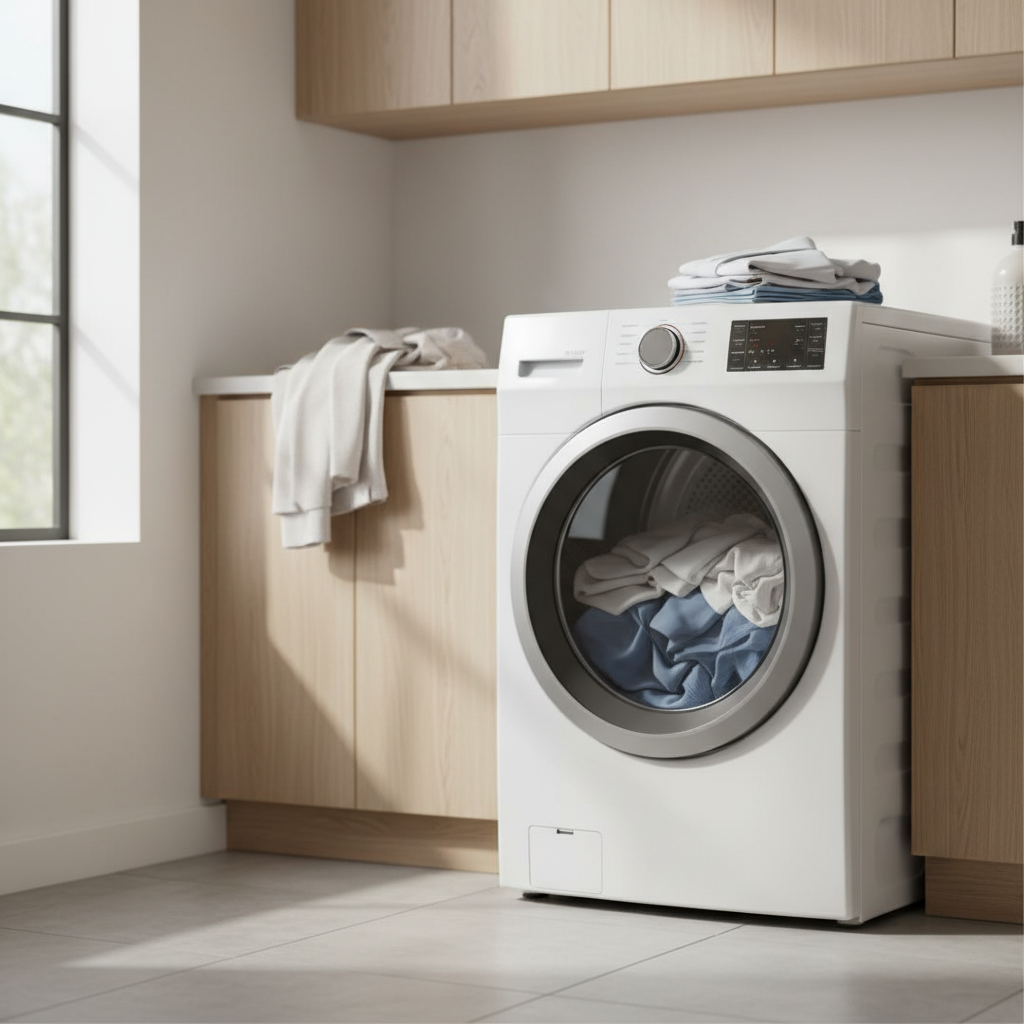
As a seasoned technician with over a decade in the appliance industry, I’ve seen clothes dryers evolve from basic models to smart, energy-efficient machines. Yet, one constant remains: the eventual need to dispose of them. Simply discarding an old dryer can have significant environmental repercussions, from contributing to overflowing landfills to potentially releasing harmful materials. Responsible recycling is not just an option; it’s a necessity for a sustainable future. This comprehensive guide will walk you through the best practices for recycling your old clothes dryer, ensuring a choice that benefits both your home and the planet.
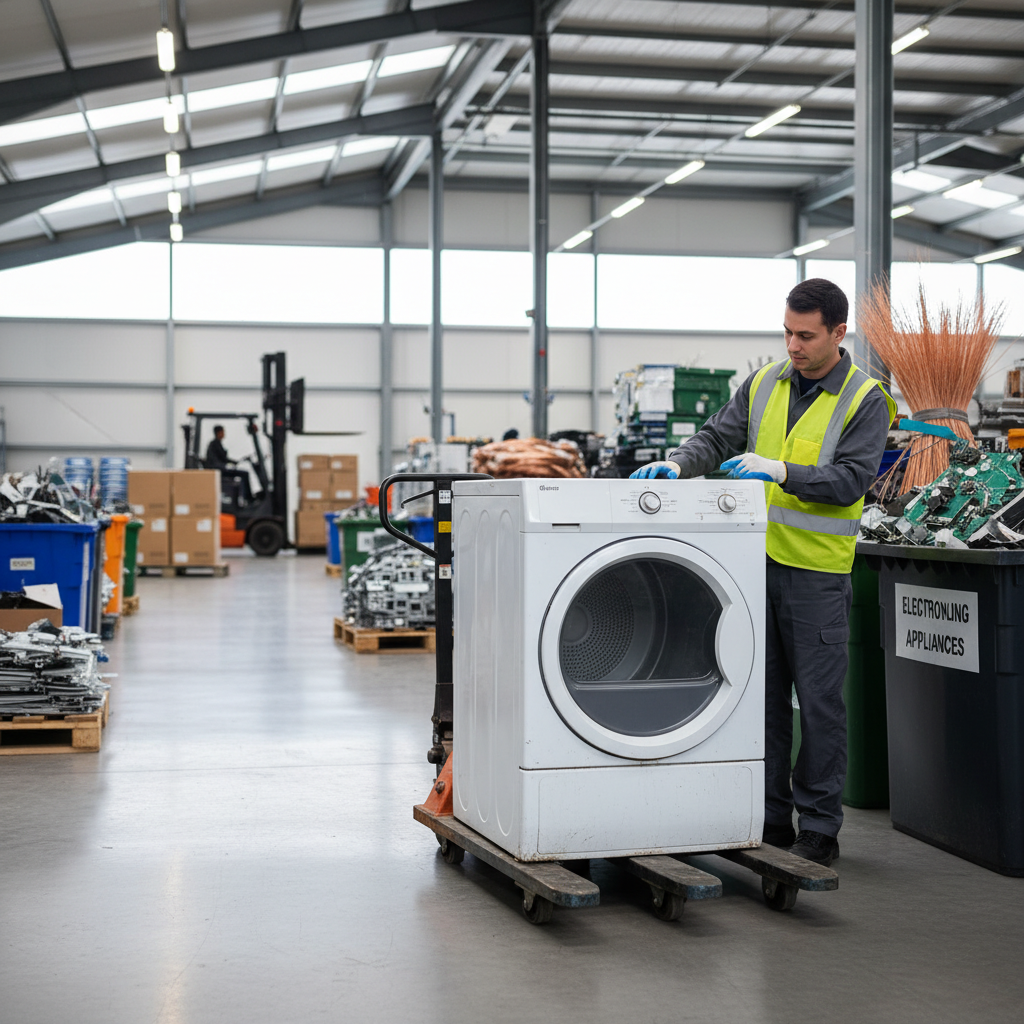
The Environmental Imperative: Why Recycle Your Old Dryer?
Many people might view an old dryer as just another piece of bulky waste, but these appliances are complex machines filled with valuable resources and, in some cases, potentially hazardous components. Disposing of them improperly, such as in a landfill, can lead to a cascade of environmental problems. Landfills are rapidly reaching capacity, and every appliance that ends up there exacerbates the issue. Moreover, dryers contain a significant amount of metal, predominantly steel, along with copper wiring and some aluminum, all of which are highly recyclable materials. When these metals are simply buried, they represent a lost opportunity to conserve natural resources and reduce the energy consumption associated with mining and processing virgin materials.
While modern dryers generally do not contain refrigerants like older refrigerators or freezers, they are still considered electronic waste (e-waste) due to their circuit boards and electrical components. These components can contain small amounts of precious metals like gold, as well as other materials that, if not managed correctly, could leach into the soil and groundwater. By choosing responsible recycling, you actively participate in the circular economy, giving these materials a second life and significantly reducing your environmental footprint.
Beyond the Curb: Exploring Your Dryer Recycling Options
When it’s time to part with your old clothes dryer, you have several eco-friendly options beyond simply leaving it out for regular trash collection. Each method offers unique benefits, depending on the condition of your appliance and your personal convenience.
Donation and Reuse: Giving Your Dryer a Second Life
If your old dryer is still in good working condition, extending its lifespan through donation is one of the most impactful ways to be environmentally responsible. Many charitable organizations and community programs accept working appliances, offering them to individuals and families in need or selling them at affordable prices to fund their initiatives.
- Habitat for Humanity ReStores: These stores accept donations of new and gently used home improvement items, including appliances. They resell them to the public, with proceeds supporting Habitat for Humanity’s mission.
- Local Charities and Community Centers: Many local churches, community centers, or non-profit organizations might have programs to accept working appliances. It’s always a good idea to call ahead to confirm their current needs and acceptance policies for large items.
- Vocational Schools: Technical or vocational schools often welcome donations of working appliances for students to use in repair and maintenance training programs.
- Online Community Groups: “Buy Nothing” groups or local online marketplaces can connect you with individuals in your community who might need a working dryer.
|
Our Picks for the Best Clothes dryer in 2026
As an Amazon Associate I earn from qualifying purchases.
|
||
| Num | Product | Action |
|---|---|---|
| 1 | Portable Clothes Dryer, 900W Fast Drying & Large Load Capacity for Laundry and Shoes - Compact Mini Dryer Machine for Travel, Apartments, RV, Dorm Blue |

|
| 2 | Euhomy Dryer, 3.5 Cu. Ft. 1500W Clothes Dryer, Stainless Steel Tumble Dryer with Exhaust Hose for Home, Apartment, Dorm, White |
|
| 3 | HOMIDEC Clothes Drying Rack, Oversized 4-Tier(67.7" High) Foldable Stainless Steel Drying Rack Clothing, Movable Drying Rack with 4 castors, 24 Drying Poles and 14 Hooks for Bed Linen, Clothing, Grey |
|
| 4 | Amazon Basics Foldable Portable Clothes Drying Rack for Indoor Air Drying, Collapsible Design, 14.5" D x 29.5" W x 41.8" H, White |
|
| 5 | Kenmore 7.0 cu. ft. Front Load Electric Dryer - with Guard to Reduce Wrinkles & Static - Smart Sensor Drying - LED - White |
|
| 6 | Drying Rack Clothing, 3-Tier Clothes Drying Rack Foldable, Antirust Laundry Drying Rack Collapsible Use for Indoor & Outdoor, 11.8" D x 34.6" W x 35.4" H, White |
|
| 7 | MOJOCO Portable Clothes Dryer - Mini/Compact Dryer for Apartment, RV, Travel - Small Quiet Fast-Drying Machine with Adjustable Timer & Hassle-Free Setup |
|
| 8 | Sakugi Clothes Drying Rack, Foldable 2-Level Laundry Drying Rack with Height-Adjustable Wings, for Clothing & Bedding, Free-Standing Space-Saving Rack, Indoor & Outdoor, 55.5" L × 22.8" W, Gray |
|
| 9 | BLACK+DECKER BCED37 Compact Dryer for Standard Wall Outlet, Small, 4 Modes, Load Volume 13.2 lbs., White |
|
| 10 | GE PROFILE 7.2 cu. ft. Vented Electric Dryer in White with Auto Dry and Extended Tumble |
|
Retailer Take-Back Programs: Convenience with a New Purchase
Many major appliance retailers offer take-back or haul-away services when you purchase a new dryer. This is often the most convenient option, as the retailer’s delivery team will remove your old appliance when they deliver and install the new one. While some retailers may include this service for free, others might charge a small fee. Inquire about these programs when making your new dryer purchase to ensure your old one is handled responsibly. Retailers often partner with certified recyclers to ensure proper disposal.
Professional Junk Removal Services: Hassle-Free Disposal
For those who prefer a completely hands-off approach, professional junk removal services can be an excellent choice. Companies like 1-800-GOT-JUNK? specialize in removing bulky items and often commit to recycling or donating usable items. While this option typically comes with a fee, it saves you the effort of lifting and transporting the heavy appliance yourself. Ensure the service you choose has a clear policy on recycling appliances responsibly.
Municipal Bulky Waste and Recycling Programs: Local Solutions
Your local municipal waste management department is a key resource for appliance disposal. Many cities and counties offer special bulky waste collection services or designated drop-off points for large appliances. These programs are designed to handle items that don’t fit into regular trash or recycling bins.
“Contacting your local waste management office is always the first step. They can provide specific guidelines, schedules for bulky waste pickups, or direct you to local recycling facilities.”
Be sure to check your municipality’s website or call them directly, as rules and availability can vary significantly by location. Some programs may require scheduling a pickup in advance or have specific dates for large item collection.
Certified Appliance and E-Waste Recyclers: The Gold Standard
For the most thorough and environmentally sound disposal, look for certified appliance or e-waste recyclers. These specialized facilities are equipped to safely dismantle appliances, separate materials, and ensure hazardous components are handled according to strict environmental regulations. Certifications like R2 (Responsible Recycling) and e-Stewards indicate that a recycler adheres to high standards for environmental protection, worker safety, and data security (though data security is less relevant for a dryer). You can find certified recyclers through online directories like Earth911 or by searching for R2 or e-Stewards certified facilities in your area.
Scrap Metal Yards: A Viable Option for Pure Metal
While not as comprehensive as a certified e-waste recycler, a local scrap metal yard will often accept old dryers due to their high metal content. They will typically pay you by weight for the steel and other metals. However, scrap yards primarily focus on metal recovery and may not properly handle any electronic components or residual hazardous materials. If you choose this route, verify that they are equipped to strip down the appliance and manage all materials responsibly.
Preparing Your Dryer for Responsible Disposal
Before you say goodbye to your old dryer, a few simple steps can ensure a smooth and safe removal process for you and for those handling it:
- Unplug and Cool Down: Always unplug the dryer from its power source several days before removal. This allows any residual heat to dissipate and ensures no electrical current is present, preventing accidental shocks.
- Disconnect Venting: For electric dryers, disconnect the vent hose from the wall and the back of the dryer. For gas dryers, it is crucial to have a qualified professional disconnect the gas line to prevent leaks and ensure safety.
- Secure Cords: Use a twist tie, tape, or the cord itself to secure the power cord to the unit. This prevents anyone from tripping while moving the heavy appliance.
- Remove Non-Metal Parts (Optional): While not always necessary, if your local recycler advises it, you might remove easily detachable non-metal parts like plastic knobs or lint filters.
- Clean (if Donating): If you plan to donate your dryer, a quick wipe-down and cleaning of the lint trap are appreciated gestures that make the appliance more appealing for its next owner. If recycling, deep cleaning isn’t usually required.
Making the Smart Choice: Finding a Reputable Recycler
The key to responsible dryer recycling lies in choosing a reputable partner. Not all recycling centers are created equal, and some may not adhere to the highest environmental standards.
- Look for Certifications: As mentioned, R2 and e-Stewards certifications are excellent indicators of a recycler’s commitment to responsible practices. These certifications ensure that materials are handled safely, data is destroyed securely (if applicable), and hazardous waste is not illegally exported.
- Ask About Their Process: Don’t hesitate to ask a potential recycler about their process. Where do the materials go after they are collected? How do they handle different components? A transparent recycler will be happy to answer your questions.
- Utilize Online Resources: Websites like Earth911 provide searchable databases of recycling centers based on your location and the material you’re recycling. Your local government’s waste management website will also often have lists of approved facilities.
Rebates and Incentives: Saving Money While Being Green
Upgrading to a new, energy-efficient dryer often comes with financial perks. Many utility companies offer rebates for customers who replace old, inefficient appliances with ENERGY STAR® certified models. These rebates are designed to encourage energy conservation and reduce strain on electrical grids. Additionally, some retailers might offer special promotions or incentives when you trade in an old appliance for a new one. Researching these opportunities can help offset the cost of a new dryer and ensure your old one is recycled properly. You may even find local tax breaks for energy-efficient home improvements.
Conclusion
Recycling your old clothes dryer responsibly is a straightforward process that offers significant environmental and societal benefits. By choosing donation, retailer take-back, professional junk removal, municipal programs, or certified e-waste recyclers, you ensure that valuable materials are recovered and potential hazards are safely managed. This proactive approach helps reduce landfill waste, conserves natural resources, and minimizes pollution, all while contributing to a healthier planet. As an experienced technician, I encourage you to make an informed decision when disposing of your old dryer. What steps will you take to ensure your next appliance disposal is a responsible one?
Frequently Asked Questions
Can I put my old dryer out with regular trash?
No, you should not put your old dryer out with regular trash. Dryers are considered bulky waste and often contain recyclable metals and electronic components that require special handling. Check with your local waste management for specific bulky waste pickup or drop-off instructions.
What materials in a dryer are recyclable?
The primary recyclable materials in a dryer include steel (which makes up about 75% of its weight), copper wiring, and aluminum. Modern dryers also contain circuit boards and other electronic components that are considered e-waste and contain valuable metals.
Do appliance stores take old dryers?
Yes, many appliance retailers offer take-back or haul-away services when you purchase a new dryer. This is often a convenient option, though some may charge a fee for the service. Always confirm this policy when buying a new appliance.
Is it worth repairing an old dryer or recycling it?
The decision to repair or recycle an old dryer depends on its age, the cost of repairs, and its energy efficiency. If repairs are minor and the dryer is relatively energy-efficient, repairing might be a good option. However, if it’s old, frequently breaking down, or very inefficient, recycling it and investing in a new ENERGY STAR® model often makes more economic and environmental sense.
What is the EPA’s RAD program?
The EPA’s Responsible Appliance Disposal (RAD) program is a voluntary partnership program that works with utilities, retailers, manufacturers, and other organizations to protect the ozone layer and climate by properly disposing of old, inefficient appliances. While primarily focused on refrigerants in refrigerators and freezers, it promotes best practices for large appliance disposal.