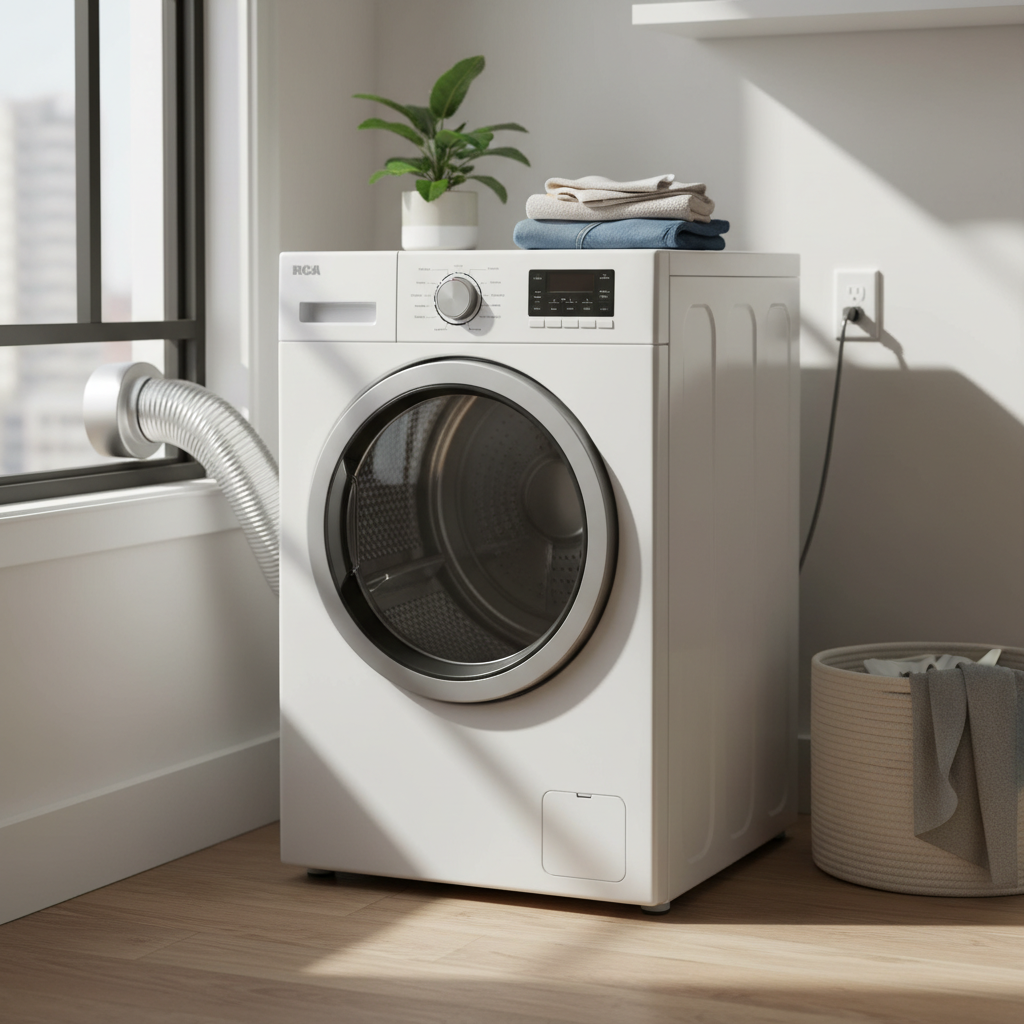
Discovering your favorite sweater or a cherished pair of jeans has mysteriously shrunk after a tumble in the dryer is a universal moment of frustration. It can feel like a wardrobe disaster, leaving you wondering if your beloved garments are destined for the donation pile. But don’t despair! While truly “unshrinking” clothes to their exact original state might not always be possible, you can often coax them back into a wearable size with some clever techniques and household items. This comprehensive guide will walk you through the proven methods to rescue your shrunken clothes, understand why shrinkage happens, and equip you with the knowledge to prevent it in the future.
Understanding Why Clothes Shrink
Before we dive into the solutions, it’s helpful to understand the science behind why clothes shrink. Most fabrics, especially natural fibers like cotton, wool, and linen, are composed of fibers that are stretched and pulled taut during the manufacturing process. When these fabrics are exposed to heat and moisture—particularly the high heat found in a clothes dryer—the fibers relax and contract back to their original, shorter state. This contraction leads to the noticeable reduction in garment size. Agitation during washing and drying can further exacerbate this effect, causing the fibers to compact even more. Understanding these dynamics is the first step in effectively reversing and preventing shrinkage.
The Universal Method: Soaking and Stretching (Step-by-Step Guide)
The most common and effective way to deal with shrunken clothes involves a simple soaking and gentle stretching process. This method works by relaxing the fabric fibers, making them pliable enough to reshape.
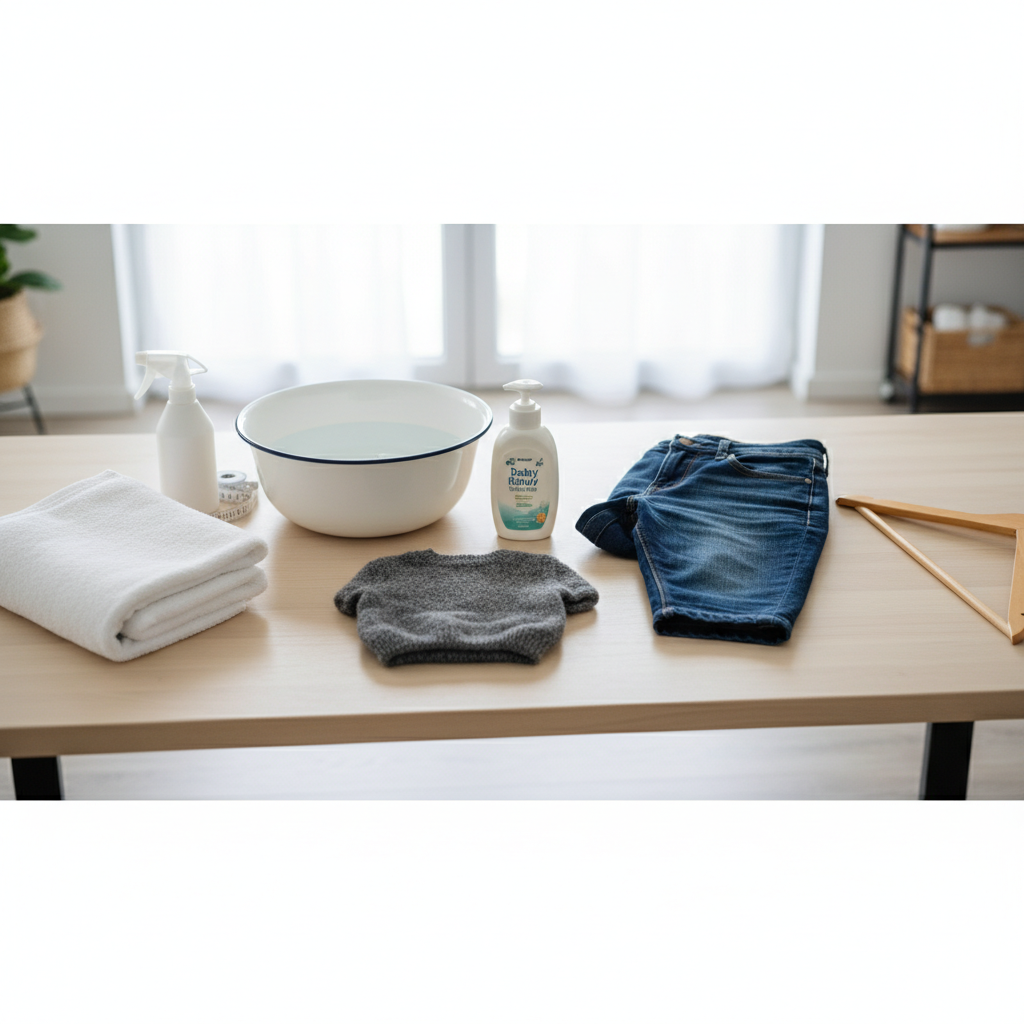
Step 1: Gather Your Supplies
You’ll need a few common household items to start your garment rescue mission:
- A clean basin, sink, or tub
- Lukewarm water
- Baby shampoo or hair conditioner (a few tablespoons)
- Alternatively, white vinegar (especially good for wool)
- Several clean, dry towels
- Optional: Heavy objects (like books or paperweights) or rolled towels for shaping
|
Our Picks for the Best Clothes dryer in 2026
As an Amazon Associate I earn from qualifying purchases.
|
||
| Num | Product | Action |
|---|---|---|
| 1 | HOMIDEC Clothes Drying Rack, Oversized 4-Tier(67.7" High) Foldable Stainless Steel Drying Rack Clothing, Movable Drying Rack with 4 castors, 24 Drying Poles and 14 Hooks for Bed Linen, Clothing, Grey |

|
| 2 | Portable Clothes Dryer, 900W Fast Drying & Large Load Capacity for Laundry and Shoes - Compact Mini Dryer Machine for Travel, Apartments, RV, Dorm Blue |
|
| 3 | Kenmore 7.0 cu. ft. Front Load Electric Dryer - with Guard to Reduce Wrinkles & Static - Smart Sensor Drying - LED - White |
|
| 4 | Drying Rack Clothing, 3-Tier Clothes Drying Rack Foldable, Antirust Laundry Drying Rack Collapsible Use for Indoor & Outdoor, 11.8" D x 34.6" W x 35.4" H, White |
|
| 5 | BLACK+DECKER BCED37 Compact Dryer for Standard Wall Outlet, Small, 4 Modes, Load Volume 13.2 lbs., White |
|
| 6 | GE PROFILE 7.2 cu. ft. Vented Electric Dryer in White with Auto Dry and Extended Tumble |
|
| 7 | Sakugi Clothes Drying Rack, Foldable 2-Level Laundry Drying Rack with Height-Adjustable Wings, for Clothing & Bedding, Free-Standing Space-Saving Rack, Indoor & Outdoor, 55.5" L × 22.8" W, Gray |
|
| 8 | Amazon Basics Foldable Portable Clothes Drying Rack for Indoor Air Drying, Collapsible Design, 14.5" D x 29.5" W x 41.8" H, White |
|
| 9 | Euhomy Dryer, 3.5 Cu. Ft. 1500W Clothes Dryer, Stainless Steel Tumble Dryer with Exhaust Hose for Home, Apartment, Dorm, White |
|
| 10 | MOJOCO Portable Clothes Dryer - Mini/Compact Dryer for Apartment, RV, Travel - Small Quiet Fast-Drying Machine with Adjustable Timer & Hassle-Free Setup |
|
Step 2: Prepare the Soak
Fill your basin, sink, or tub with lukewarm water. The temperature is crucial; it should be warm enough to relax the fibers but not hot, as excessive heat is what caused the shrinkage in the first place. Add your chosen softening agent:
- For most fabrics (cotton, blends, some synthetics): Mix about one tablespoon of baby shampoo or hair conditioner for every gallon of water. These products help to lubricate and relax the fabric fibers.
- For wool or cashmere: A solution of one part white vinegar to three parts lukewarm water can be particularly effective. Vinegar helps to soften wool fibers gently.
Step 3: Submerge and Soak
Place your shrunken garment into the prepared solution, ensuring it is fully submerged. Let the item soak for at least 20-30 minutes. For more stubborn shrinkage or thicker fabrics, you can extend the soaking time up to an hour. During this time, the fibers will begin to loosen and become more pliable. For delicate synthetic fabrics, aim for a shorter soak of 15-20 minutes.
Step 4: Gently Remove Excess Water
Once soaking is complete, carefully remove the garment from the water. Do not wring it out, as this can damage the fabric and cause further distortion. Instead, gently squeeze out as much excess water as you can. Lay the damp garment flat on a large, clean, dry towel. Roll the towel and the garment together, applying gentle pressure to absorb more moisture. The goal is to get the garment damp, not dripping wet.
Step 5: Stretch and Reshape
Unroll the towel and lay the damp garment flat on another clean, dry towel or a flat, clean surface. Now, the “unshrinking” magic happens. Begin to gently pull and stretch the fabric back to its original shape and size. Focus on the areas that shrunk the most, such as the sleeves, waistband, or length. Work slowly and evenly, tugging gently in all directions. If you’re unshrinking a shirt, stretch the side seams and the length. For sleeves, pull from the shoulder towards the cuff.
Step 6: Air Dry and Maintain Shape
Once you’ve stretched the garment back to your desired dimensions, it’s time to let it air dry. Lay it flat on a dry towel. To help maintain its stretched shape while drying, you can use heavy objects like books or paperweights to pin down the edges. For sweaters or items with sleeves, roll up additional towels and insert them into the sleeves or body to provide support and help absorb moisture, preserving the shape. Air dry the garment completely away from direct heat or sunlight. Avoid hanging heavy, wet items like wool or cashmere, as the water weight can cause them to over-stretch or distort.
Fabric-Specific Rescue Missions
While the general soak-and-stretch method applies broadly, different fabrics may benefit from slight adjustments.
Cotton & Linen
These natural fibers respond very well to the baby shampoo or hair conditioner soak. Be patient with stretching, as cotton fibers can be quite resilient. Consistency in gentle stretching is key to restoring their shape.
Wool & Cashmere
These delicate animal fibers are highly prone to shrinkage. The white vinegar solution is often preferred for wool as it helps to relax the fibers gently.
“For wool and cashmere, a gentle approach with a conditioner or a specific vinegar solution can help relax the matted fibers, making them pliable for reshaping.” – Sarah Jenkins, Textile Care Specialist
When stretching, be extra gentle to avoid damaging the delicate structure. Stuffing the garment with rolled towels after stretching can significantly help it maintain its form while drying.
Synthetic Fabrics (Polyester, Nylon, Acrylic)
Synthetic materials are more sensitive than natural fibers. Use a shorter soaking time (15-20 minutes) and a very mild solution of baby shampoo. Avoid harsh pulling during stretching. For synthetics, light steaming with a handheld steamer or a steam iron can also be an effective way to relax the fibers and aid in reshaping. Lightly dampen the fabric, then gently pull and stretch as you apply steam.
Denim (Jeans)
Shrunken jeans can be a particular nuisance. For a bold approach, after soaking them in a conditioner solution, put on the damp jeans and wear them around the house for an hour or so. Your body heat and movement will help stretch the denim back to fit your shape. Alternatively, you can follow the standard soaking and stretching method, paying extra attention to the waistband and length.
Advanced Techniques and Tips
- Fabric Stretching Sprays: Commercially available fabric stretching sprays can be applied to shrunken garments before stretching, offering a convenient way to relax fibers. Always follow product instructions.
- Blocking: For knitted items, blocking is a technique where you shape the wet garment to specific measurements and then pin it down to a foam board or mat until it dries. This ensures precise reshaping.
- Professional Help: If a cherished or expensive garment has severely shrunk, consider taking it to a professional dry cleaner. They may have specialized tools and methods to restore it.
Prevention is Key: How to Avoid Shrinkage
The best way to deal with shrunken clothes is to prevent them from shrinking in the first place. Incorporate these habits into your laundry routine:
- Read Care Labels Religiously: This is the golden rule of laundry. Care labels provide specific instructions for washing and drying, including recommended water temperatures and dryer settings.
- Wash in Cold Water: Cold water is less likely to cause fibers to contract. Opt for cold cycles whenever possible, especially for new clothes or items prone to shrinking.
- Use Gentle Cycles: The agitation of harsh wash cycles can contribute to fiber contraction. Choose gentle or delicate cycles to minimize stress on fabrics.
- Avoid High Heat in the Dryer: High heat is the primary culprit for shrinkage. Always use a low-heat setting on your dryer or, even better, air dry your clothes.
- Air Dry Whenever Possible: Air drying, either on a clothesline or a flat drying rack, eliminates the risk of heat-induced shrinkage entirely and extends the life of your garments.
- Sort Clothes by Fabric Type: Grouping similar fabrics together can help you select appropriate wash and dry settings, reducing the risk of damaging delicate items.
Conclusion
While the dismay of pulling a shrunken garment from the dryer is something many of us have experienced, remember that it’s often not a lost cause. By understanding why clothes shrink and employing simple techniques like soaking in a softening solution and gently stretching, you can often restore your favorite items to a wearable state. The key lies in patience, gentle handling, and choosing the right method for your fabric type. Ultimately, prevention through careful washing and drying practices remains the most effective strategy to keep your wardrobe perfectly fitted. So, next time you face a shrunken item, don’t panic – you’re now equipped to bring it back to life. What’s your go-to method for rescuing shrunken clothes?
Frequently Asked Questions
Can all clothes be un-shrunk?
While many fabrics, especially natural fibers like cotton and wool, can be successfully reshaped, not all clothes can be restored to their exact original size. Severe shrinkage or garments made from certain synthetic blends may be more challenging to fix completely.
How much baby shampoo or conditioner should I use?
A general guideline is to use about one tablespoon of baby shampoo or hair conditioner for every gallon of lukewarm water. Adjust slightly based on the size of the garment and the amount of water needed to fully submerge it.
Is white vinegar better than conditioner for unshrinking clothes?
For wool and cashmere, white vinegar can be particularly effective as it helps to relax these delicate animal fibers. For most other fabrics like cotton, baby shampoo or hair conditioner generally works well. Both act as softening agents to make the fibers more pliable.
What if my clothes are still shrunken after the first attempt?
If your clothes haven’t returned to the desired size after the first attempt, you can repeat the soaking and stretching process. Remember to be gentle and patient. For persistent shrinkage, professional dry cleaners may offer specialized stretching services.